

 Medically Reviewed
How a Heart-Healthy Diet Helps Prevent Heart Attacks
Heart disease is responsible for nearly 28% of all deaths in India, which makes it one of the country’s leading health concerns [1]. Indians also tend to develop heart disease almost a decade earlier than many Western populations. While factors such as age, genetics, and family history influence heart health, diet remains one of the most powerful risk factors you can control. A heart-healthy diet is not just about quitting oily foods or desserts; it involves eating foods that are rich in nutrients that support healthy cholesterol levels, blood pressure, and overall cardiovascular function. Inflammation, gut health, meal timing, and ultra-processed foods also play an important role in increasing the risk of heart disease.
Understanding these factors is important, as they can help you make smarter choices for a healthier heart in the long term.
Key Takeaways
- A heart-healthy diet can reduce the risk of heart attack by lowering inflammation and improving cholesterol levels.
- Avoid ultra-processed foods, refined carbs, and excess sugar to protect your heart.
- Choose whole foods and maintain regular meal timings for better long-term cardiovascular health.
Quick Answer: A heart-healthy diet rich in fruits, vegetables, whole grains, and healthy fats can lower cholesterol, blood pressure, and inflammation.
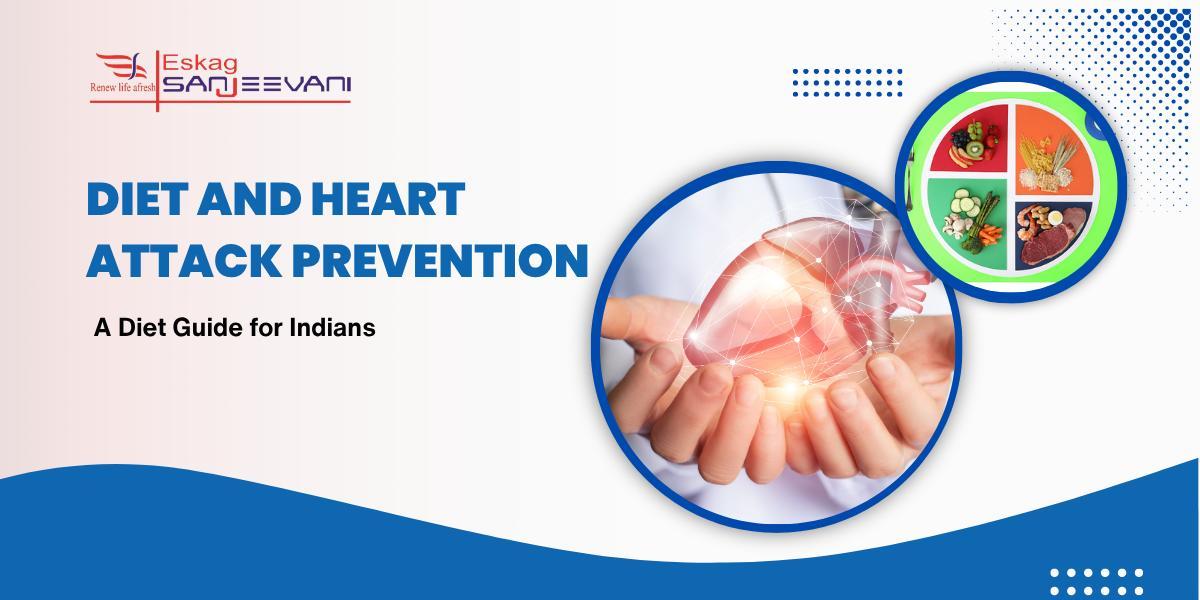
How Diet Triggers or Prevents a Heart Attack: Understanding the Science?
The food you eat affects much more than your weight. It influences cholesterol levels, blood pressure, inflammation, and even the health of your blood vessels. Over time, unhealthy eating habits can damage arteries and increase the risk of a heart attack.
On the other hand, a balanced, heart-healthy diet can help protect your cardiovascular system and lower your long-term risk.
1. What Does Atherosclerosis Mean?
Atherosclerosis occurs when cholesterol, fats, and other substances build up inside the arteries, forming plaques. These plaques narrow blood vessels and restrict blood flow to the heart. If a plaque becomes unstable and ruptures, it can trigger a blood clot that blocks an artery, causing a heart attack.
2. The Inflammation Connection
Chronic inflammation is a major contributor to heart disease. Biomarkers such as hsCRP and oxidised LDL (low-density lipoprotein) are linked to increased cardiovascular risk. Diets high in processed foods and added sugars can increase inflammation, while nutrient-rich foods may help reduce it.
3. Gut Microbiome and TMAO: The Emerging Risk Factor
Certain gut bacteria convert compounds from red meat and some animal products into TMAO (trimethylamine N-oxide), a substance associated with plaque buildup and cardiovascular events. Diet and heart disease are directly connected. A diet rich in fibre, fruits, vegetables, and whole grains can support a healthier gut microbiome and better heart health. [3]
Also read: What Recent Research Found About Heart Health in India?
The Hidden Culprits: Ultra-Processed Foods and Refined Carbohydrates
Many foods that are a regular part of modern diets may seem harmless but can, in reality, increase the risk of heart attack over time. Ultra-processed foods and refined carbohydrates often contain excess sugar, unhealthy fats, and sodium, and have extremely little nutritional value. Frequent consumption of these can contribute to weight gain, inflammation, poor metabolic health, and an increased risk of cardiovascular problems. As Indians, it is necessary to focus on a diet that suits us best. There are certain food items that increase the risk of a heart attack.
India-Specific Dietary Risks:
- Excessive consumption of white rice can lead to frequent blood sugar spikes.
- Maida-based foods such as white bread, parathas and puris, biscuits, cakes, and bakery products are low in fibre and nutrients.
- Packaged namkeen and other edibles are often high in sodium, unhealthy fats, and preservatives.
- Instant noodles typically contain refined flour and excessive salt.
- Sugary beverages, including soft drinks and packaged juices, add large amounts of sugar with little nutritional benefit.
- Store-bought sweets often contain refined sugar, unhealthy fats, and excess calories.
| Smart Indian Food Swaps | |
| Instead Of | Choose |
| White rice | Brown rice, daliya |
| Maida roti | Multigrain atta roti |
| Fried snacks | Roasted chana, nuts |
| Sugary drinks | Buttermilk, lemon water |
| Packaged desserts | Fresh fruit |
Why Do These Foods Increase Cardiac Risk?
These food items cause rapid rises in blood sugar levels, increasing insulin demand. These also promote the accumulation of visceral fat around internal organs. This contributes to insulin resistance and metabolic dysfunction and increases inflammation and oxidative stress within blood vessels.
- The risk of obesity
- type 2 diabetes
- high cholesterol
- heart disease
What to Eat: Maintain a heart-healthy diet
Preventing heart disease is extremely important for everyone. At times, cravings hit us hard, and we forget to pay attention to what we consume. But to stay fit and lead a healthy life, it becomes mandatory to eat what is right for us. Here is a list of a diet for heart attack patients:
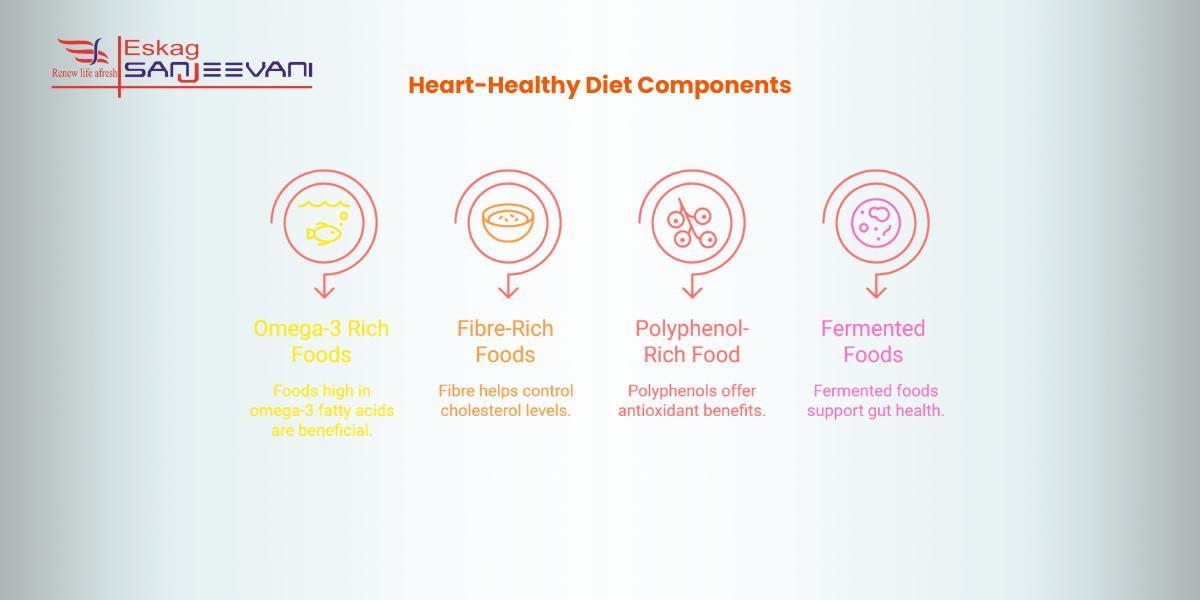
1. Omega-3 Rich Foods
Help reduce inflammation, lower triglyceride levels, and support overall heart function after a heart attack. Fatty fish (hilsa, rohu/rui, mackerel), flaxseeds, and walnuts are foods rich in Omega-3. Regular intake of these foods may also help improve blood vessel health and reduce the risk of future cardiovascular complications. Including them in your weekly diet can support long-term heart recovery.
2. Fibre-Rich Foods for Cholesterol Control
Soluble fibre helps lower LDL (bad) cholesterol and supports healthier blood vessels. Whole dals, moong, chickpeas, oats, fruits, and vegetables are some foods rich in fibre. [2] Fibre also promotes better digestion and helps maintain healthy blood sugar levels, which is important for overall cardiovascular health. Try to include a variety of fibre-rich foods in your daily meals.
3. Polyphenol-Rich Foods
These food items contain powerful antioxidants that help protect arteries from oxidative damage and inflammation. You can eat berries, dark leafy greens, tomatoes, and turmeric. [2] These may also support better blood circulation and help slow the progression of atherosclerosis. Thus, adding a variety of fruits and vegetables to your diet is an easy way to increase polyphenol intake.
4. Fermented Foods for Gut Health
Eating fermented foods supports a healthy gut microbiome, which may contribute to better cardiovascular health and reduced inflammation. Dahi and other homemade fermented foods are extremely good for overall health.
Meal Timing Matters: What You Must Know
Heart health is influenced not only by what you eat but also by when you eat. Recent research suggests that meal timing can affect blood sugar control, metabolism, and cardiovascular risk. Maintaining a regular eating time may be an important yet often overlooked factor in a heart-healthy diet.
Why Late-Night Eating Is Problematic
Eating late at night can lead to higher blood sugar and triglyceride levels because digestion and nutrient absorption are slower and less efficient in the evening. Late-night meals may also disrupt the body’s natural circadian rhythm, which regulates metabolism, hormone production, and cardiovascular function. Over time, these changes may contribute to an increased risk of heart disease.
The Risk of Skipping Breakfast
Regularly skipping breakfast leads to poor heart health and includes a higher risk of obesity, type 2 diabetes, and cardiovascular disease. Missing the first meal of the day can also disrupt the regulation of hunger hormones, making a person more likely to overeat or eat unhealthy foods later in the day.
Time-Restricted Eating: The Right Dietary Practice
This diet involves eating all meals within a 10-12 hour window each day. Studies have shown that this can help manage diabetes, lower blood pressure, and improve metabolism.
For better heart health, it is important not to skip breakfast and to avoid long gaps between meals. Maintaining regular meal timings each day can help support healthy metabolic function. Make sure to finish dinner before 8 PM to allow the body to digest food before sleep.
When To Seek Professional Cardiac Care?
While a healthy diet and lifestyle can help reduce the risk of heart disease, they cannot replace professional medical care when needed. You should consult a cardiologist if you experience symptoms such as persistent chest pain, shortness of breath, palpitations, unexplained fatigue, dizziness, or leg swelling.
Regular cardiac check-ups are also important for individuals with risk factors such as high blood pressure, diabetes, high cholesterol, obesity, smoking, or a family history of heart disease. Choose experts who will guide you throughout your medical journey. Early diagnosis and timely treatment can help prevent serious complications and improve long-term heart health outcomes. From cardiac doctors to the best nutritionists in Kolkata, Eskag Sanjeevani has medical experts who will help you recover faster.
Wrapping Up
A heart-healthy diet is one of the most effective tools for reducing the risk of heart disease, but it works best when combined with regular health monitoring and timely medical care. Routine cardiac screenings can help detect risk factors such as high blood pressure, high cholesterol, and diabetes before they lead to serious complications. By pairing healthy dietary habits with professional medical assessment, you can take a proactive approach to protecting your heart. If you have multiple cardiac risk factors or a family history of heart disease, consider scheduling a preventive cardiac consultation with Eskag Sanjeevani’s cardiology team for personalised guidance and long-term heart health support.

Microbiologist with over 2 years of experience in medical writing, specialising in evidence-based healthcare content.

Clinical experience in diagnosis, treatment, and evidence-based patient care across a range of conditions.
References
- Gaziano, Thomas A., et al. “Growing Epidemic of Coronary Heart Disease in Low- and Middle-Income Countries.” Current Problems in Cardiology, vol. 35, no. 2, Feb. 2010, pp. 72–115.
- World Health Organisation. “Healthy Diet.” World Health Organization, 2021,
- Diab, Alaa, et al. “A Heart-Healthy Diet for Cardiovascular Disease Prevention: Where Are We Now?” Vascular Health and Risk Management, vol. 19, no. 19, 21 Apr. 2023, pp. 237–253.
Some heart-healthy foods include fruits, vegetables, whole grains, legumes, nuts, seeds, fatty fish, and healthy oils. Eating these foods will keep your heart healthy.
Eat a healthy diet, stay active, maintain a healthy weight, avoid smoking, manage stress, and keep blood pressure and cholesterol under control. Try to exercise and be physically active daily.
A healthy diet helps lower cholesterol, blood pressure, inflammation, and blood sugar levels, reducing the risk of heart disease.
Common signs include chest pain, shortness of breath, irregular heartbeat, unusual fatigue, and dizziness.
Consult a cardiologist if you have heart-related symptoms or risk factors such as high blood pressure, diabetes, high cholesterol, or a family history of heart disease. Make sure to consult a cardiologist as soon as possible.