

 Medically Reviewed
Type 2 Diabetes in Children: Why More Indian Kids Are Developing It Early
A national survey reported that the prevalence of diabetes and prediabetes in India stands at 11.4% and 15.3%, respectively, with more than 74 million people currently living with diabetes in the country [2]. For many years, doctors considered diabetes a health condition that mainly affected adults. However, they have noticed a growing number of Indian children developing type 2 diabetes at a much younger age, sometimes even before reaching puberty.
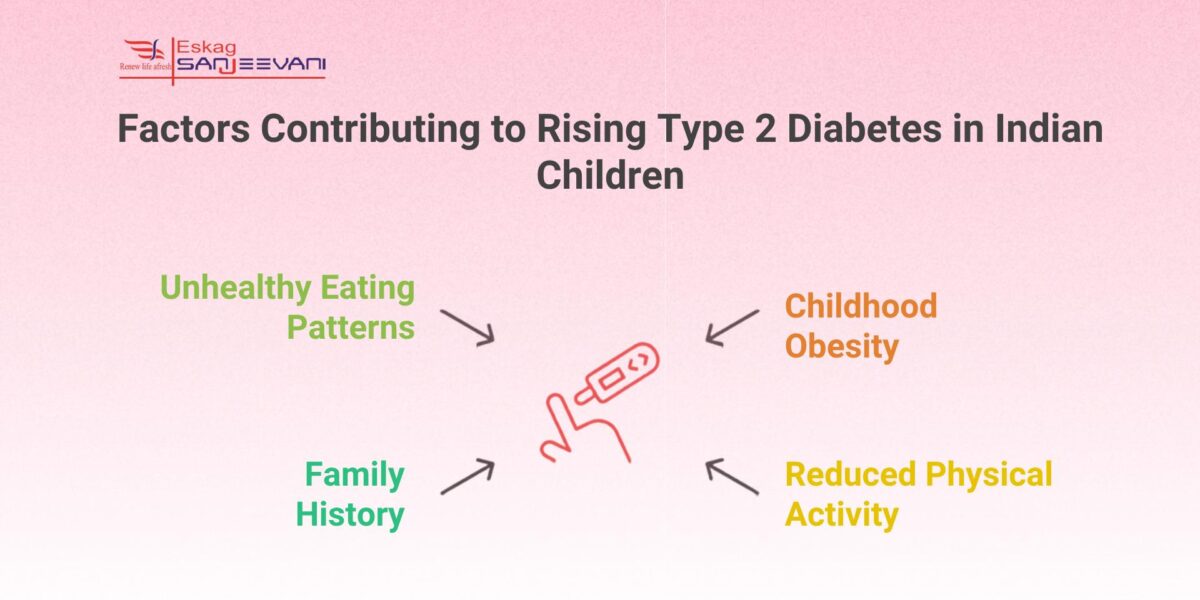
This increase is closely linked to changes in lifestyle, higher rates of childhood obesity, reduced physical activity, and unhealthy eating habits. Since early diabetes can affect a child’s growth and increase the risk of future health problems, recognising the warning signs and taking timely action has become more important than ever.
Key Takeaways
- Type 2 diabetes in children is increasing in India due to factors such as excess body weight, less physical activity, and changes in dietary habits.
- The symptoms of type 2 diabetes in children can develop slowly, which means many cases may remain unnoticed for a long time without regular health checks.
- A healthy lifestyle, including balanced eating, regular exercise, and early detection, plays an important role in preventing childhood diabetes and managing the condition.
Quick Answer: Type 2 diabetes in Indian children is rising due to obesity, unhealthy eating, and low physical activity, making early prevention essential.
- Why Are More Indian Children Getting Type 2 Diabetes Before Puberty?
- Understanding Type 2 Diabetes in Children
- Why Is Type 2 Diabetes Rising Among Indian Children?
- Symptoms of Type 2 Diabetes in Children That Parents Should Not Ignore
- Major Type 2 Diabetes Causes in Children
- Can Children Recover from Type 2 Diabetes? Can Children Recover from Type 2 Diabetes?
- How Can Parents Help Prevent Childhood Diabetes?
- When Should You Consult a Diabetes Specialist?

Why Are More Indian Children Getting Type 2 Diabetes Before Puberty?
Childhood obesity, unhealthy eating habits, long hours indoors, and lack of regular physical activity are driving the rise of type 2 diabetes among Indian children. Children with a family history of diabetes or who have excess body weight are at a higher risk of developing the condition.
Studies show that type 2 diabetes, which was uncommon in younger age groups, is now extremely common in children and adolescents due to the global rise in obesity and lifestyle changes [2].
Understanding Type 2 Diabetes in Children
Our body needs insulin to help convert sugar from food into energy. In type 2 diabetes, this process does not work properly, which causes blood sugar levels to increase. As our body becomes resistant to insulin, the pancreas has to produce more insulin to keep up with the body’s needs. Over time, it may not be able to keep up with the body’s needs, causing blood sugar levels to rise [1].
Although it was once mostly seen in adults, doctors are now diagnosing childhood diabetes more frequently, especially among children who have risk factors such as obesity and a family history of the disease.
Why Is Type 2 Diabetes Rising Among Indian Children?
No single factor causes the increase in childhood diabetes in India. Lifestyle habits, environmental factors, and genetic factors are contributing to this growing concern.
Increasing Childhood Obesity
Children who have excess body fat, especially around the abdomen, are more likely to develop insulin resistance. The increasing availability of processed foods and sugary drinks has contributed to a rise in childhood obesity, which is one of the strongest risk factors for type 2 diabetes [2].
Reduced Physical Activity
Many children today spend long hours sitting indoors, whether studying, using smartphones, watching television, or playing video games. Reduced movement means the body uses less energy, which can contribute to weight gain and problems with blood sugar control. Less movement means the body uses less energy, which may lead to weight gain and other problems with blood sugar control [1].
Family History and Genetic Risk
A child with parents or other family members who have type 2 diabetes may have a higher chance of developing this health issue. A family history of diabetes can increase a child’s chances of developing the condition, as inherited traits may affect how the body handles insulin.
Unhealthy Eating Patterns
Children who often consume junk food, sugary drinks, and highly processed snacks may be more likely to gain excess weight and develop metabolic concerns.
In urban India, increased access to packaged snacks, fast foods, and sugar-sweetened beverages has become an important lifestyle factor associated with the rising burden of childhood obesity and diabetes [2].
Symptoms of Type 2 Diabetes in Children That Parents Should Not Ignore
The symptoms of type 2 diabetes in children often develop slowly, making them difficult to identify in the early stages. Parents should pay attention to changes in their child’s health and behaviour.
Some common signs include:
- Increased thirst and frequent urination, including waking up multiple times at night to use the bathroom. These occur because the body tries to remove excess sugar from the blood through urine.
- Increased hunger despite eating regular meals, as the body cannot use glucose properly for energy, and the child may continue to feel tired or hungry.
- Unexplained weight loss or persistent fatigue that affects school performance, concentration, or participation in everyday activities.
- Dark, thick, and velvety patches of skin, particularly around the neck or underarms, which can be a sign of insulin resistance.
- Some children may experience blurred vision or notice that small cuts and injuries take longer to heal due to high blood sugar.
Major Causes of Type 2 Diabetes in Children
Several lifestyle, genetic, and physical factors may contribute to the development of childhood diabetes. The table below highlights common risk factors and explains how they affect a child’s risk of diabetes.
| Risk Factor
|
How It Contributes |
| Excess body weight | Extra body fat can make the body’s cells less responsive to insulin, leading to insulin resistance. |
| Family history of diabetes | Children with diabetic parents or relatives may have a higher genetic risk. |
| Lack of physical activity | Less movement reduces energy use and may increase weight gain and insulin resistance. |
| Unhealthy dietary habits | Frequent intake of processed and high-sugar foods can contribute to obesity and metabolic problems. |
| Hormonal changes during growth | Changes in hormone levels during childhood and adolescence can influence insulin sensitivity. |
Can Children Recover from Type 2 Diabetes?
One of the most common questions parents ask is, can type 2 diabetes be cured?
At present, there is no permanent cure for type 2 diabetes. However, many children can successfully manage their blood sugar levels through healthy eating, regular exercise, maintaining a healthy weight, and medicines when required.
With timely diagnosis, the right treatment, and healthy lifestyle changes, children with type 2 diabetes can continue to grow and enjoy an active life [1].
How Can Parents Help Prevent Childhood Diabetes?
Not every child can completely avoid the risk of diabetes, but healthy eating, regular physical activity, and good daily habits can make a significant difference.
Parents can help by:
- Parents must encourage children to eat meals that include fruits, vegetables, whole grains, and healthy protein sources.
- Ensuring children engage in regular physical activities such as outdoor games, cycling, walking, or sports, because daily movement improves overall metabolism.
- Reducing unnecessary screen time and promoting active hobbies that keep children physically engaged and improve their overall health.
- Monitoring their child’s growth and body weight regularly, especially when there is a strong family history of diabetes.
- Scheduling medical check-ups when symptoms appear or when a child has multiple risk factors for developing diabetes.
When Should You Consult a Diabetes Specialist?
Children who are overweight or have a strong family history of diabetes may also benefit from regular screening and expert guidance.
Parents should immediately seek medical advice if a child experiences frequent thirst, increased urination, unexplained tiredness, unexpected weight changes, or dark patches on the skin. Consulting the best diabetes doctor in Kolkata can help with early diagnosis, personalised treatment plans, and long-term management of childhood diabetes. Eskag Sanjeevani is one of the best hospitals in Kolkata for endocrinology & diabetology.
Conclusion
Children suffering from type 2 diabetes are a serious health concern in India. Changing lifestyles, increasing childhood obesity, and reduced physical activity are major reasons why children are developing the condition at a younger age.
Eskag Sanjeevani is always there to help you recognise and recover from the disease. Encouraging healthy routines and seeking medical advice at the right time can help children stay healthier and reduce the risk of future complications.

Microbiologist with over 2 years of experience in medical writing, specialising in evidence-based healthcare content.

Clinical experience in diagnosis, treatment, and evidence-based patient care across a range of conditions.
References
- Mayo Clinic. “Type 2 Diabetes in Children – Symptoms and Causes.” Mayo Clinic, 2022,
- Arun Nanditha, et al. “The Rising Prevalence of Type 2 Diabetes among the Youth in Southern India—an Ancillary Analysis of the Secular TRends in DiabEtes in India (STRiDE‐I) Study.” Journal of Diabetes, vol. 16, no. 7, 26 June 2024.
Children who are overweight, physically inactive, or regularly consume unhealthy foods may have a greater chance of developing type 2 diabetes, especially if it runs in their family.
Some children with type 2 diabetes may show signs like excessive thirst, frequent trips to the bathroom, feeling tired all the time, unexplained weight changes, or dark, velvety skin patches around the neck or underarms.
Although type 2 diabetes cannot be completely cured, it can be well controlled through a balanced diet, physical activity, routine blood sugar monitoring, and medical care.
Yes, fluctuations in blood sugar levels can affect a child’s mood, concentration, and energy. Some children may become irritable, tired, or find it difficult to focus. However, behavioural changes can have many causes, so it is important to consult a doctor if these changes are frequent or concerning.
Children with type 2 diabetes should avoid foods such as sugary drinks, sweets, packaged snacks, and fried foods. A balanced diet with fruits, vegetables, whole grains, and healthy sources of protein can help support better blood sugar control.