

 Medically Reviewed
LDL and HDL Testing: Understand Cholesterol and Heart Risk
High cholesterol usually does not cause noticeable symptoms. You can feel completely well while having elevated LDL cholesterol or other lipid-related risk factors. A lipid profile, also called a lipid panel, is a blood test that measures cholesterol and triglycerides. The results can help your healthcare professional assess cardiovascular risk alongside other factors such as age, blood pressure, diabetes, smoking, family history, and previous cardiovascular disease. But don’t interpret cholesterol numbers in isolation. No single LDL or HDL value represents the ideal target for every adult.
This guide explains what a lipid profile measures and how LDL and HDL relate to cardiovascular health. Learn about lifestyle changes that may help, and when to consider cholesterol-lowering medication.
Quick Thoughts
- A lipid profile commonly measures total cholesterol, LDL cholesterol, HDL cholesterol, and triglycerides.
- LDL treatment goals depend on overall cardiovascular risk; higher-risk individuals generally have lower LDL targets.
- HDL is associated with cardiovascular risk, but simply increasing HDL with a medicine or supplement has not been established as a way to reduce cardiovascular events.
- Healthy eating, physical activity, weight management where appropriate, and avoiding tobacco can support cardiovascular health and improve some lipid measurements.
Quick answer: A lipid profile measures LDL, HDL, triglycerides and total cholesterol to help assess your overall cardiovascular risk.
Quick Links
- What Is a Lipid Profile?
- Understanding LDL and HDL: The Good vs. Bad Cholesterol
- Are LDL and HDL Targets the Same for Everyone?
- How to Reduce Bad Cholesterol: Evidence-Based Strategies
- How to Increase HDL Cholesterol: Boosting Your Good Cholesterol
- When Lifestyle Changes Aren't Enough: Cholesterol Medications
What Is a Lipid Profile?
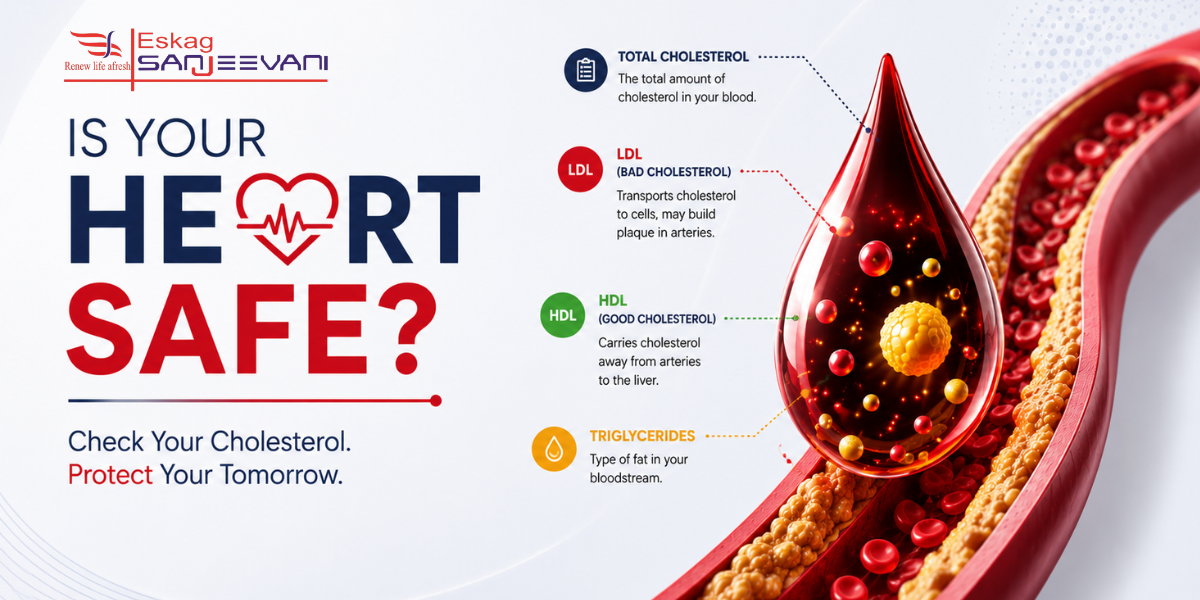
A lipid profile is a blood test that commonly measures the following parameters:
| Test | What It Tells You |
| Total Cholesterol | The amount of cholesterol measured across several lipoprotein particles |
| LDL Cholesterol | A major atherogenic lipoprotein associated with plaque formation and cardiovascular risk |
| HDL CHolesterol | A lipoprotein involved in cholesterol transport; its level is associated with cardiovascular risk |
| Triglycerides | Blood fats that can contribute to cardiovascular risk when elevated |
Interpret the results together with your broader health profile.
For example, the same LDL value may mean different things for two people, depending on their conditions. Conditions such as diabetes, previous cardiovascular disease, high blood pressure, kidney disease, smoking exposure, or a strong family history have a greater impact.
Understanding LDL and HDL: The Good vs. Bad Cholesterol
LDL and HDL are often called “bad” and “good” cholesterol, respectively. These labels are convenient for basic education but can oversimplify how lipoproteins work.
LDL Cholesterol
LDL particles carry cholesterol through the bloodstream. More exposure to atherogenic lipoproteins contributes to atherosclerotic plaque development and increases cardiovascular risk. Reducing LDL cholesterol can reduce cardiovascular events, particularly in people at elevated risk.
HDL Cholesterol
HDL participates in cholesterol transport and other biological processes. However, a higher HDL number should not automatically be interpreted as greater protection. Although higher HDL levels are associated with lower cardiovascular risk in many observational studies, clinical trials have not established that simply raising HDL reduces cardiovascular events. Therefore, HDL is not generally treated as an independent number that everyone should try to increase.
Are LDL and HDL Targets the Same for Everyone?
Technically not. The 2026 ACC/AHA guideline has returned to explicit LDL-C and non-HDL-C treatment goals, with lower targets for people at higher cardiovascular risk [2].
For example, the guideline recommends an LDL-C goal of less than 55 mg/dL for people at very high risk with established ASCVD. Other patients may have different goals depending on their risk category.
Therefore, values such as LDL below 100 mg/dL or HDL above 40-50 mg/dL should not be presented as universal “normal” targets for every adult. Your healthcare professional may consider the following parameters while interpreting your test results:
- Age
- Blood pressure
- Diabetes
- Smoking
- Kidney disease
- Family history
- Previous heart attack or stroke
- Existing atherosclerotic cardiovascular disease
- LDL and triglyceride levels
- Other risk-enhancing factors
The appropriate target is therefore patient-specific.
How Can You Support Healthy Cholesterol Levels?
Lifestyle changes remain an important part of cardiovascular risk management.
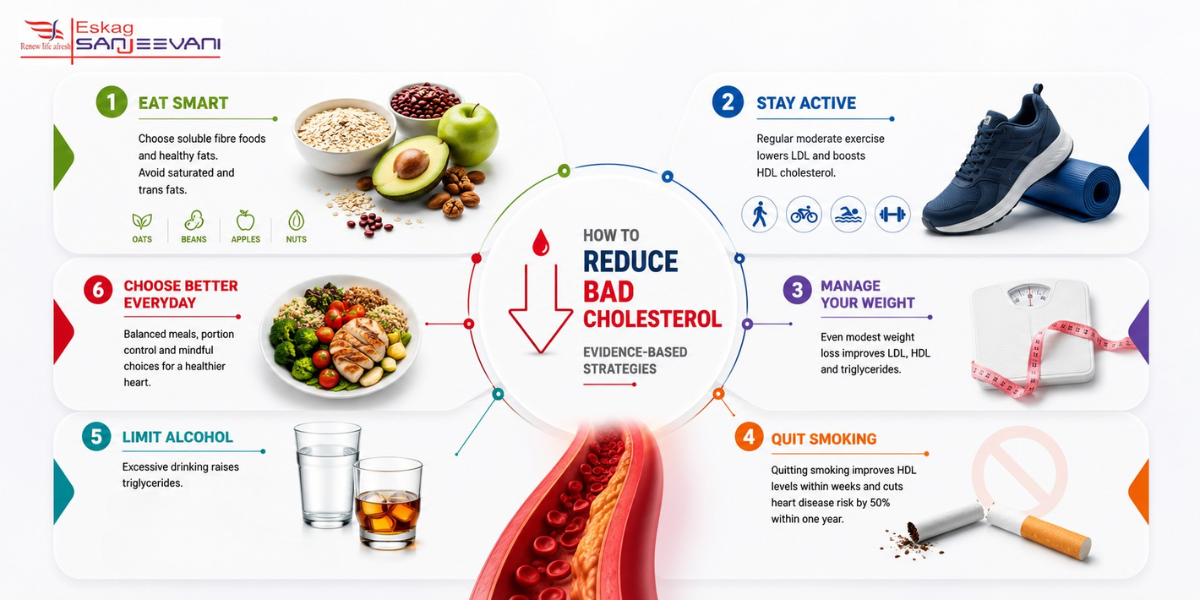
Step 1: Improve the Overall Quality of Your Diet
Rather than focusing on one “cholesterol-lowering food”, build a balanced dietary pattern that includes:
- Vegetables
- Whole fruits
- Pulses and legumes
- Whole grains
- Nuts and seeds
- Fish or other suitable protein sources
- Unsaturated fats in appropriate amounts
Foods containing soluble fibre, including oats, barley, beans, and some fruits, can contribute to a heart-healthy eating pattern. Replacing foods high in saturated fat with sources of unsaturated fat can also help improve the lipid profile.
Also read: Your Heart Health Matters: The Critical Role of Regular Cardiac Checkups
Step 2: Be Physically Active
Regular physical activity supports cardiovascular health and can improve several metabolic risk factors.
Depending on your health and fitness level, suitable activities may include the following:
- Brisk walking
- Cycling
- Swimming
- Dancing
- Strength training
- Other activities that you can maintain consistently
Exercise can affect LDL, triglycerides, HDL, blood pressure, body composition, and overall cardiovascular fitness, but responses vary by individual.
Step 3: Manage Weight When Appropriate
For people with overweight or obesity, gradual and sustainable weight management may improve several cardiovascular and metabolic risk factors. Responses aren’t identical for everyone, so focus on sustainable habits rather than a promised percentage improvement in cholesterol. A healthcare professional or dietitian can help you choose an appropriate approach.
Step 4: Avoid Tobacco
Smoking is an important cardiovascular risk factor independent of cholesterol. Stopping smoking can reduce cardiovascular risk over time. Rather than focusing only on whether HDL changes after quitting, the more important benefit is the overall reduction in cardiovascular risk associated with tobacco.
How to Increase HDL Cholesterol: Boosting Your Good Cholesterol
Raising HDL cholesterol requires consistent lifestyle modifications, including regular aerobic exercise, healthy fat intake, weight management, and tobacco cessation.
- A meta-analysis of 19 randomised controlled trials demonstrates that aerobic exercise increases HDL2 cholesterol by approximately 11% in adults [1]. Exercise for 150 minutes weekly at moderate intensity, or 75 minutes at vigorous intensity, to achieve measurable improvements in HDL within 12-16 weeks.
- Research shows omega-3 supplementation (1,800 mg daily EPA and DHA) increases large protective HDL particles by 28.7% while reducing small HDL particles [3]. Include salmon, mackerel, sardines, or fish oil supplements providing 1-2 grams of omega-3 fatty acids daily.
- Even small weight reductions significantly raise HDL levels while simultaneously lowering harmful LDL cholesterol and triglycerides. Focus on sustainable dietary changes rather than extreme restrictions to improve long-term HDL levels.
- Replace saturated fats with olive oil, avocados, nuts, and seeds containing heart-healthy fats that raise HDL cholesterol. Limit alcohol consumption to moderate levels; excessive drinking provides no cardiovascular protection despite claims about HDL benefits.
When Lifestyle Changes Aren’t Enough: Cholesterol Medications
Cholesterol-lowering medications are necessary when lifestyle modifications fail to achieve target levels after 3-6 months, or when patients present with very high cholesterol, existing cardiovascular disease, diabetes, or a strong family history, all of which require immediate pharmaceutical intervention.
- Statins represent first-line therapy, lowering LDL by 30-50% through inhibiting liver cholesterol production [4]. Patients require periodic blood tests to monitor liver function and muscle enzyme levels to detect potential complications during treatment.
- Cholesterol-absorption inhibitors block intestinal uptake, thereby reducing LDL by an additional 15-25% when combined with statins [5]. Minimal side effects make them suitable for elderly patients or those requiring gentler medication interventions.
- Fibrates primarily lower triglycerides by 30-50% while modestly raising HDL, and are prescribed when triglycerides exceed 500 mg/dL. Kidney function monitoring essential as fibrates accumulate in renal impairment, causing muscle toxicity and complications.
- Bile acid sequestrants and niacin serve as adjunct therapies when patients cannot tolerate primary medications. Niacin prescriptions have declined due to disappointing cardiovascular outcome trials, despite previously observed impressive HDL-raising effects.
Final Thoughts
Taking control of your cholesterol starts today with scheduling a lipid profile test if you haven’t been screened within the past year or have risk factors. Small, consistent changes in diet, physical activity, and lifestyle habits yield measurable improvements in cholesterol within 6-12 weeks of implementation. Don’t wait for alarming test results to motivate action; preventive screening and early intervention can prevent irreversible cardiovascular damage that would otherwise require intensive medical treatment.
Work collaboratively with your healthcare team, including primary care physicians, cardiologists, and dietitians, to develop personalised cholesterol management plans addressing your specific needs. Eskag Sanjeevani Hospitals provide comprehensive cardiovascular care, including convenient lipid profile testing, advanced cardiac diagnostics, and experienced cardiologists, ensuring you receive evidence-based treatment that protects your heart health for years to come.

Microbiologist with over 2 years of experience in medical writing, specialising in evidence-based healthcare content.

Clinical experience in diagnosis, treatment, and evidence-based patient care across a range of conditions.
References
- Pappan, N., Rehman, A. and Awosika, A.O. (2024). Dyslipidemia. [online] PubMed.
- Zahid, A. and Garg, A. (2026). The return of “goals” in the 2026 ACC/AHA/multisociety guideline on the management of Dyslipidemia. Journal of Clinical Lipidology. [online] doi:10.1016/j.jacl.2026.06.006.
- Cartolano FC, Dias GD, Miyamoto S, Damasceno NRT. Omega-3 Fatty Acids Improve Functionality of High-Density Lipoprotein in Individuals With High Cardiovascular Risk: A Randomized, Parallel, Controlled and Double-Blind Clinical Trial. Front Nutr. 2022 Feb 23;8:767535. doi: 10.3389/fnut.2021.767535.
- Ridker PM, Mora S, Rose L; JUPITER Trial Study Group. Percent reduction in LDL cholesterol following high-intensity statin therapy: potential implications for guidelines and for the prescription of emerging lipid-lowering agents. Eur Heart J. 2016 May 1;37(17):1373-9. doi: 10.1093/eurheartj/ehw046. Epub 2016 Feb 24.
- Genest J. Combination of statin and ezetimibe for the treatment of dyslipidemias and the prevention of coronary artery disease. Can J Cardiol. 2006 Aug;22(10):863-8. doi: 10.1016/s0828-282x(06)70305-1.
Adults under 40 with normal levels should test every 4-5 years, while those over 40 need annual screening. Individuals with diabetes, a family history of heart disease, or obesity require more frequent monitoring every 3-6 months.
Fasting for 9-12 hours is recommended for accurate triglyceride measurement, though recent guidelines allow non-fasting tests for basic screening. Water consumption is permitted during fasting; avoid all food, beverages, and smoking before the test.
Total cholesterol represents the sum of all cholesterol types in your blood, while LDL specifically measures bad cholesterol that builds plaque in arteries. LDL levels matter more for cardiovascular risk assessment than total cholesterol alone.
Lifestyle modifications, including diet changes, regular exercise, and weight loss, can reduce LDL cholesterol by 20-25% in many individuals. However, very high cholesterol (LDL >190 mg/dL), genetic conditions, or existing heart disease typically require medication alongside lifestyle changes.
Genetics, smoking, obesity, diabetes, and certain medications can lower HDL despite regular exercise, requiring additional interventions beyond physical activity. Increase omega-3 intake, quit smoking, achieve a healthy weight, and limit refined carbohydrates to effectively raise HDL levels.