
 Medically Reviewed
Bronchoscopy Explained: Before, During and After the Test
Persistent cough, unexplained breathing difficulties, recurrent chest infections, or abnormal findings on a chest scan often require a closer look inside the airways and lungs. A bronchoscopy test is a very common diagnostic procedure that allows doctors to examine the respiratory tract using a thin, flexible tube called a bronchoscope.
The test helps identify infections, inflammation, airway blockages, and even early signs of lung cancer. While the idea of undergoing a bronchoscopy may seem intimidating, it is generally a safe and well-tolerated procedure performed by an experienced pulmonologist.
Key Takeaways:
- A bronchoscopy test allows doctors to examine the airways and lungs, helping diagnose conditions such as infections, persistent cough, airway blockages, and even lung cancer.
- The bronchoscopy procedure is generally safe and minimally invasive, with most patients experiencing only mild, temporary side effects and returning home the same day.
- Knowing what to expect before, during, and after the test can ease anxiety and help patients prepare for a smoother experience and recovery.
Quick Answer: A bronchoscopy test helps diagnose and treat lung conditions by examining the airways through a minimally invasive procedure.
The Purpose: Why the Test is Needed
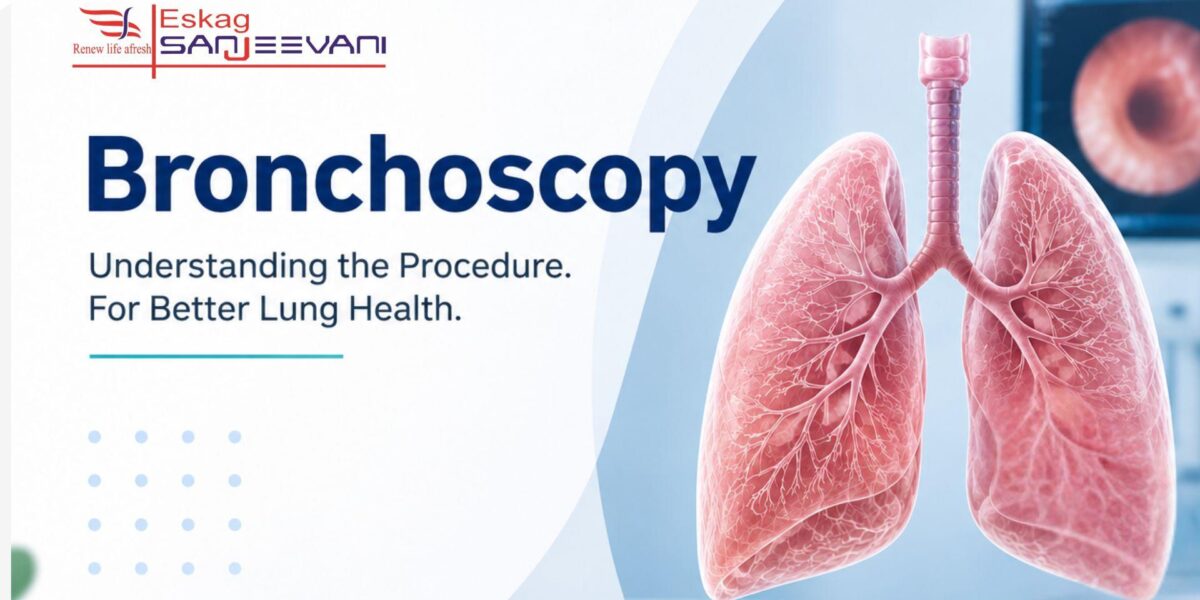
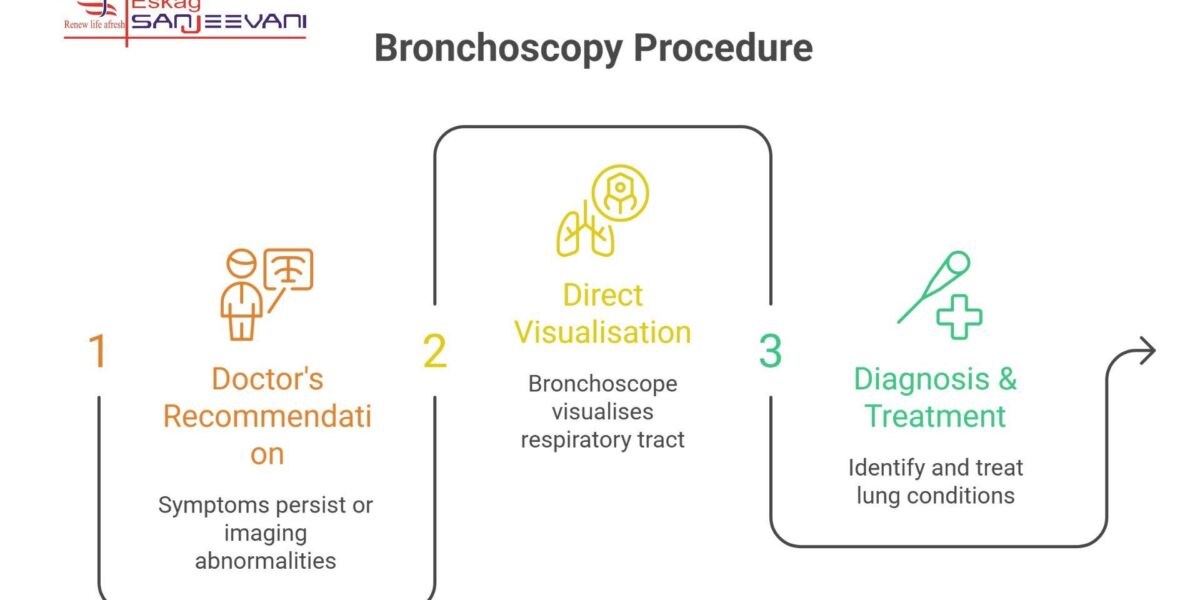
Understanding what happens before, during, and after the test can help reduce anxiety and ensure a smoother experience. The main purpose of a bronchoscopy is to help doctors diagnose and sometimes treat conditions affecting the lungs and airways. Unlike imaging tests that provide external views, bronchoscopy allows direct visualisation of the respiratory tract.
Your doctor may recommend the test if symptoms persist despite treatment or if imaging studies reveal abnormalities that require further detailed investigation.
Conditions That May Require a Bronchoscopy Test
A bronchoscopy test may be advised for:
- Persistent cough lasting several weeks without a clear cause or repeated chest infections that keep returning despite treatment.
- Coughing up blood or blood-stained mucus, unexplained wheezing, or shortness of breath.
- Suspicious lung nodules or masses are seen on scans.
- Suspected lung infections requiring sample collection and detailed monitoring.
- Airway narrowing or obstruction affecting breathing.
Diagnostic and Therapeutic Uses
One of the advantages of a bronchoscopy procedure is that it can serve both diagnostic and treatment purposes.
| Diagnostic Uses | Treatment Uses |
| Collecting tissue samples (biopsy) | Removing mucus plugs |
| Identifying infections | Clearing airway obstructions |
| Investigating abnormal CT scan findings | Removing small foreign objects |
| Assessing airway inflammation | Managing certain types of airway bleeding |
Who Performs the Procedure?
A trained lung specialist or pulmonologist performs bronchoscopy. These specialists have expertise in diagnosing and managing respiratory conditions and are equipped to interpret findings accurately and plan further treatment when necessary.
How to Prepare and What To Expect?
Proper preparation helps ensure the procedure is safe, comfortable, and effective. This, in turn, will help you to recover faster.
Before the Procedure
Before scheduling the test, your doctor will review your medical history, symptoms, medications, and any previous imaging reports.
You may be asked to:
- Follow any fasting instructions provided by your doctor, as food or liquids may need to be avoided for several hours to ensure a safe and accurate procedure.
- Share your complete medical history with your healthcare team, including any allergies to medications, anaesthesia, or previous reactions to medical procedures.
- Review all current medications with your doctor beforehand, particularly blood thinners, diabetes medicines, or supplements that may require temporary adjustment.
- Plan your transportation in advance if sedation will be used, as you may feel drowsy afterwards and may not be able to drive safely.
- Choose loose-fitting, comfortable clothing and avoid restrictive garments to help make the preparation process smoother and more convenient on the day of the test.
In some cases, additional blood tests or imaging studies may be recommended before the procedure.
During the Procedure
Many patients wonder what actually happens during a bronchoscopy procedure.
- A local anaesthetic is applied to the throat and airways to minimise discomfort and suppress the cough reflex during the procedure.
- Sedation may be given depending on the clinical situation, helping patients remain relaxed while allowing the examination to be performed comfortably.
- The bronchoscope, a thin flexible tube equipped with a camera and light source, is carefully guided through the nose or mouth into the respiratory tract.
- As the scope advances, the specialist closely evaluates the airways for signs of inflammation, infection, narrowing, bleeding, or abnormal growths.
- Samples of tissue, fluid, or mucus may be collected for laboratory analysis to help identify infections, lung diseases, or other underlying conditions.
- If required, certain therapeutic procedures can be performed during the same session, such as removing blockages, controlling bleeding, or placing airway stents.
Patients usually remain comfortable throughout the procedure. Although you may feel pressure, mild coughing, or a sensation of movement in the throat, severe pain is uncommon. [2]
In most cases, people worry whether the procedure is painful; it is not. The combination of local anaesthesia and sedation significantly reduces discomfort, making the experience manageable for most patients.
After the Procedure
Following the test, you will be monitored in a recovery area until the effects of sedation begin to wear off.
- Healthcare professionals closely monitor breathing, heart rate, blood pressure, and oxygen levels to ensure a safe recovery following the procedure.
- Patients are usually advised to avoid eating or drinking until the effects of throat anaesthesia have completely worn off, reducing the risk of choking.
- Mild side effects such as a sore throat, hoarseness, cough, or slight throat irritation may occur but generally resolve within a short period.
- If sedation was administered, temporary drowsiness or reduced alertness is common, making rest and supervision important for the remainder of the day.
- Detailed discharge instructions are provided, including guidance on recovery, medication use, activity restrictions, and symptoms that require medical attention.
Depending on the reason for the procedure, some findings may be discussed immediately, while biopsy and laboratory results can take several days.
Bronchoscopy Side Effects: What’s Normal and What’s Not?
Most patients experience only mild, temporary side effects from bronchoscopy.
| Common Temporary Effects | When to Contact Your Doctor |
| Mild sore throat | Significant bleeding |
| Temporary hoarseness | Persistent fever |
| Mild cough | Severe chest pain |
| Slight fatigue from sedation | Difficulty breathing |
| Throat irritation | Worsening respiratory symptoms |
Serious complications are uncommon, especially when the procedure is performed by an experienced lung specialist in a well-equipped medical facility.
How Long Does The Procedure Take?
One of the most common concerns patients have is how much time they should set aside for the procedure and how long the recovery usually takes.
The Typical Procedure Duration
The actual bronchoscopy procedure usually takes between 30 and 80 minutes. However, the exact duration depends on several factors, including the reason for the test, whether biopsies or samples are collected, the complexity of the airway examination, and the need for additional therapeutic interventions. [1]
Recovery Timeline
Although the procedure itself is relatively short, patients should expect to spend additional time at the hospital for preparation and monitoring.
| Stage | Approximate Duration |
| Pre-procedure preparation | 30–60 minutes |
| Bronchoscopy procedure | 20–60 minutes |
| Recovery observation | 1–3 hours |
| Recovery from sedation | Usually within 24 hours |
Most patients can return home the same day. However, it is advisable to avoid driving, operating machinery, or making important decisions until the sedative effects have completely worn off.
Normal daily activities can often be resumed within a day, depending on the doctor’s advice and individual recovery.
Also read: Chronic Obstructive Pulmonary Disease (COPD): Risks & Care
Why is Eskag the Right Choice for Bronchoscopy?
Eskag Sanjeevani is a leading hospital in North Kolkata and offers the best respiratory services supported by experienced medical experts and modern diagnostic technology. Patients benefit from streamlined evaluation, testing, diagnosis, and treatment planning within a single healthcare network.
Every pulmonologist doctor at Eskag Sanjeevani follows evidence-based protocols and prioritises patient safety throughout the bronchoscopy journey. From consultation to recovery, patients receive attentive and personalised care.
Patient-Centric Approach
We understand the concerns of our patients and their family members. Thus, we are keen to provide what is best for our patients. The key advantages include:
- Detailed pre-procedure counselling and preparation guidance, and emphasis on patient comfort and safety.
- Advanced equipment for accurate airway assessment and a clean environment for hygiene matters.
- Coordinated care across multiple specialities and thorough evaluation and treatment planning.
Whether the goal is diagnosis, treatment, or ongoing respiratory management, Eskag Sanjeevani’s team strives to make the experience smooth and reassuring.
Wrapping Up
A bronchoscopy test is an important diagnostic and therapeutic tool that helps doctors evaluate conditions affecting the lungs and airways. While patients may initially feel apprehensive, the procedure is generally safe, minimally invasive, and well tolerated when performed by an experienced lung specialist.
Understanding the purpose of bronchoscopy, knowing what to expect before, during, and after the test, and being aware of possible side effects can help you approach the procedure with greater confidence. If you are experiencing persistent respiratory symptoms or have been advised to undergo further lung evaluation, consulting a qualified pulmonologist can help determine the most appropriate next steps for your health. Stop hesitating and book your appointment now!

Microbiologist with over 2 years of experience in medical writing, specialising in evidence-based healthcare content.
Clinical experience in diagnosis, treatment, and evidence-based patient care across a range of conditions.
References
- Cleveland Clinic (2024). Bronchoscopy: What It Is, How It’s Done, Results. [online] Cleveland Clinic. Available at:
- Mahmoud, N. and Kalanjeri, S. (2019). Bronchoscopy. [online] Nih.gov. Available at:
No. Most patients experience only mild discomfort because local anaesthesia and sedation help minimise pain during the procedure. Eskag Sanjeevani ensures a safe and comfortable journey for our patients.
A bronchoscopy procedure is generally very safe when performed by trained specialists in an appropriate medical setting and with the right equipment.
Avoid eating or drinking until throat numbness disappears and refrain from driving or operating machinery for the remainder of the day if sedation is used for the treatment.
It varies from patient to patient, but most people recover within a few hours, although complete recovery from sedation may take up to 24 hours.
You should consult a pulmonologist doctor if you have a persistent cough, breathing difficulties, recurrent chest infections, unexplained wheezing, or abnormal lung imaging results.