Best Neurosurgeons in Kolkata: Eskag Sanjeevani Hospitals
Why Eskag Sanjeevani is the Best Hospital for Neurosurgical Care
The brain and spinal cord govern every function in the human body, including movement, speech, memory, and sensation. Any surgical intervention on these structures demands precision, specialised tools, and a team with deep operative experience. The department of neurosurgery at Eskag Sanjeevani is built around exactly that, providing the highest levels of clinical care for complex cranial and spinal conditions.
Our advanced modular operation theatres in Baghbazar, Baranagar, and Khardah are equipped for the most demanding neurosurgical procedures. Minimal tissue disruption and maximal functional recovery remain the guiding principles of every operation performed here.
Meet Our Top Neurosurgeons in Kolkata
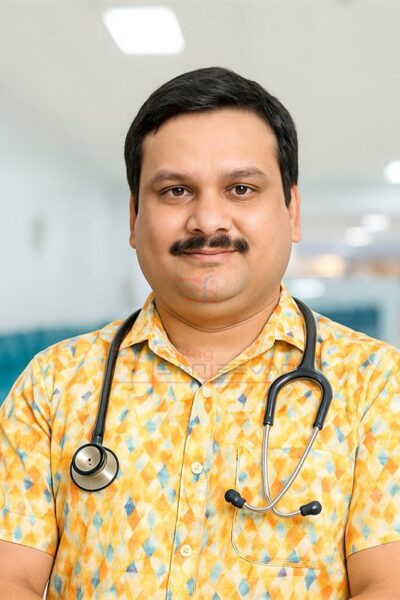
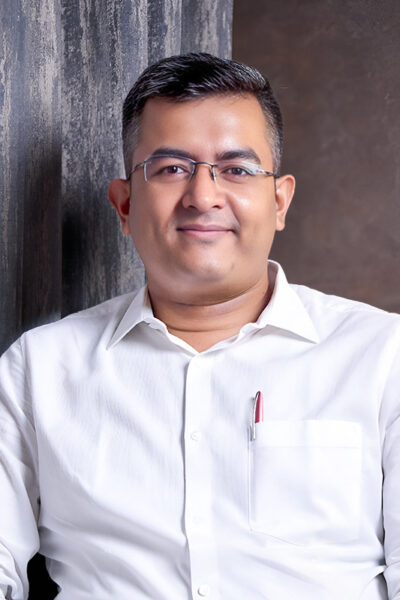
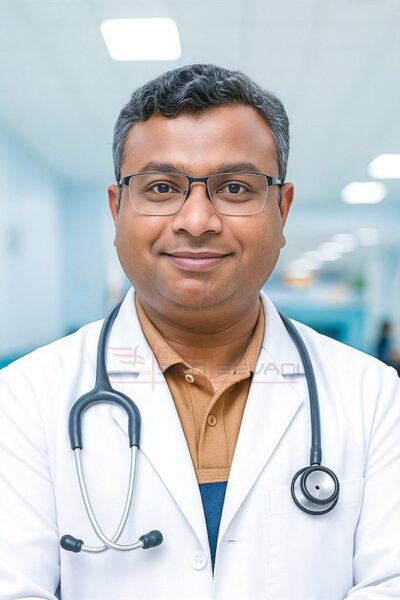
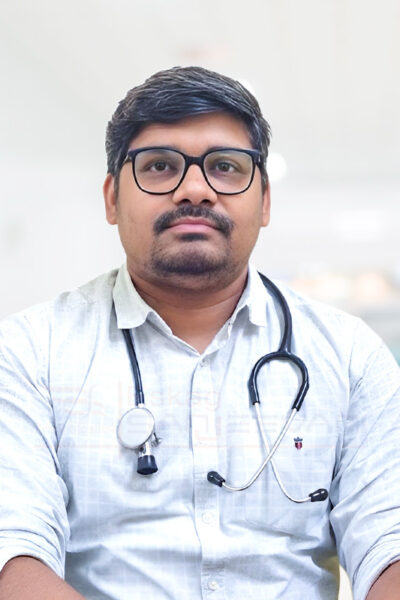
Our surgical faculty provides expertise for complex central nervous system disorders. Our highly skilled neurosurgeons execute operative plans. Additionally, patients receive focused clinical care from our doctors to ensure safe, complete neurological recoveries.
Specialised Treatments for Neurological Conditions
Surgical interventions on the brain and spinal cord require highly nuanced medical protocols. The clinical faculty routinely performs life-saving procedures with specialised navigation tools.
Neuro-Oncology: Excision of benign and malignant brain tumours. Surgeons perform brain surgery to remove growths while preserving critical cognitive and motor pathways.
Spinal Microdiscectomy: Advanced relief for severe disc herniations and spinal stenosis. Minimally invasive techniques remove bone spurs or disc fragments to free trapped nerve roots.
Cerebrovascular Repairs: Intricate correction of ruptured aneurysms and arteriovenous malformations. Surgical teams use advanced imaging guidance to locate and repair defective vessels while protecting surrounding brain tissue.
Trauma Stabilisation: Immediate surgical response to severe cranial fractures and acute epidural hematomas. Fast decompression techniques rapidly lower intracranial pressure.
Functional Interventions: Targeted treatments for severe trigeminal neuralgia and movement disorders. Microvascular decompression relieves chronic facial pain.
Advanced Neurological Diagnostics & Services
Accurate neurosurgical planning begins long before the operation. The diagnostic wing uses high-fidelity imaging and real-time monitoring technology to map delicate neural structures.
Functional MRI (fMRI): Our advanced 1.5 Tesla MRI scans map brain regions associated with language and motor control. Surgical teams use these detailed maps to avoid critical zones during tumour resections.
Intraoperative Neuromonitoring (IONM): Continuous electrical monitoring assesses nerve integrity during surgical procedures. The real-time feedback prevents accidental paralysis or sensory loss.
Digital Subtraction Angiography: High-contrast arterial maps pinpoint the exact location of microscopic vessel defects before a complex aneurysm clip placement.
When Should a Patient Seek a Neurosurgery Consult?
Intractable Spinal Pain: Severe back pain that radiates down the legs, especially with new bowel or bladder incontinence.
Severe Cranial Trauma: Any forceful blow to the head that causes prolonged unconsciousness, clear fluid leaks from the ears, or repeated episodes of sickness.
Atypical Headaches: Sudden, severe “thunderclap” headaches indicate elevated intracranial pressure or intracerebral haemorrhage.
Specialized Medical Care
Expert Care in Our Neuro Surgery Department
Our experienced specialists combine clinical expertise,
advanced diagnostics, and patient-centric care to ensure
accurate treatment and better health outcomes.
A neurological symptom that is worsening, persistent headaches, limb weakness, or radiating spinal pain, should never be left unexamined. Early surgical evaluation can mean the difference between full recovery and permanent damage. Our hospitals offer prompt consultations through our central helpdesk and online portal. Speak to a senior neurosurgeon today and get a clear picture of your condition before it progresses.
Patient Testimonials
Gargi Sen, Kolkata
My father collapsed suddenly at home and was brought to Eskag Sanjeevani as an emergency. The team responded immediately, and Dr Sabyasachi Saha performed the surgery the same night. It was an incredibly frightening time for our family, but the doctors kept us informed at every step. He has made a remarkable recovery.
Prosenjit Mallick, Kolkata
I had been struggling with severe back pain and leg weakness for months before my family insisted I see a specialist. Dr Arijit Ghosh reviewed my scans thoroughly and recommended surgery. The recovery was faster than I expected, and the leg weakness I had been living with was gone within days of the procedure.
Rajesh Sengupta, Kolkata
I had been dealing with severe facial pain for over two years and had tried multiple treatments with no lasting relief. Dr Nitish Agarwal explained the procedure clearly and set realistic expectations. The surgery went well, and the pain has not returned since. I only wish I had come sooner.
Frequently Asked Questions on: Neuro Surgery
What conditions fall under the department of neurosurgery?
This surgical speciality manages structural diseases of the brain, spinal cord, and peripheral nerves. Surgeons treat tumours, aneurysms, severe spinal compressions, and traumatic head injuries.
Is a brain surgery always an open skull?
No. Modern medicine utilises minimally invasive endoscopic techniques for many procedures. Surgeons often remove pituitary tumours through the nasal cavity, thereby avoiding large cranial incisions.
What makes a surgical specialist different from a neurologist?
A neurologist diagnoses and treats brain disorders with medication. Conversely, a surgical specialist performs physical and operative corrections on the nervous system anatomy.
How long does recovery take after a brain operation?
Recovery timelines vary widely depending on the specific procedure and the patient’s health. Minimally invasive spine surgeries often allow hospital discharge within two days. Conversely, complex cranial tumour removals require several days in an intensive care unit followed by extended physical rehabilitation.