
 Medically Reviewed
Non Alcoholic Fatty Liver In Urban Indians
You do not have to drink alcohol to develop liver problems. According to The National Medical Journal of India, non alcoholic fatty liver disease affects 9% to 53% of the population, with the urban population increasingly witnessing a rise due to lifestyle and metabolic changes [1]. Even people who rarely drink or completely avoid alcohol are being diagnosed with fatty liver during routine health check-ups.
NAFLD, or Non Alcoholic Fatty Liver Disease, usually develops without any prominent symptoms, which makes it very concerning. Understanding what causes it and taking timely action can help prevent more liver damage and improve overall health.
Key Takeaways
- Non alcoholic fatty liver develops when too much fat collects in the liver despite little or no alcohol consumption.
- Excess body weight, uncontrolled blood sugar, unhealthy eating patterns, and a less active lifestyle are common factors behind fatty liver disease.
- Early lifestyle changes can help reverse many cases of NAFLD and reduce the risk of liver complications.
Quick Answer: Non alcoholic fatty liver usually happens when excessive fats build up in the liver due to obesity, insulin resistance, poor diet, and physical inactivity.
What Is Non Alcoholic Fatty Liver Disease?
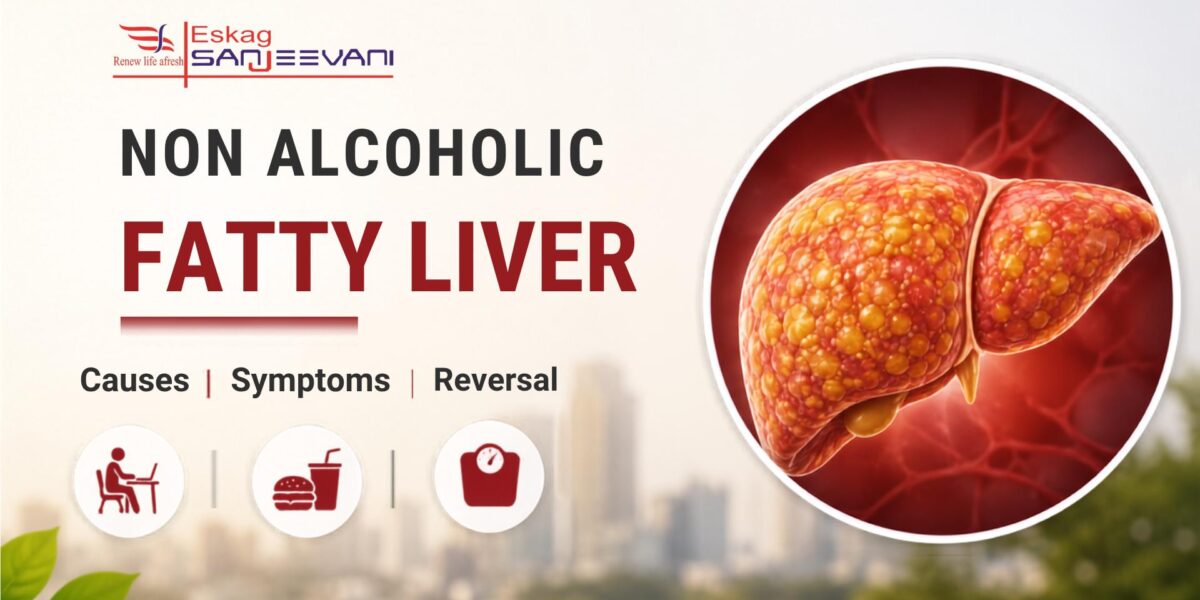
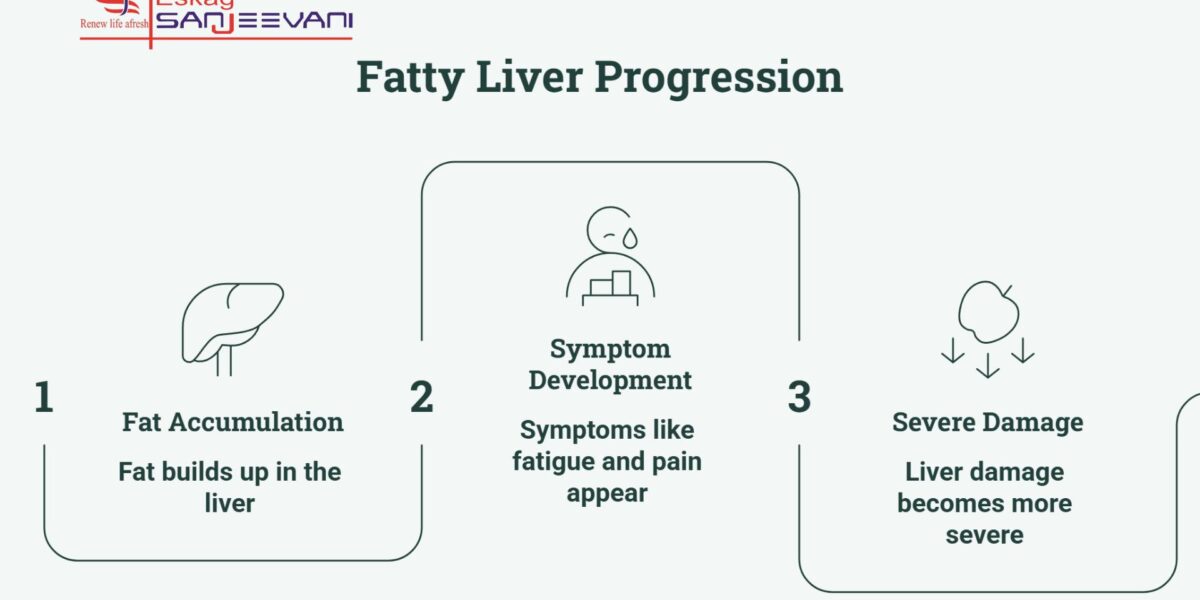
Non alcoholic fatty liver disease is a condition where excess fat collects in the liver despite little or no alcohol intake. NAFLD is not a single condition. It exists on a series, and it varies from simple fatty liver, which may remain stable for years, to a more severe inflammatory form that can cause liver scarring over time.
Research suggests that nearly 38% of the global adult population may have NAFLD, and India has also witnessed a significant rise due to increasing rates of obesity and metabolic disorders [1] [2].
Why Is Fatty Liver Increasing Among Urban Indians?
Modern urban living has changed dramatically over the last few years. Many people spend long hours sitting at desks in the office, rely on processed foods, and experience high levels of stress with poor sleep patterns.
Some of the common reasons behind the rising burden of fatty liver in non alcoholics include:
- Regularly consuming sugary beverages and highly processed foods may lead to excess calorie intake and fat accumulation in the liver. Diets rich in refined carbohydrates and unhealthy fats also contribute to metabolic changes associated with fatty liver.[3]
- An inactive lifestyle with less physical activity reduces the body’s ability to burn energy efficiently. With time, lack of exercise leads to weight gain and increases the risk of fat build-up in the liver.[3]
- Weight gain, especially having belly fat, is strongly connected with developing non-alcoholic fatty liver disease. Abdominal obesity leads to increased inflammation and alters the way the body processes and stores fat.[3]
- Type 2 diabetes and insulin resistance can interfere with normal glucose and fat metabolism. These may lead to more fat accumulation in the liver and disease progression.
- High cholesterol, high triglyceride levels, and other features of metabolic syndrome are important contributors to fatty liver. They reflect underlying metabolic imbalance that can worsen liver health over time.
Even people who appear thin can develop fatty liver if they have excess fat around internal organs, a condition often called lean NAFLD.
Also read: The Stages of Fatty Liver Disease: Understanding Progression from Simple Steatosis to Cirrhosis
5 Common Symptoms of Fatty Liver
Fatty liver usually does not cause symptoms at first, which is why many people remain unaware of the condition for years. It is often discovered by chance during a routine health check-up, ultrasound scan, or liver function test.
As fat builds up in the liver, some people may start noticing symptoms such as
Constant Tiredness
You may feel a lack of energy even after taking proper rest. Simple daily tasks may start feeling more exhausting than usual.
Constant Pain or Heaviness
Some people describe it as a mild discomfort or a feeling of pressure below the ribs where the liver is located.
Weakness or low stamina
You may notice that your body feels weaker or that you get tired more quickly during your regular activities.
Feeling Bloated
Some individuals with fatty liver may experience a sense of fullness or discomfort in the stomach, especially after eating.
Reduced Appetite and Weight Loss
These symptoms are less common and may appear when liver damage becomes more severe, making timely medical evaluation important.
If you develop symptoms such as yellowing of the eyes or skin, swelling in the abdomen, or persistent worsening of your health, consult a doctor without delay, as these may indicate advanced liver disease.
How Is Non Alcoholic Fatty Liver Diagnosed?
Non alcoholic fatty liver is often detected during routine health check-ups, especially in people with obesity, diabetes, or high cholesterol. Doctors diagnose the issue using a combination of various physical tests, medical history, blood tests, and imaging studies such as ultrasound.
Can Fatty Liver Be Reversed?
In many cases, especially during the early stages, non alcoholic fatty liver can improve and may even be reversed with consistent lifestyle changes. Early diagnosis and timely management are important to prevent further liver damage.
Weight Loss
Studies show that losing around 7–10% of body weight can significantly reduce liver fat, inflammation, and even improve fibrosis in some patients [2].
Follow a Liver-Friendly Diet
Healthy eating habits can reduce excess fat accumulation in the liver. Focus on:
- Include plenty of fruits, vegetables, whole grains, and other high-fibre foods in your daily meals. These foods help support better metabolism and overall liver health.
- Choose protein-rich foods such as fish, pulses, and eggs. Adequate protein can help maintain muscle mass and support healthy weight management.
- Add healthy fats from sources like nuts and seeds to your diet. These provide essential nutrients and can be part of a balanced eating pattern.
- Limit your intake of sugar, refined flour, and ultra-processed foods. Reducing these foods may help lower excess calorie consumption and prevent further fat accumulation in the liver.
- Consume fewer calories than your body requires. Maintaining a balanced calorie intake can support gradual weight loss and reduce liver fat.
Increase Physical Activity
Regular exercise improves insulin sensitivity and helps reduce liver fat, even before significant weight loss occurs. A combination of regular exercise and strength training provides the best benefits. In this busy lifestyle, you may at least go for a daily walk after eating.
Manage Other Health Conditions
Keeping diabetes, cholesterol levels, and blood pressure under control can help reduce the risk of fatty liver becoming more severe. NAFLD does not have a single cure. Doctors recommend treatment based on the extent of liver damage and a person’s overall health.
When Should You See a Gastroenterologist?
Because fatty liver often has no symptoms, many people ignore the condition after an incidental diagnosis. However, a medical check-up can determine whether the liver has simple fat accumulation or signs of inflammation and scarring.
You should consult a gastroenterologist in Kolkata if you have persistently abnormal liver test results, diabetes, obesity, or imaging findings of fatty liver. Eskag Sanjeevani has branches in Baranagar, Baghbajar, and Khardah and provides the best care for our patients. Early assessment can help identify the disease stage and guide the selection of the most suitable NAFLD treatment plan. Our medical team will do their best to help you recover faster.
A Quick Recap
Non alcoholic fatty liver is now a common health concern among urban Indians, including people who do not consume alcohol. Modern lifestyle habits, poor dietary choices, and metabolic problems are major reasons behind this rise. The good news is that early fatty liver disease can often be controlled and even reversed with weight management, regular exercise, and healthier eating habits. If your reports suggest fatty liver, seeking timely advice from a gastroenterologist can help prevent future liver complications. Stop waiting for your condition to worsen and book your appointment with us.

Microbiologist with over 2 years of experience in medical writing, specialising in evidence-based healthcare content.

Clinical experience in diagnosis, treatment, and evidence-based patient care across a range of conditions.
References
- Vagurmekar PA, Ferreira AM, Vaz FS, Shah HK, Dias AS, Kulkarni MS. Prevalence of non-alcoholic fatty liver disease (NAFLD) among adults in urban Goa (Correspondence). Natl Med J India 2023;36:401–4.
- Anton MC, Shanthi B, Sridevi C. Prevalence of Non-Alcoholic Fatty Liver Disease in Urban Adult Population in a Tertiary Care Center, Chennai. Indian J Community Med. 2023 Jul-Aug;48(4):601-604. doi: 10.4103/ijcm.ijcm_437_22. Epub 2023 Jul 14. PMID: 37662140; PMCID: PMC10470578.
- Jain, Dr Ankur. “Fatty Liver in Young Indians: Warning Signs & Practical Tips.” Maxhealthcare.in, Max Healthcare, 6 May 2026.
Yes. Fatty liver in non alcoholics develops due to factors such as obesity, insulin resistance, unhealthy diet, and a lack of physical activity rather than alcohol consumption.
NAFLD can often improve with weight loss, regular exercise, a balanced diet, and better control of diabetes and cholesterol levels.
Simple fatty liver may not cause significant problems, but some people can develop inflammation, fibrosis, and eventually cirrhosis if the disease progresses.
People with fatty liver disease should limit sugary beverages, refined carbohydrates, deep-fried foods, processed snacks, and excessive calorie intake.
A gastroenterologist can evaluate the severity of fatty liver disease, identify underlying causes, and recommend an appropriate treatment and monitoring plan.