

Heart Blockage Symptoms: Signs, Diagnosis & Treatment
Chest discomfort, breathlessness, unusual fatigue or dizziness can have many causes. In some people, these symptoms may be related to coronary artery disease (CAD), where plaque builds up in the arteries that supply blood to the heart. However, symptoms alone cannot confirm a blocked coronary artery. It is also important to clarify a commonly misunderstood term: “heart blockage” and “heart block” are not the same condition. Coronary artery blockage refers to narrowing or obstruction of the blood vessels that supply the heart, while heart block is a problem with the electrical signals that coordinate the heartbeat [1].
Recognising concerning symptoms and seeking appropriate medical evaluation helps identify the cause and determine whether further testing or treatment is needed. This article explains them all.
At A Glance
- Coronary artery blockage and electrical heart block are different conditions.
- Chest pressure, breathlessness, unusual fatigue, nausea or discomfort in the arm, jaw, back or shoulder can occur with coronary disease, but they can also have other causes.
- An ECG records the heart’s electrical activity and can identify electrical conduction abnormalities, but it does not by itself rule out or diagnose every coronary artery blockage.
- Depending on the symptoms and clinical findings, doctors may consider blood tests, stress testing, echocardiography, coronary CT angiography or invasive coronary angiography.
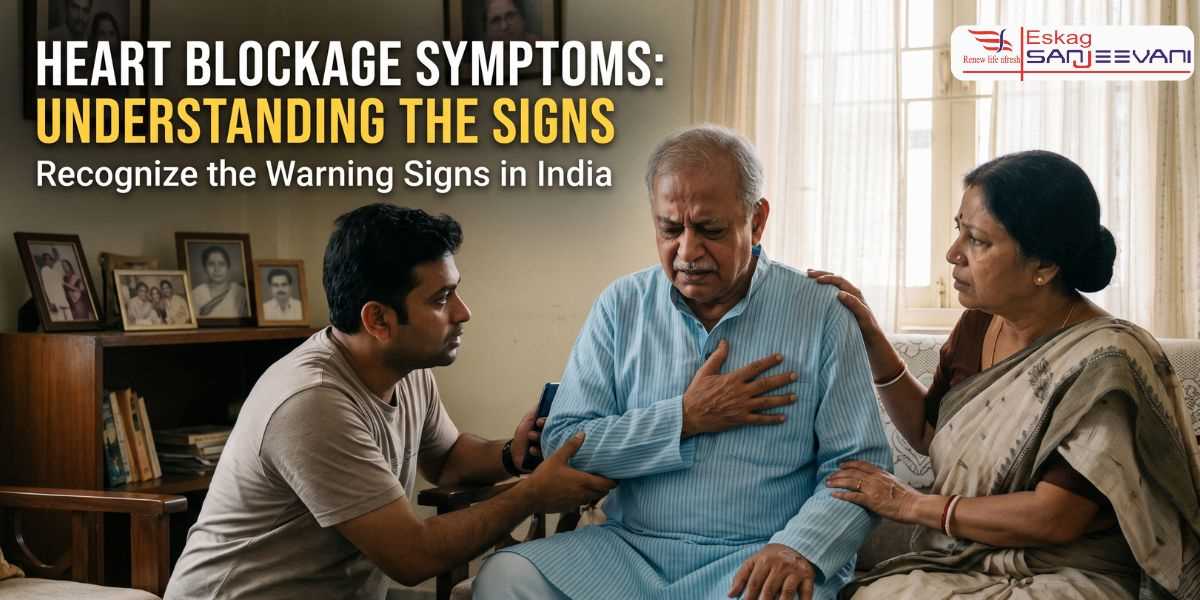
Heart Blockage Symptoms: The Right Guide for You
Coronary arteries supply oxygen-rich blood to the heart muscle. Over time, cholesterol-containing plaque can build up within these arteries, causing atherosclerosis. As a coronary artery becomes narrower, blood flow may become insufficient during physical activity or other situations when the heart needs more oxygen. This can cause angina, which may feel like pressure, tightness, squeezing or discomfort in the chest [2]. A plaque can also rupture and contribute to the formation of a blood clot, suddenly reducing blood flow and causing an acute coronary syndrome, including a heart attack. The degree of narrowing does not always predict symptoms perfectly, so medical assessment is important when concerning symptoms occur.
Risk Factors for Coronary Artery Disease
Coronary artery disease usually develops through a combination of factors rather than one single cause.
Important risk factors include the following:
- High blood pressure
- High LDL cholesterol and other lipid abnormalities
- Diabetes
- Smoking or tobacco exposure
- Physical inactivity
- Excess body weight and metabolic risk factors
- Increasing age
- Family history of cardiovascular disease
- Other individual genetic and medical factors
A healthy lifestyle can help reduce cardiovascular risk, but it cannot completely eliminate the possibility of coronary artery disease.
Common Symptoms of Coronary Artery Disease
Symptoms can vary considerably between people. As a heart block progresses, the symptoms usually become more defined, as follows:
- Chest Discomfort: Angina may feel like pressure, squeezing, heaviness, burning or tightness in the chest. It can sometimes occur during physical activity or emotional stress and improve with rest.
- Shortness of Breath: Breathlessness can occur with exertion when the heart cannot adequately meet the body’s increased demand for oxygen. However, shortness of breath also has many non-cardiac causes.
- Discomfort in Other Areas: Heart-related symptoms can sometimes involve discomfort in other areas:
- One or both arms
- Shoulder
- Jaw
- Neck
- Back
- Upper abdomen
- Other Symptoms: Some people may experience unusual tiredness, sweating, nausea or vomiting, light-headedness, palpitations.
Women and older adults may sometimes experience less typical symptoms, so the absence of dramatic chest pain does not necessarily exclude a cardiac problem.
Heart Block vs Heart Blockage
The terms sound similar but describe different problems. A summary table is provided below.
| Condition | What It Means | Common Evaluation |
| Coronary artery blockage | Narrowing or obstruction of arteries supplying the heart | Clinical assessment, ECG, blood tests and selected imaging/testing |
| Heart block | Delay or interruption of electrical signals travelling through the heart | ECG and other rhythm/conduction assessments |
Heart block can range from mild conduction delay to more serious forms. Some people have few or no symptoms, while more significant heart block can cause dizziness, fainting, slow or irregular heartbeats, chest discomfort or shortness of breath. This distinction matters because the diagnostic approach and treatment differ.
Can an ECG Detect Heart Blockage?
An electrocardiogram (ECG) records the heart’s electrical activity.
It can help identify the following:
- Abnormal heart rhythms
- Electrical conduction problems
- Some patterns associated with reduced blood flow or a heart attack
However, an ECG does not directly show every coronary artery narrowing or blockage. A person with coronary artery disease can sometimes have a normal ECG, particularly when symptoms are not occurring during the test.
Right Treatment: Heart Blockage Surgery and Recovery
Depending on the clinical situation, a doctor may consider additional investigations such as:
Blood Tests
Cardiac troponin testing is particularly important when a heart attack is suspected. Other blood tests may help assess cardiovascular risk or identify contributing conditions.
Echocardiogram
An echocardiogram uses ultrasound to assess heart structure, pumping function and certain valve abnormalities.
Stress Testing
Exercise or pharmacological stress testing may be considered in selected patients to assess how the heart responds under increased demand.
Coronary CT Angiography
CT angiography can image the coronary arteries and may be appropriate for selected patients based on symptoms and pre-test likelihood.
Coronary Angiography
Invasive coronary angiography can show the location and severity of coronary artery narrowing and may also allow treatment with PCI when appropriate [3]. Not every person with chest discomfort needs every test. The choice depends on symptoms, test findings, cardiovascular risk and the clinical question.
How Is Coronary Artery Blockage Treated?
Treatment depends on the individual’s condition, symptoms, extent of coronary disease and overall cardiovascular risk.
Step 1: Lifestyle and Risk-Factor Management
Management may include:
- Stopping tobacco use
- Regular physical activity appropriate to the person’s condition
- A heart-healthy dietary pattern
- Managing blood pressure
- Managing diabetes
- Treating abnormal cholesterol
- Maintaining a healthy weight where appropriate
- Taking prescribed medicines consistently
For chronic coronary disease, guideline-directed medical treatment remains an important part of care.
Step 2: Medicines
Depending on the patient’s condition, medicines may control cholesterol, blood pressure, angina, or other cardiovascular risk factors. The choice of medication should be based on the individual’s diagnosis, risk factors and other medical conditions.
Step 3: Angioplasty and Stenting
Percutaneous coronary intervention (PCI) uses a catheter to treat a narrowed or blocked coronary artery. Balloon angioplasty and, when appropriate, stent placement can restore or improve blood flow through the treated artery. PCI is not automatically required for every coronary blockage. Its role depends on the clinical situation and anatomy [3].
Step 4: Coronary Artery Bypass Grafting (CABG)
CABG creates a new route for blood to flow around significantly narrowed or blocked coronary arteries. CABG may be considered in selected patients, including some people with complex or extensive coronary artery disease. The choice between CABG, PCI and medical treatment depends on factors such as coronary anatomy, symptoms, comorbidities and expected benefits and risks [3]. Therefore, surgery is not automatically the most effective treatment for every person with coronary artery blockage.
Final Thoughts
Heart blockage is commonly used to describe coronary artery narrowing, but it should not be confused with heart block, which is an electrical conduction disorder. Chest discomfort, breathlessness, fatigue,, dizziness or discomfort in the arm, jaw or back can have many causes. If these symptoms are new, constant or appear suddenly with other warning signs, seek medical evaluation. No single treatment is right for every coronary blockage. Depending on the condition, management may involve lifestyle changes, medicines, PCI/angioplasty or CABG. The decision should be based on the individual’s symptoms, coronary anatomy, cardiovascular risk and expected benefits and risks. Patients requiring cardiovascular evaluation can access cardiology services at Eskag Sanjeevani Hospitals, including clinical assessment, relevant cardiac investigations and treatment pathways when indicated.
References
- Riegel B, De Maria M, Barbaranelli C, Matarese M, Ausili D, Stromberg A, Vellone E, Jaarsma T. Symptom Recognition as a Mediator in the Self-Care of Chronic Illness. Front Public Health. 2022 May 17;10:883299. doi: 10.3389/fpubh.2022.883299.
- Gillen, C. and Goyal, A. (2022). Stable angina. [online] PubMed.
- Gurav A et al. Coronary angiography: a review of the state of the art and the evolution of angiography in cardio therapeutics. Front Cardiovasc Med. 2024 Nov 25;11:1468888. doi: 10.3389/fcvm.2024.1468888.
There are several symptoms of heart blockage. Shortness in breathing, heaviness in chest, nausea and indigestion or difficulty in doing minor daily tasks are some of them. At Eskag Sanjeevani, we are here to properly monitor your symptoms and provide the best for you.
ECG is necessary to understand the signs of restricted blood flow but cannot directly detect heart blockages.
The moment the symptoms of heart blockages start appearing often, you should immediately consult a cardiologist. At Eskag Sanjeevani, we have the best cardiologists of Kolkata who are keen in monitoring your heart health and provide you with the necessary treatment.
Yes, regular check-ups are mandatory for better heart health as well as to avoid any kind of blockages or serious damage of your heart. Here at Eskag Sanjeevani, we provide reminders so you don’t miss your important and routine check-ups.
It is mandatory to follow a healthy diet and to manage your stress level to keep your heart health in a good condition. Most importantly, avoid smoking and alcohol to prevent heart blockage. Don’t forget to show up for your regular check-ups.