
 Medically Reviewed
Auto Brewery Syndrome: Why Some People Feel Drunk Without Drinking
Doctors have reported more than 300 auto brewery syndrome cases worldwide [1]. It is a rare condition called auto brewery syndrome, where the gastrointestinal tract produces excessive endogenous ethanol without any alcohol consumption. In India, where digestive health concerns are increasingly prevalent, this condition remains largely underdiagnosed and misunderstood. Imagine experiencing sudden intoxication, slurred speech, and impaired coordination after a meal; without touching a single drop of alcohol! This is the reality for patients with auto brewery syndrome, a metabolic disorder in which your gut microbiota (a community of living microorganisms, including bacteria, viruses, fungi, and archaea) ferments carbohydrates into alcohol.
This blog helps you understand why this syndrome is crucial for Indian patients who are struggling with unexplained symptoms of intoxication.
Key Takeaways
- Auto brewery syndrome occurs when gut microbes ferment carbohydrates into ethanol, causing blood alcohol levels to rise without alcohol consumption, with documented cases showing levels exceeding 300 mg/dL [1].
- Gut dysbiosis can trigger the condition, often caused by prolonged antibiotic use, high-carbohydrate diets, intestinal dysmotility, or underlying conditions like Crohn’s disease and short bowel syndrome.
- Diagnosis requires a carbohydrate challenge test in which patients consume 200g of glucose while monitored for blood alcohol elevation, the gold standard for confirming ethanol production.
Quick answer: Auto-brewery syndrome occurs when gut microbes ferment carbohydrates into alcohol, causing intoxication-like symptoms without drinking alcohol.
Understanding Auto Brewery Syndrome
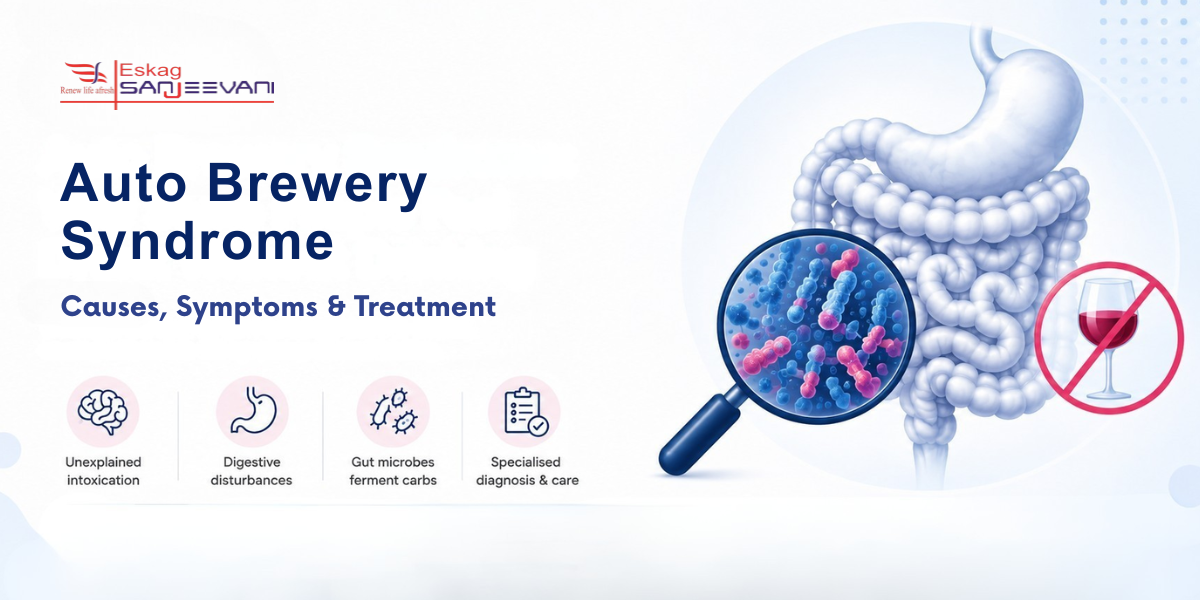
Auto brewery syndrome (also known as gut fermentation syndrome or endogenous ethanol fermentation) is a rare metabolic disorder characterised by alcohol production within the gastrointestinal tract. The condition occurs when fermenting microorganisms (bacteria and fungi) overgrow in the gut and convert dietary carbohydrates into ethanol.
In healthy individuals, small amounts of endogenous ethanol are generated through normal microbial fermentation, ranging from 0.01 to 0.3 mg/dL, which the liver efficiently metabolises through first-pass metabolism [1]. However, in patients with auto brewery syndrome, this process becomes pathological. Overgrowth of ethanol-producing microbes drives fermentation rates that overwhelm the liver’s capacity to metabolise the alcohol.
The condition is particularly relevant to Indian patients because of the following:
- High-carbohydrate diets common in Indian cuisine can serve as substrates for fermentation.
- Antibiotic use for various infections is widespread, disrupting normal gut microbiota.
- Underlying gastrointestinal conditions like inflammatory bowel disease are increasingly diagnosed.
Symptoms of Auto Brewery Syndrome
Auto brewery syndrome symptoms can resemble alcohol intoxication, even when a person has not consumed any alcoholic beverages. The manifestations vary depending on blood alcohol concentration and individual sensitivity.
Neurological and cognitive symptoms of Auto Brewery Syndrome:
Patients searching for the best neurologist in Kolkata may need neurological evaluation alongside gastroenterology care when symptoms such as seizures, confusion or coordination problems occur.
- Slurred speech and difficulty articulating words
- Memory loss and brain fog
- Disorientation and confusion
- Altered mood, anxiety, and depression
- Recurrent seizures in severe cases
- Ataxia (loss of coordination) and gait disturbance
- Blurred vision and glassy eyes
Gastrointestinal symptoms:
The underlying dysbiosis causes additional digestive complaints. Patients frequently report bloating, belching, nausea, and vomiting. Diarrhoea is particularly common, with research showing that patients with auto brewery syndrome experience more frequent and lower-quality bowel movements compared to healthy controls. Abdominal pain and food sensitivities are also reported at higher rates.
Physical and Behavioural Signs:
Malodorous breath is one of the most distinctive findings, reported significantly more often in auto brewery syndrome patients than in control groups [2]. Family members describe the smell as fruity, foul, or similar to “hangover breath.”
Chronic Complications:
Long-term exposure to endogenous ethanol can lead to liver disease, vitamin deficiencies (particularly B vitamins, zinc, and magnesium), peripheral neuropathy, and in some cases, development of secondary alcohol use disorder due to neurochemical changes from chronic alcohol exposure.
Auto Brewery Syndrome Causes
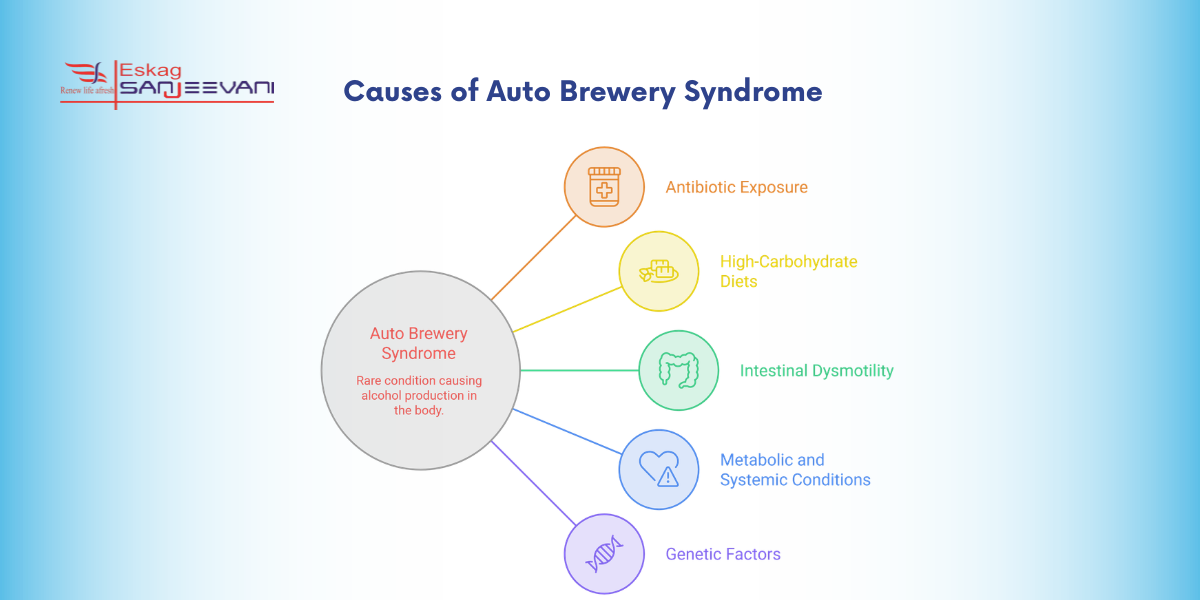
Auto brewery syndrome develops when a combination of factors occurs: predisposing anatomical or physiological conditions, disruption of normal gut microbiota, and overgrowth of ethanol-producing microorganisms.
- Antibiotic Exposure: Antibiotics are among the most significant triggers for auto brewery syndrome. Even a single course of antibiotics can cause detectable microbiota changes up to 8 years later [1].
- High-Carbohydrate Diets: Carbohydrates, particularly simple sugars and refined grains, serve as the primary substrate for microbial fermentation. Hexoses (glucose and fructose) produce the highest ethanol levels when metabolised by fermenting organisms.
- Intestinal Dysmotility: Conditions affecting gut movement allow carbohydrates to remain in contact with microbes longer, increasing fermentation. Short bowel syndrome shows rates of small intestinal microbial dysbiosis as high as 66%, with auto brewery syndrome documented in several patients with this condition [1].
- Metabolic and Systemic Conditions: Research demonstrates that patients with diabetes mellitus and liver cirrhosis produce higher levels of endogenous ethanol [2].
- Genetic Factors: Genetic polymorphisms (common, natural DNA variations) affecting aldehyde dehydrogenase (ALDH) enzymes (responsible for ethanol metabolism) may explain ethnic differences in endogenous ethanol production and clearance.
Note for patients: Metabolic dysfunction-associated steatotic liver disease (MASLD) is closely associated with auto brewery syndrome, though whether MASLD causes the syndrome or results from chronic endogenous ethanol exposure remains unclear.
Microorganisms Involved in Auto Brewery Syndrome
Recent genomic sequencing has identified the specific microorganisms responsible for auto brewery syndrome.
-
- Bacterial Producers: Recent research shows that organisms from the Proteobacteria phylum are primarily implicated. High-alcohol-producing bacteria include Klebsiella pneumoniae, Enterococcus faecium, E. faecalis, E. coli, and Citrobacter freundii.
- Fungal Involvement: Researchers historically attributed many cases to fermenting yeasts; modern sequencing has not directly identified these fungi as primary contributors in most cases.
- Microbiota Alterations: Auto-brewery syndrome is associated with increased Proteobacteria, particularly E. coli and K. pneumoniae. Patient stool samples can produce alcohol in laboratory testing, supporting a bacterial cause, while antibiotic treatment reduces fermentation.
Diagnosis of Auto-Brewery Syndrome
Diagnosing auto-brewery syndrome is difficult because it is rare, symptoms are nonspecific, and there are no universally accepted diagnostic criteria. Diagnosis relies on clinical history, exclusion of other causes and specialised testing.
1. Clinical History and Examination
Your doctor will review:
- Timing and frequency of intoxication episodes
- Relationship to carbohydrate-rich meals
- Previous antibiotic use
- Gastrointestinal disorders and dietary patterns
- Medicines, particularly acid-suppressing drugs and opioids
2. Carbohydrate Challenge Test
Doctors commonly use the carbohydrate challenge test to demonstrate endogenous alcohol production. It typically involves:
- Alcohol abstinence and fasting before testing
- Baseline blood alcohol measurement
- Oral administration of a measured carbohydrate load
- Serial blood alcohol measurements over 24 hours
- Regular breath alcohol measurements under observation
3. Laboratory Testing
Additional tests help identify the underlying organism and exclude other conditions:
- Complete blood count and metabolic panel
- Liver function tests and, when indicated, liver imaging
- Stool cultures for fungal and bacterial organisms
- Endoscopic intestinal sampling in selected cases
- Hydrogen breath testing when bacterial overgrowth is suspected
4. Conditions Doctors Need to Rule Out
Doctors may also assess for covert alcohol exposure, alcohol-containing products, drug use, toxic alcohol ingestion, liver or kidney-related encephalopathy, seizures, head injury and psychiatric conditions.
Auto-Brewery Syndrome Treatment
Treatment focuses on reducing fermentation, addressing the organisms involved and preventing recurrence. The plan depends on the underlying cause and should be guided by a specialist.
1. Dietary Modification
Doctors commonly use a low-carbohydrate diet during active treatment to reduce the substrate available for alcohol-producing organisms.
- Restrict refined carbohydrates, added sugars and high-glycaemic foods.
- Base meals on protein-rich foods, vegetables and other nutrient-dense options.
- Adjust carbohydrate intake according to symptoms and medical advice.
- For Indian patients, this may involve reducing rice, refined wheat products and sugary foods while choosing vegetables, pulses in appropriate amounts and protein sources.
- A dietitian helps maintain adequate nutrition during dietary restriction.
2. Antimicrobial Therapy
Treatment may target fungal or bacterial overgrowth identified through stool, intestinal or other appropriate cultures.
| Treatment | When used |
| Antifungals | When fungal overgrowth is identified |
| Antibiotics | When bacterial overgrowth is identified |
| Targeted therapy | Selected according to culture and sensitivity results |
A doctor should prescribe antimicrobial treatment, especially because some medicines can affect the liver or cause other adverse effects.
3. Probiotic Therapy
Probiotics are used after antimicrobial treatment to support restoration of the gut microbiota. Options include:
- Single-strain probiotics such as Lactobacillus acidophilus
- Multi-strain preparations
- Longer-term use in selected patients
Evidence remains limited, and probiotic selection should be individualised rather than based on one standard regimen.
4. Faecal Microbiota Transplantation
Faecal microbiota transplantation is an emerging option for selected patients with refractory auto-brewery syndrome who do not respond to conventional treatment.
Reported cases have described the following conditions:
- Lower or normalised alcohol levels
- Improvement in symptoms
- Changes towards a healthier microbiota
- Sustained remission in some patients
5. Preventing Relapse
Recurrence can be reduced by addressing the factors that promote abnormal fermentation.
- Avoid unnecessary antibiotics and use them only when prescribed.
- Treat underlying gastrointestinal conditions.
- Manage diabetes and other metabolic conditions effectively.
- Maintain a balanced carbohydrate intake after the acute treatment phase.
- Monitor symptoms and alcohol levels when advised by your healthcare team.
Specialised Care for Auto Brewery Syndrome at Eskag Sanjeevani Hospitals
Eskag Sanjeevani Hospitals recognises auto brewery syndrome as a complex gastrointestinal and metabolic disorder requiring specialised, multidisciplinary management. Our NABH-accredited facility offers comprehensive diagnostic and therapeutic services specifically designed for Indian patients with this rare condition.
Patients looking for the best gastroenterologist in Kolkata can consult the gastroenterology team at Eskag Sanjeevani Hospitals for diagnostic evaluation, treatment planning and follow-up care.
Our diagnostic capabilities include:
- Standardised carbohydrate challenge testing with continuous blood alcohol monitoring.
- Endoscopic sampling with bacterial and fungal culture and sensitivity analysis to identify fermenting organisms.
- Total metabolic assessment, including liver function and micronutrient evaluation.
Our integrated treatment team provides:
- Collaborative care from gastroenterologists, infectious disease specialists, clinical nutritionists and hepatologists.
- Individualised dietary planning that considers Indian food preferences while maintaining therapeutic carbohydrate restriction.
- Targeted antimicrobial therapy based on culture and sensitivity results.
- Probiotic selection based on microbiota findings.
- Emerging faecal microbiota transplantation for selected refractory cases.
Final Thoughts
If you experience unexplained intoxication after meals without drinking alcohol, your doctor should consider auto-brewery syndrome. Seek evaluation at a gastroenterology centre equipped for carbohydrate challenge testing. Work with your healthcare team to implement low-carbohydrate dietary modifications, the cornerstone of treatment. At Eskag Sanjeevani Hospitals, our gastroenterology department specialises in auto brewery syndrome diagnosis and management, offering required tests and comprehensive treatment planning. Don’t let this rare condition go undiagnosed; take action today to reclaim your health and quality of life.

Microbiologist with over 2 years of experience in medical writing, specialising in evidence-based healthcare content.

Clinical experience in diagnosis, treatment, and evidence-based patient care across a range of conditions.
References
- Painter, K., Cordell, B. and Sticco, K.L. (2019). Auto-brewery syndrome (gut fermentation). [online] Nih.gov.
- Cordell BJ, Kanodia A, Miller GK. Case-Control Research Study of Auto-Brewery Syndrome. Glob Adv Health Med. 2019 Apr 18;8:2164956119837566.
Auto brewery syndrome is treatable but requires long-term management. With appropriate antimicrobial therapy, dietary modification, and probiotic support, most patients achieve symptom remission.
Auto brewery syndrome is a medical condition where the body produces alcohol internally through microbial fermentation, while alcohol use disorder is a behavioural condition involving alcohol consumption.
Avoid simple sugars, refined grains (white rice, white bread), processed foods, and high-glycemic fruits during initial treatment. Focus on non-starchy vegetables, proteins, and healthy fats.
Initial intensive treatment lasts 6-12 weeks with antimicrobial therapy and strict carbohydrate restriction. However, long-term dietary modification and probiotic supplementation continue indefinitely. Most patients see symptom improvement within 2-4 weeks of starting treatment.
Some patients eventually tolerate moderate carbohydrate intake without symptom recurrence after successful treatment and microbiota restoration. However, lifelong dietary awareness is recommended.