

 Medically Reviewed
Monsoon Fever Symptoms: Dengue, Typhoid, and Rat Fever Explained
The monsoon season can increase several infections, including dengue, typhoid, and leptospirosis (rat fever). Because these illnesses can cause similar symptoms such as fever, headache, weakness, and body aches, you can’t always determine the cause from symptoms alone. Environmental conditions during the rainy season can also increase exposure to mosquitoes, contaminated food or water, and floodwater contaminated with animal urine. Understanding these features and exposure patterns can help you know when a medical assessment may be appropriate. However, symptoms are clues, not a reliable way to diagnose one infection from another. The actual diagnosis depends on the clinical situation and doctor-recommended laboratory testing.
This blog can help you understand the different symptoms of dengue, typhoid or other monsoon fevers.
Fast Facts
- Monsoon fever is not a specific medical diagnosis. Dengue, typhoid and leptospirosis can have overlapping symptoms like fever, body ache, and others.
- Exposure history can provide useful clues but cannot confirm the infection.
- Laboratory tests may be needed when the cause of fever is uncertain or when the clinical situation requires investigation.
- Severe or rapidly worsening symptoms require prompt medical attention.
Quick Answer: Monsoon fever may result from dengue, typhoid, or rat fever. Early diagnosis helps prevent complications and supports timely treatment.
- Why Do Some Infections Increase During the Monsoon?
- Dengue, Typhoid, or Rat Fever: Understand the Difference
- Symptoms of Dengue
- Symptoms of Typhoid
- Symptoms of Rat Fever
- Why Leptospirosis Can Become Serious
- Can Dengue and Typhoid Occur Together?
- How to Prevent Monsoon-Related Infections
- Warning Signs That Need Urgent Medical Care
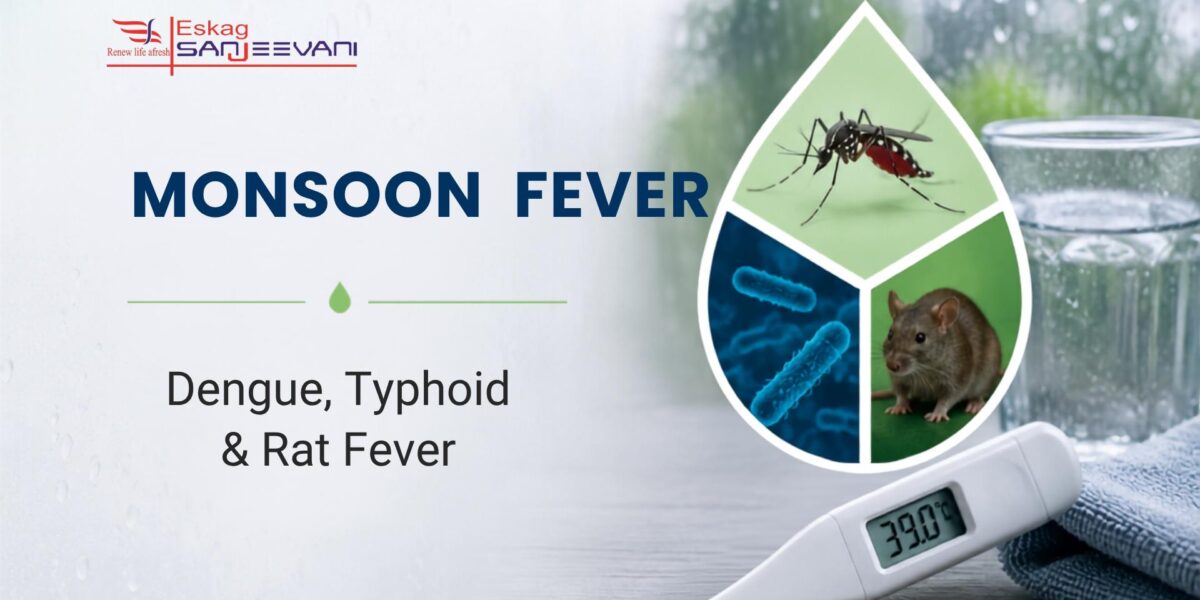
Why Do Some Infections Increase During the Monsoon?
Rainfall, flooding and water accumulation can change patterns of exposure to infectious diseases.
For example:
- Dengue is transmitted by infected Aedes mosquitoes, which can breed in water-holding containers.
- Typhoid is caused by Salmonella Typhi and is usually transmitted through contaminated food or water.
- Leptospirosis can occur after exposure to water or soil contaminated with urine from infected animals.
These different transmission routes mean environmental and personal exposure history can help a clinician evaluate someone with fever. However, fever during the monsoon does not indicate a particular infection.
Dengue, Typhoid, or Rat Fever: Understand the Difference
Fever alone cannot distinguish dengue, typhoid, and rat fever. A closer look at associated symptoms can provide useful clues.
The following table describes common patterns, not diagnostic rules.
| Feature | Dengue | Typhoid | Leptospirosis |
| Fever | Often sudden | Often sustained | Often acute |
| Headache | Common | Common | Common |
| Muscle Pain | Often prominent | Possible | Often prominent |
| Joint Pain | Possible | Less characteristic | Possible |
| Pain Behind Eyes | Can occur | Not typical | Not typical |
| Abdominal symptoms | Possible | Common | Possible |
| Rash | Can occur | Sometimes | Sometimes |
| Red Eyes | Not typical | Not typical | Can occur |
| Platelet changes | Can occur | Not characteristic | Can occur |
| Typical Exposure | Mosquitoes | Food/water | Contaminated water/soil |
These patterns can overlap considerably. A symptom comparison cannot reliably confirm or exclude dengue, typhoid or leptospirosis.
Symptoms of Dengue
Dengue commonly causes an acute febrile illness. Symptoms may include the following:
- Fever
- Headache
- Muscle and joint pain
- Pain behind the eyes
- Nausea
- Vomiting
- Rash
Laboratory findings can change during the illness. A decrease in platelet count may occur in dengue, but a low platelet count is not specific to dengue and should not be used by itself to establish the diagnosis [1].
Some people develop warning signs as the illness progresses, including severe abdominal pain, constant vomiting, bleeding or marked lethargy/restlessness. People with concerning symptoms should receive medical assessment rather than relying on home diagnosis.
Symptoms of Typhoid
Typhoid fever is caused by Salmonella Typhi and is usually acquired through contaminated food or water.
Symptoms can include:
- Sustained fever
- Headache
- Weakness
- Loss of appetite
- Abdominal discomfort
- Constipation or diarrhoea
- Nausea
The clinical presentation can vary, and symptoms may overlap with other infections. Diagnosis generally requires appropriate clinical assessment and laboratory investigation rather than symptom recognition alone.
Symptoms of Rat Fever
Leptospirosis is a bacterial infection caused by Leptospira species. It can occur after exposure to water or soil contaminated with urine from infected animals. The bacteria can enter through cuts or abrasions in the skin or through mucous membranes [2].
Possible symptoms include:
- Fever
- Chills
- Headache
- Muscle pain
- Nausea or vomiting
- Red eyes
- Abdominal symptoms
- Jaundice in more severe illness
Severe leptospirosis can affect the kidneys, liver, lungs and other organs. Because its early symptoms can resemble other febrile illnesses, exposure history and clinical assessment are important.
Also read: Safe Drinking Water & Waterborne Diseases in Monsoon
Why Leptospirosis Can Become Serious
Leptospirosis can present in many ways. Some people develop a relatively mild illness, while others can develop severe disease involving multiple organs.
Possible complications include:
- Acute kidney injury
- Liver dysfunction
- Respiratory complications
- Bleeding
- Severe systemic illness
The presence of these complications is not unique to leptospirosis, so clinical evaluation is important when a person develops significant illness after possible exposure.
Who May Have Greater Exposure Risk?
The risk of rat fever can increase with exposure to potentially contaminated water or soil, particularly during flooding.
The following people may have increased occupational or environmental exposure:
- Farmers
- Sewage and sanitation workers
- Municipal workers
- People working in flood-affected areas
- People who frequently enter contaminated water
- Residents of areas affected by flooding or poor drainage
Protective measures are particularly important for people with repeated exposure.
Can Dengue and Typhoid Occur Together?
Yes, a person can have more than one infection at the same time. When multiple infections circulate, symptoms can overlap, making clinical assessment more challenging. A person with fever, weakness, gastrointestinal symptoms, or abnormal blood test results may need further evaluation to determine the cause. Clinicians should consider co-infection based on the person’s symptoms, exposure history, and local disease patterns rather than assuming it from symptoms alone.
How to Prevent Monsoon-Related Infections
Simple precautions can lower the risk of common monsoon diseases and help protect your health during the rainy season. It is equally important to recognise serious symptoms early and seek medical care without delay.
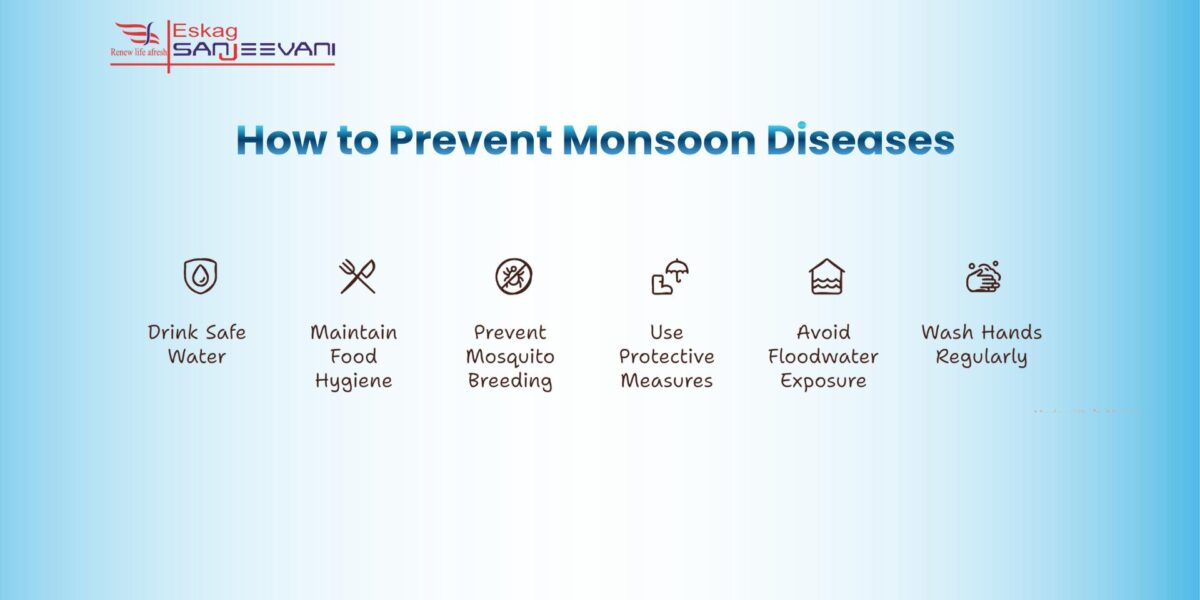
Tip 1: Use Safe Drinking Water
Drink properly treated, filtered or boiled water where water safety is uncertain. Good water and sanitation practices can reduce the risk of enteric infections such as typhoid.
Tip 2: Maintain Food Hygiene
Try to maintain the following practices:
- Eat freshly prepared food where possible.
- Wash fruits and vegetables appropriately.
- Keep cooked and raw foods separate.
- Wash hands before eating and preparing food.
Tip 3: Reduce Mosquito Exposure
To reduce dengue risk, do the following:
- Empty containers that collect standing water.
- Keep water-storage containers covered.
- Use mosquito repellents.
- Wear clothing that reduces exposed skin.
- Use window screens or other appropriate mosquito-control measures.
Tip 4: Avoid Contaminated Floodwater
Where possible, avoid unnecessary contact with floodwater or potentially contaminated stagnant water. If you can’t avoid exposure, wear appropriate protective footwear and clothing to reduce direct contact. Cover cuts or abrasions before entering potentially contaminated environments.
Tip 5: Maintain Hand Hygiene
Wash hands regularly with soap and water, particularly before eating and after contact with potentially contaminated surfaces.
Warning Signs That Need Urgent Medical Care
Certain symptoms require immediate medical attention regardless of the suspected cause. Seek urgent care if fever occurs with:
- Breathing difficulty or shortness of breath, especially if it appears suddenly or becomes worse over a short period.
- Severe abdominal pain that does not improve, as it may indicate complications linked to dengue or other infections.
- Persistent vomiting that prevents adequate fluid intake can increase the risk of dehydration and weakness.
- Bleeding from the nose, gums, or under the skin, particularly when accompanied by fever or unusual tiredness.
- Black or tarry stools, which may suggest internal bleeding and require immediate medical evaluation.
- Noticeably reduced urine output throughout the day, as this may indicate dehydration or possible kidney involvement.
- Extreme weakness that affects normal daily activities, especially when it develops alongside high fever or body aches.
- Confusion, excessive drowsiness, or difficulty staying alert may signal serious illness and require urgent assessment.
- Yellowing of the skin or eyes is a symptom that may occur when an infection affects liver function.
- A sudden decline in health after initial improvement, which can occur in severe cases and should not be ignored.
These symptoms may indicate severe disease and should not be ignored.
Final Thoughts
Monsoon fever is not a single disease. During the rainy season, illnesses such as dengue, typhoid and leptospirosis may occur, along with many other causes of fever. These infections can share symptoms, so fever patterns and symptom comparisons can provide clues but cannot reliably establish a diagnosis. Exposure history, clinical examination and appropriately timed laboratory testing may be needed to determine the cause and guide treatment. Safe water and food practices, mosquito control, hand hygiene and avoiding unnecessary exposure to contaminated floodwater can reduce the risk of several monsoon-related infections. If fever persists, worsens, or is accompanied by concerning symptoms such as breathing difficulty, significant bleeding, severe abdominal pain, confusion, or reduced urine output, seek medical assessment promptly.

Microbiologist with over 2 years of experience in medical writing, specialising in evidence-based healthcare content.

Clinical experience in diagnosis, treatment, and evidence-based patient care across a range of conditions.
References
- Khazali AS, Hadrawi WH, Ibrahim F, Othman S, Nor Rashid N. Thrombocytopenia in dengue infection: mechanisms and a potential application. Expert Rev Mol Med. 2024 Oct 14;26:e26. doi: 10.1017/erm.2024.18.
- Wang, S., Stobart, M.A. and Dunn, N. (2024). Leptospirosis (weil disease). [online]
Monsoon fever is a broad term that describes fever during the rainy season. The cause may be viral fever, dengue, typhoid, rat fever, or another infection.
Both illnesses can cause fever and weakness. Dengue often causes severe body pain and low platelet counts, while typhoid commonly causes digestive symptoms and persistent fever. Medical tests help confirm the diagnosis.
Person-to-person transmission is uncommon. Most infections occur through contact with water or soil contaminated by infected animal urine.
You should seek medical advice if fever lasts more than two to three days, symptoms worsen, or warning signs such as vomiting, bleeding, or breathing difficulty appear.
Safe drinking water, proper food hygiene, mosquito control, handwashing, and avoiding exposure to floodwater can reduce the risk of common monsoon diseases.