

 Medically Reviewed
Bone Density by Age: When Should You Start Worrying About It?
Bone health is something most people do not think about until a fracture or persistent pain occurs. However, your bone density changes naturally throughout life. Bones are strongest during early adulthood, but as you age, they slowly begin to lose minerals, making them weaker and more likely to break.
Understanding bone loss, its risks, and how to maintain healthy bones can help you take preventive steps before serious problems develop. A timely bone test and the right lifestyle choices can play an important role in protecting your bone health.
Key Takeaways
- Bone density usually peaks around age 30 and gradually declines thereafter as part of the natural ageing process.
- Women, especially after menopause, face a faster decline in bone density because of lower levels of the hormone oestrogen.
- Regular exercise, a balanced diet, and choosing the right food for healthy bones can help maintain bone strength as you age.
Quick Answer: Bone density usually starts declining after age 30. Healthy habits and timely bone tests can help protect your bones as you grow older.
What Is Bone Density and Why Does It Matter?
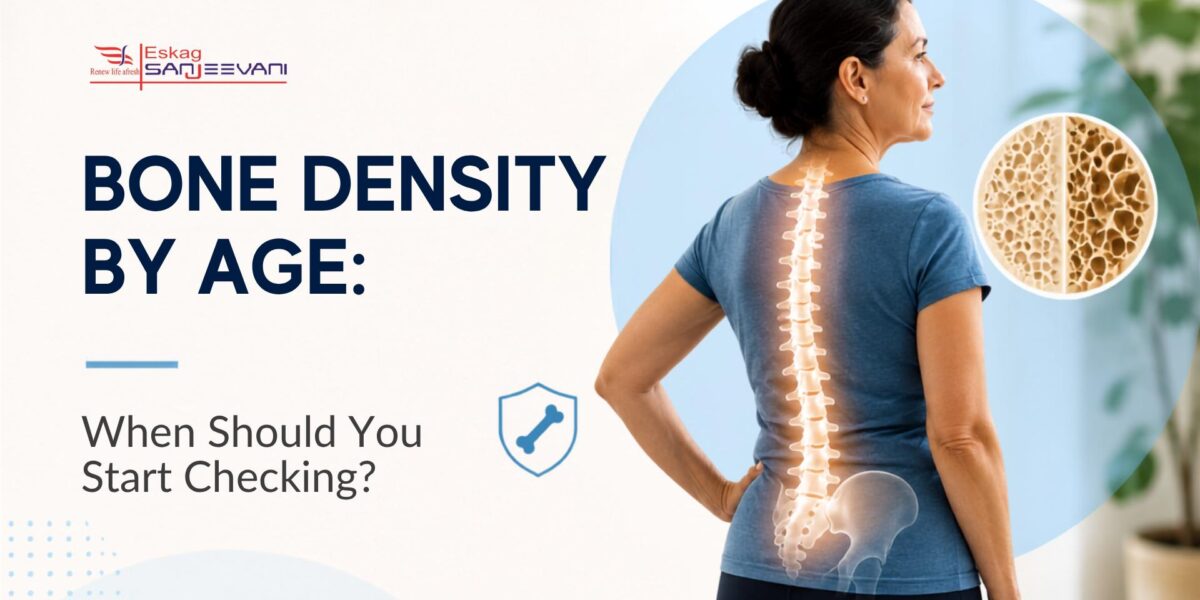
Bone density shows how strong your bones are based on the minerals they contain. As you grow older, your body may not build new bone as quickly as it breaks down older bone, which can gradually lead to weaker bones. This gradual loss can make bones thinner and weaker over time. When the reduction becomes severe, it can lead to osteoporosis that increases the risk of fractures, especially in the hip, spine, and wrist [1].
At What Age Does Bone Density Start Declining?
Bones continuously change throughout life. During childhood and teenage years, the body builds more bone than it loses. Bone strength generally peaks in the early thirties.
After this point, a slow decline in bone density may begin. For many adults, this loss happens gradually and may not cause noticeable symptoms for years. Women often experience a more rapid reduction in bone density after menopause because of hormonal changes. Men can also experience bone loss with ageing, although it usually happens at a slower rate [2].
Bone Density Chart by Age: What to Expect
The exact bone density level usually varies from person to person. Genetics, physical activity, nutrition, and overall health all affect how strong your bones remain over time.
| Age Group | General Changes in Bone Density |
| Childhood to 20s | Bones grow rapidly and gain strength as the body builds its maximum bone mass. |
| Around 30 years | Bone density usually peaks, making this the period when bones are generally strongest [2]. |
| 30 to 50 years | A slow and natural reduction in bone density may begin, although many people have no symptoms [2]. |
| After 50 years | Bone loss often becomes more noticeable, especially among women after menopause, due to reduced oestrogen levels. |
| 65 years and older | The risk of osteoporosis and fractures increases, making regular medical assessment more important. |
This bone density chart by age provides a general understanding, and individual bone health may vary.
When Should You Get a Bone Test?
A bone test, also called a bone density test, may be suggested to measure how strong your bones are and help identify early signs of osteoporosis. The most common recommended test is a dual-energy X-ray absorptiometry scan, which measures bone mineral density.
You may need to discuss a bone test with your doctor if you have:
- Reached the recommended screening age, especially women aged 65 years or older, and men with significant risk factors. The timing of testing may vary depending on your individual health history and fracture risk.
- Experienced a fracture from a minor fall or an injury that would not normally break a healthy bone, as this may indicate underlying bone weakness.
- A family history of osteoporosis or conditions that affect bone health can increase your chances of developing low bone density over time.
- Used steroid medicines for a long period, as prolonged use can interfere with the body’s ability to maintain strong and healthy bones.
- Lifestyle factors such as low physical activity, smoking, or poor nutritional intake may contribute to gradual bone loss.
Also read: How You Can Manage Joint Pain During Winter?
Who Has a Higher Risk of Low Bone Density?
While ageing is a major factor, several other conditions can increase the chances of developing weak bones. Understanding these risks allows individuals to seek advice and make lifestyle changes earlier.
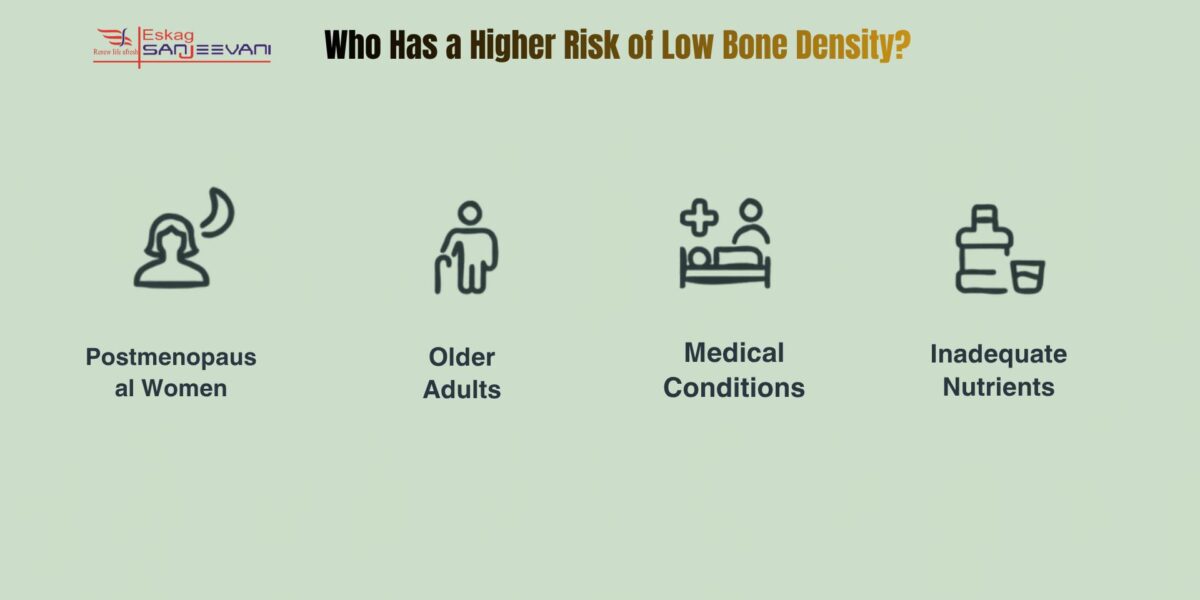
People with a higher risk include:
- Women after menopause, because lower oestrogen levels accelerate the loss of bone tissue and increase the possibility of osteoporosis.
- Older adults whose bodies may absorb calcium less efficiently and produce new bone tissue more slowly with age.
- People with a smaller body frame may have less bone mass available to draw from as they get older.
- Individuals with certain medical conditions or treatments that affect the body’s normal bone rebuilding process.
- Those who consume inadequate amounts of calcium and vitamin D or follow habits that negatively affect bone strength [2].
How to Maintain Healthy Bones as You Age
Although some bone loss is a normal part of ageing, daily habits can make a significant difference in maintaining bone strength.
Eat Food for Healthy Bones
Your diet provides the nutrients required to build and maintain strong bones.
Include:
- Calcium-rich foods such as milk, yoghurt, and leafy green vegetables are important because calcium remains one of the main building blocks of bone tissue.
- Eat foods like fatty fish, salmon, and egg yolks, which contain Vitamin D, and, most importantly, get safe sunlight exposure, which helps the body absorb calcium more effectively [1].
- Protein from sources like pulses, eggs, fish, and lean meat because it supports the structure and repair of bones.
- Fruits and vegetables that provide vitamins and minerals necessary for overall bone health and normal body functions.
- A balanced diet with limited excess salt and highly processed foods, as overall eating habits influence long-term bone strength.
Stay Physically Active
Regular movement sends signals to the body to maintain and strengthen bones.
Helpful activities include:
- Exercises such as walking, dancing, and climbing stairs, which encourage bones to adapt and stay stronger.
- Strength-training exercises that strengthen the muscles supporting bones may help reduce the risk of falls.
- Balance and flexibility activities that improve stability and reduce the risk and chances of injury, especially in older adults.
- Maintaining a consistent exercise routine rather than occasional intense workouts, as long-term habits provide greater benefits.
- Choosing activities suitable for your age and health condition after discussing them with a healthcare professional when required [2].
Good daily habits are a great start, but they cannot fix everything. Sometimes, you need to see a specialist to get the right medical help for your bones.
When Should You See an Orthopaedic Doctor?
Many people with low bone density do not experience symptoms until they develop a fracture. Therefore, it is important to seek medical advice if you notice unexplained back pain, a fracture after a small injury, loss of height, or concerns about your bone health.
If you are looking for the best orthopedic hospital in Kolkata, choosing a centre with experienced specialists and advanced diagnostic facilities can help with early detection and treatment. Eskag Sanjeevani has experienced medical experts who can help determine whether you need a bone test and guide you with the right treatment and preventive measures. Whether it’s the orthopaedic department or geriatric care, we ensure you recover faster.
A Quick Recap
Eskag Sanjeevani never compromises on the patients’ health. You do not need to wait until old age to think about your bone health. Since bone density gradually declines after peaking around age 30, maintaining healthy habits early in life can make a great difference.
A healthy, nutritious diet, exercise, and regular check-ups for people with risk factors can help preserve bone health and reduce the risk of osteoporosis and fractures. If you are worried about your bone strength, consulting an orthopaedic specialist can help you understand your individual risk and the steps you can take to protect your bones.

Microbiologist with over 2 years of experience in medical writing, specialising in evidence-based healthcare content.

Clinical experience in diagnosis, treatment, and evidence-based patient care across a range of conditions.
References
- medlineplus.gov. (2024). Bone Density. [online] Available at:
- Johns Hopkins Medicine (n.d.). Osteoporosis: What You Need to Know as You Age. [online] www.hopkinsmedicine.org. Available at:
Bone density usually starts to decrease after age 30. Regular bone testing is commonly recommended for women aged 65 and older, but people with certain risk factors may need earlier evaluation.
It’s best to avoid foods that are highly processed, canned, or packaged, and to avoid consuming alcohol and high-caffeine foods to help prevent osteoporosis or low bone mass.
In some cases, regular exercise, sufficient intake of calcium and vitamin D, and appropriate medical treatment can help improve or maintain bone density.
Foods for healthy bones include dairy products, leafy vegetables, protein-rich foods, fruits, and other nutrient-rich foods that provide calcium and vitamin D.
No. Although older women have a higher risk, men and younger adults can also develop low bone density because of medical conditions, certain medicines, genetics, or unhealthy lifestyle habits.