

 Medically Reviewed
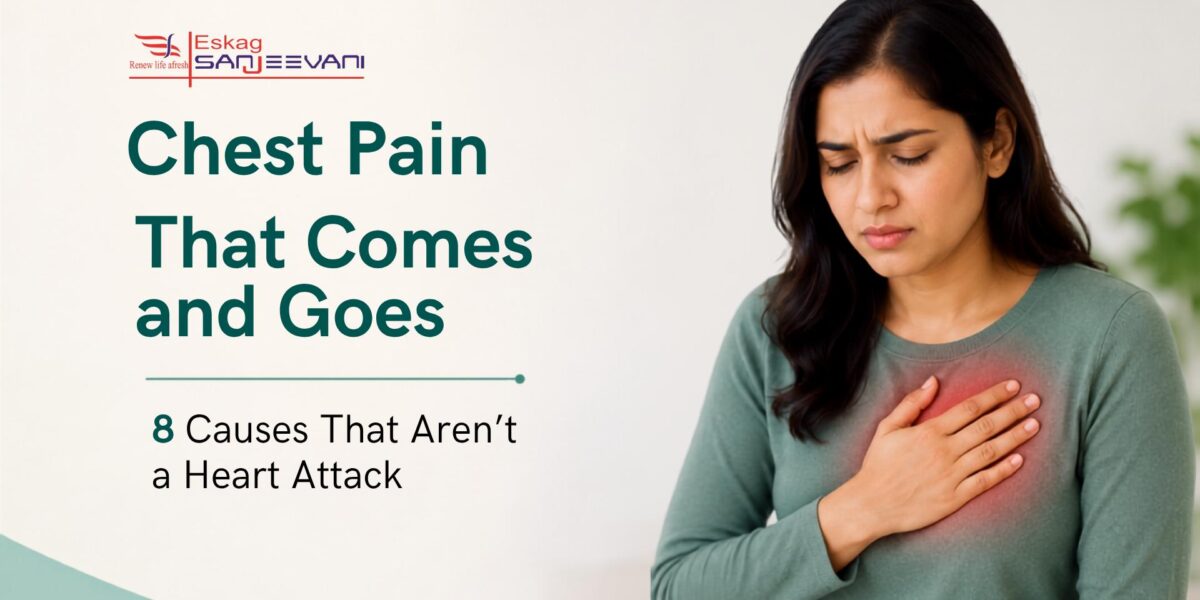
Chest Pain That Comes and Goes: 8 Causes That Aren't a Heart Attack
Chest pain can be alarming. Many people immediately worry about a heart attack when they feel discomfort, tightness, or pain in the chest. However, not every episode of chest pain points to a heart-related emergency.
In many cases, chest pain that comes and goes may develop due to digestive issues, muscle strain, lung conditions, anxiety, or other health concerns. Understanding the possible causes can help you recognise warning signs and decide when medical attention is needed.
Key Takeaways
- Chest pain that comes and goes is not always linked to a heart attack.
- Digestive problems, muscle injuries, anxiety, and lung conditions can all cause intermittent chest pain.
- The location, duration, and triggers of pain often provide important clues about its cause. Symptoms such as breathlessness, dizziness, or pain radiating to the arm require urgent medical evaluation.
Quick Answer: Chest pain that comes and goes may result from reflux, muscle strain, anxiety, or lung issues. See a doctor if symptoms persist.
Why Chest Pain Should Never Be Ignored
Chest pain is one of the most common reasons people seek emergency medical care worldwide.[3] While many cases turn out to be non-cardiac, the symptom itself deserves attention because several organs in the chest can produce pain signals.
The heart, lungs, oesophagus, muscles, ribs, and even psychological factors can contribute to chest discomfort. This is why doctors evaluate chest pain carefully rather than assuming a single cause [2][3].
Before discussing specific causes, it helps to understand how doctors identify chest pain patterns.
How to Identify Chest Pain Based on Its Symptoms
The characteristics of chest pain often provide clues about where it may be coming from.
| Feature | What It May Suggest |
| Burning sensation after meals | Acid reflux or digestive causes |
| Sharp pain that worsens during breathing | Lung or pleural conditions |
| Pain triggered by movement or lifting | Muscle or chest wall strain |
| Tightness with stress or anxiety | Anxiety or panic-related symptoms |
| Pain spreading to the jaw, neck, shoulder, or arm | Possible heart-related cause requiring urgent evaluation |
| Pain with coughing or fever | Respiratory infection or lung involvement |
These patterns cannot confirm a diagnosis, but they often help doctors narrow down possible causes.
Also read: Unexplained Chest Pain? When a Cardiac MRI Is Recommended
Common Non-Cardiac Causes of Chest Pain
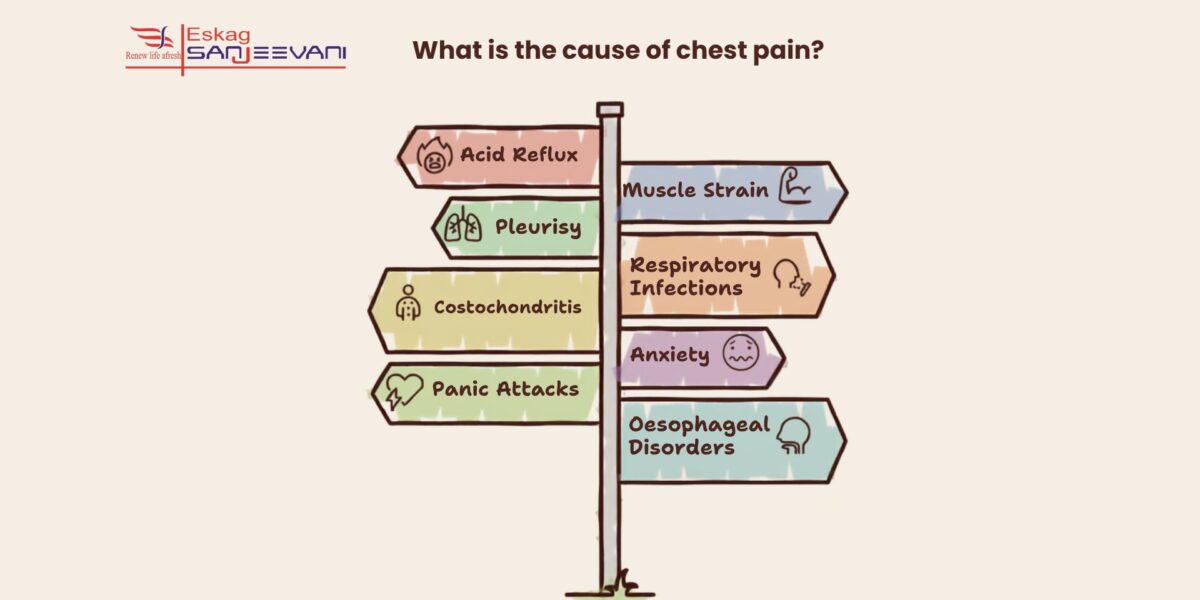
Chest pain that comes and goes is not always related to a heart problem. Several conditions affecting the digestive system, muscles, lungs, and even emotional well-being can cause recurring chest discomfort. Understanding these possible causes can help explain the symptoms, although persistent or unexplained chest pain should always be assessed by a doctor.
1. Acid Reflux
Acid reflux occurs when stomach acid flows back into the oesophagus. This can create a burning sensation behind the breastbone that people sometimes mistake for heart pain.
The discomfort may appear after meals, while lying down, or during the night. Some people also experience a sour taste in the mouth or frequent burping.
Common signs include:
- A burning feeling in the chest that often develops after eating and may worsen when bending forward.
- Symptoms that become more noticeable after spicy, oily, or heavy meals are commonly eaten during celebrations or gatherings.
- Repeated episodes of heartburn that improve temporarily with antacid medication or dietary changes.
- A sensation of food or acid moving upward into the throat, particularly while lying down.
- Mild chest discomfort that comes and goes over several days or weeks rather than appearing suddenly.
2. Muscle Strain or Chest Wall Injury
Chest muscles can become strained after exercise, heavy lifting, repetitive movements, or sudden physical activity. This type of pain often becomes more noticeable when moving the arms, twisting the body, or pressing on the affected area.
Chest pain caused by a muscle strain often starts after exercise, lifting heavy objects, or physical work. The area may feel sore to touch, and the pain can worsen with movement or coughing. It usually improves with rest and stays confined to one part of the chest. While muscle-related pain is usually harmless, persistent symptoms should still be assessed by a doctor.[2]
Not all chest pain originates from the digestive system or chest muscles. In some cases, the lungs or structures surrounding them may be involved.
3. Pleurisy (Inflammation Around the Lungs)
Pleurisy develops when the lining surrounding the lungs becomes inflamed. The pain is often sharp and may worsen during deep breathing, coughing, or sneezing [2]. Pleurisy can cause sharp chest pain that worsens with deep breathing. It often develops after a viral infection and may be accompanied by a cough, fever, or feeling unwell.
4. Respiratory Infections
Chest infections can sometimes cause chest discomfort, especially with frequent coughing. Inflammation from infection may irritate chest tissues and cause pain that comes and goes throughout the day.
Respiratory infections can sometimes cause chest pain, especially when frequent coughing irritates the chest muscles and tissues. The discomfort may occur alongside symptoms such as fever, fatigue, body aches, mucus production, and other cold- or flu-like complaints.
5. Costochondritis
Costochondritis refers to inflammation where the ribs connect to the breastbone. It can cause chest pain that feels surprisingly intense despite not involving the heart.
Costochondritis often causes a sharp or aching pain near the breastbone that comes and goes. The area may feel tender when pressed, and the pain can worsen with certain movements or stretching. Symptoms may affect one side of the chest and can last for days or even weeks.
Physical conditions are not the only explanation. Emotional stress can sometimes trigger very real chest discomfort.+
6. Anxiety
Anxiety can produce chest tightness, rapid heartbeat, sweating, and breathing changes that may feel similar to more serious conditions [1].
Anxiety can sometimes cause chest discomfort, especially during periods of stress or worry. Many people describe it as a feeling of tightness in the chest along with a fast heartbeat. The symptoms often improve as stress levels reduce, but may return during stressful situations.
7. Panic Attacks
Panic attacks can develop suddenly and often create intense chest symptoms.
Many people seek emergency care during their first panic attack because the symptoms closely resemble those of a heart attack [1].
Panic attacks can cause sudden chest pain or pressure, often accompanied by difficulty breathing. Some people may also experience sweating, shaking, dizziness, or an overwhelming sense that something is seriously wrong. These symptoms usually peak within a few minutes and then gradually ease.
8. Oesophageal Disorders
Conditions affecting the oesophagus can also lead to intermittent chest pain. Problems such as oesophageal spasms may create discomfort that resembles heart-related pain [2].
Certain oesophageal disorders can cause chest pain that feels similar to heart-related discomfort. The pain may occur during or shortly after eating, and some people may feel as though food is getting stuck while swallowing. Reflux symptoms often occur alongside the discomfort.
Chest Pain and Heart Attack: How Are They Different?
Although many causes of chest pain are not heart-related, recognising possible heart attack symptoms remains extremely important.
A study published in the National Centre for Biotechnology Information reports that cardiovascular disease remains a leading cause of death globally, highlighting why chest pain should always be evaluated carefully when warning signs are present [3].
| Feature | Non-Cardiac Chest Pain | Possible Heart Attack |
| Duration | May come and go frequently | Often lasts several minutes or longer |
| Trigger | Meals, movement, stress, breathing | Physical exertion may occur at rest |
| Location | Can be localised | Often, central chest pressure |
| Associated symptoms | Heartburn, cough, anxiety, tenderness | Breathlessness, sweating, nausea, dizziness |
| Radiation | Usually limited | May spread to the arm, jaw, neck, or back |
These differences are not always clear-cut. Medical evaluation remains essential whenever symptoms are uncertain [1][2].
When Should You See a General Physician?
Chest pain should never be self-diagnosed, especially if it keeps returning. It is important to consult a doctor and get the right treatment for faster recovery.
You should consult a general physician if:
- Chest pain keeps coming back without any clear reason. It may start affecting your daily routine, work, sleep, or regular activities.
- The symptoms continue for several days even after resting. Simple home remedies or lifestyle changes do not seem to provide relief.
- You have health conditions such as diabetes, high blood pressure, or obesity. Smoking can also increase the risk of serious heart and blood vessel problems.
- The chest pain occurs with breathlessness, dizziness, nausea, or excessive sweating. These symptoms should not be ignored and need medical attention.
- You are not sure what is causing the pain. A doctor can help find the reason and rule out any heart-related problems.
A doctor can review your symptoms, perform a physical examination, and recommend tests if needed to identify the cause.
Final Thoughts
At Eskag Sanjeevani, patients can access comprehensive healthcare services, from initial evaluation to specialised treatment for a wide range of conditions. Experiencing chest pain that comes and goes can be frightening, but it does not always indicate a heart attack. Conditions such as acid reflux, muscle strain, anxiety, respiratory infections, pleurisy, costochondritis, panic attacks, and oesophageal disorders are among the common causes of intermittent chest pain.
At the same time, chest pain should never be ignored. Because heart-related conditions can sometimes present in different ways, seeking medical advice is the safest approach. A timely evaluation by a general physician can help determine the cause and provide appropriate treatment before complications develop.

Microbiologist with over 2 years of experience in medical writing, specialising in evidence-based healthcare content.

Clinical experience in diagnosis, treatment, and evidence-based patient care across a range of conditions.
References
- Fromson, Noah. “When Chest Pain Isn’t a Heart Attack | Michigan Medicine.” Www.michiganmedicine.org, 16 Feb. 2023.
- Mayo Clinic. “Chest Pain – Symptoms and Causes.” Mayo Clinic, 2021.
- Hickam, David H. “Chest Pain or Discomfort.” Nih.gov, Butterworths, 2019.
No. Many cases are linked to digestive problems, muscle strain, anxiety, or lung conditions. However, any unexplained chest pain should be evaluated by a doctor to rule out serious causes.
Pain accompanied by breathlessness, sweating, dizziness, nausea, or discomfort spreading to the arm, jaw, neck, or back requires immediate medical attention. These symptoms may indicate a heart-related problem.
Yes. Anxiety and panic attacks can create chest tightness, rapid heartbeat, and breathing difficulties. These symptoms can closely resemble heart-related chest pain.
Acid reflux is one of the most common causes. Stomach acid moving into the oesophagus can create a burning sensation or discomfort in the chest after meals.
You should consult a doctor if chest pain occurs repeatedly, lasts several days, affects daily life, or is associated with other symptoms such as breathlessness, dizziness, or fatigue.