

 Medically Reviewed
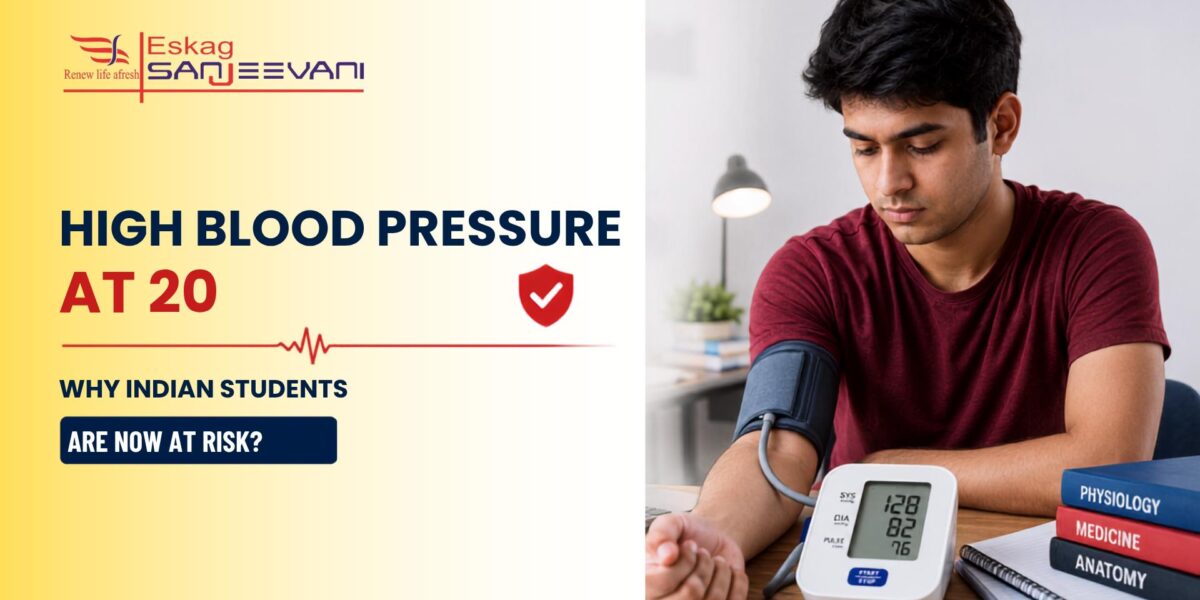
High Blood Pressure in Young Adults: Why Indian Students Are Now at Risk
College life often brings new opportunities, independence, and experiences that excite young adults. At the same time, it can bring in habits that are not always healthy. Long study hours, irregular meals, poor sleep, constant screen time, and academic pressure have become part of daily life for many students.
As a result, high blood pressure in young adults is becoming a serious concern across all over-India. A condition that was once considered common among older adults is now being diagnosed in people in their twenties and even late teens. Many students remain unaware of the problem because hypertension often develops without noticeable symptoms.
Key Takeaways
- High blood pressure in young adults is becoming more common in India due to poor sleep, stress, unhealthy eating habits, obesity, and low physical activity. Many students may have the condition without noticing any symptoms.
- High blood pressure is no longer limited to older adults and is increasingly affecting people in their 20s. Early detection of the same can help in preventing serious health complications in the future.
- Healthy habits such as regular exercise, balanced eating, proper sleep, and stress management can help control blood pressure. Seeking medical advice early can also support better long-term health.
Quick Answer: High blood pressure in your 20s can result from stress, poor diet, obesity, lack of exercise, and poor sleep. Early lifestyle changes can help.
- Why Is High Blood Pressure Rising Among Young Indians?
- What Causes High Blood Pressure in Young Adults?
- Signs and Symptoms of High Blood Pressure
- Why Early Detection Matters
- How to Manage High Blood Pressure
- High Blood Pressure Diet Menu: Healthy Eating Tips for Students
- When Should Students See a Doctor?
Why Is High Blood Pressure Rising Among Young Indians?
Many people still believe that hypertension or high blood pressure is primarily a condition of middle age or older adulthood. However, a recent study shows that younger populations are increasingly affected by elevated blood pressure levels.
Young Indians are now developing high blood pressure much earlier than expected. In fact, a major review reported that about 17.6% of Indians aged 18 to 44 years have hypertension [1]. A busy life can make healthy routines difficult to maintain. Skipping meals, staying up late, spending long hours sitting indoors, and dealing with academic stress may increase the risk over time.
Understanding the factors behind this rise is the first step towards prevention.
What Causes High Blood Pressure in Young Adults?
Hypertension usually develops due to a combination of lifestyle, environmental, and genetic factors. In many cases, there is no single cause.
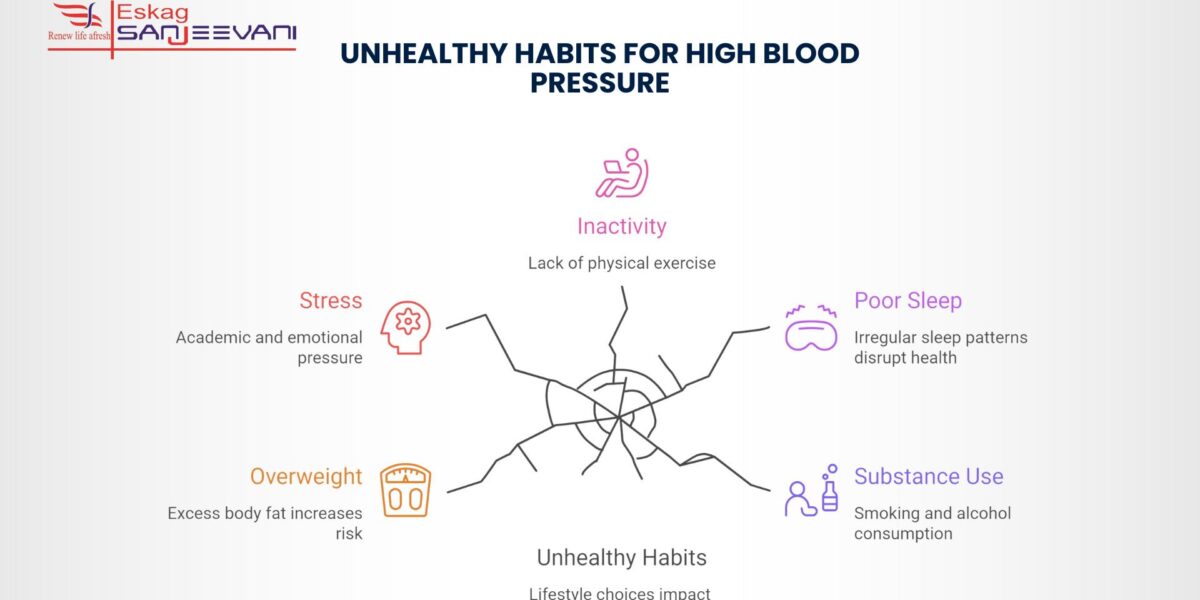
1. Unhealthy Eating Habits
Many students end up eating fast food, instant noodles, packaged snacks, or soft drinks because they fit easily into a busy schedule. Having these foods too often can be a problem, as they usually contain large amounts of salt, unhealthy fats, and extra calories.
Too much salt in daily meals can make the body hold on to more water than it needs. This can increase the pressure inside blood vessels and may raise blood pressure over time [2]. Regular consumption of highly processed foods may therefore increase the risk of hypertension.
2. Being Overweight
Weight gain has become increasingly common among young adults due to reduced physical activity and unhealthy dietary patterns. Excess body weight places additional stress on the cardiovascular system and is strongly associated with higher blood pressure levels.
Recent research suggests that obesity is one of the major risk factors for hypertension among younger populations [1]. Maintaining a healthy weight can therefore play an important role in prevention.
3. Academic and Emotional Stress
Examinations, deadlines, career tension, financial problems, and social pressures can add to the ongoing stress. While stress alone may not directly cause permanent hypertension, it can influence behaviours that increase cardiovascular risk.
People who experience chronic stress may be more likely to eat unhealthy foods, sleep poorly, avoid exercise, or engage in smoking and alcohol consumption. These lifestyle changes can contribute to elevated blood pressure over time [2].
4. Lack of Physical Activity
Many students spend much of their time sitting in classrooms, libraries, or in front of devices. Limited physical movement can negatively affect heart health and increase the likelihood of developing hypertension.
Regular physical activity helps improve blood circulation and blood vessel function, thereby helping control blood pressure. Even moderate exercise performed consistently can provide significant benefits.
5. Poor Sleep Patterns
Late-night studying, social media use, and irregular schedules often prevent students from getting sufficient sleep. Poor sleep quality is often associated with several risk factors, including elevated blood pressure.
When the body does not receive adequate rest, important processes that help regulate blood pressure may be disrupted. Over time, this can lead to long-term health concerns.
6. Smoking and Alcohol Consumption
Some young adults use tobacco or alcohol as a way to cope with stress or social pressures. Unfortunately, both habits can negatively affect blood vessel health and increase cardiovascular risk.
Regular smoking and excessive alcohol intake may increase your blood pressure and the likelihood of future complications. Avoiding these habits can support better overall health.
Signs and Symptoms of High Blood Pressure
One of the biggest challenges associated with hypertension is that it often develops silently. Many young adults with elevated blood pressure may not experience any noticeable symptoms.
However, some individuals may experience:
- Frequent headaches that keep returning without a clear cause can make it difficult to focus on studies or everyday activities. While headaches alone do not mean you have high blood pressure, repeated pains should not be ignored.
- Some people may feel dizzy occasionally, especially after sudden movements or physical activity. If this starts happening more often or affects daily life, it is best to consult a doctor.
- Shortness of breath during routine activities that were previously comfortable may sometimes be a warning sign. Although this can happen for many reasons, ongoing breathlessness should not be ignored.
- Some people may experience mild chest pain, discomfort, or a feeling of tightness from time to time. Any chest-related symptom should be checked by a doctor, especially if it occurs with dizziness, sweating, or breathing difficulties.
- Blurred vision, tiredness, or lower energy levels may sometimes be due to high blood pressure. These symptoms are often overlooked because they can easily be mistaken for stress, lack of sleep, or everyday fatigue.
Because symptoms are often absent or non-specific, regular blood pressure monitoring remains important.
Also read: 10 Common Symptoms of Hypertension Every Indian Should Know
Why Early Detection Matters
High blood pressure in your 20s may not seem like a major concern because complications usually develop gradually. However, uncontrolled hypertension or high blood pressure can damage the blood vessels and important organs over many years.
Studies have shown that high blood pressure increases the risk of heart attack, stroke, kidney disease, and other serious health conditions. Identifying the condition early provides an opportunity to make lifestyle changes before long-term complications develop.
However, many young adults can improve their blood pressure and overall health by adopting a healthy lifestyle.
How to Manage High Blood Pressure
Managing high blood pressure often starts with lifestyle changes. Daily improvements in your routines can help support healthier blood pressure levels and overall well-being. These steps also support your overall heart health and long-term well-being.
- At least do 150 minutes of moderate physical activity each week to support cardiovascular health. Light walking, cycling, swimming, or sports can help improve blood circulation and blood pressure control.
- Try to focus on maintaining a healthy weight and eating light. Even modest weight reduction may contribute to noticeable improvements in blood pressure levels.
- Sleep seven to nine hours each night whenever possible. Good sleep supports many processes that regulate blood pressure and overall health.
- Try to manage stress by spending time doing what you like. Meditate, do yoga, or spend quality time with supportive friends and family. Effective stress management can encourage healthier lifestyle choices.
- Avoid smoking and alcohol consumption, as that too affects your blood pressure levels. Reducing these habits may lower cardiovascular risk and improve long-term outcomes.
High Blood Pressure Diet Menu: Healthy Eating Tips for Students
Busy student life can make healthy eating difficult. Even so, choosing healthier meals, eating a more balanced diet more often, and avoiding junk food can help support better blood pressure levels over time.
| Dietary Habit | How It May Help |
| Eating more fruits and vegetables | Fruits like guavas, apples, and bananas provide fibre, vitamins, and minerals that support overall cardiovascular health. |
| Reducing processed foods | Packaged foods are often high in sodium, which may contribute to elevated blood pressure. |
| Choosing whole grains | Whole grains like oats and barley provide sustained energy and may support better weight management. |
| Including lean protein sources | Foods such as pulses, fish, eggs, and lean meats can support a balanced diet. |
| Limiting sugary drinks | Reducing excess sugar intake may help support a healthy body weight and overall health. |
Healthy eating works best when combined with regular physical activity and other positive lifestyle habits.
When Should Students See a Doctor?
Before assuming that high blood pressure is only caused by stress or a busy lifestyle, it is important to know when professional medical advice may be needed. While occasional fluctuations can happen, consistently elevated readings or certain risk factors should not be ignored.
You should consider medical advice if:
- Your blood pressure remains consistently high even when measured on different days. A doctor can help you to understand whether the readings are temporary or indicate an underlying health concern.
- You have a family history of hypertension, heart disease, diabetes, or stroke. These factors may increase your long-term risk and make regular monitoring even more important.
- Excess weight, unhealthy eating habits, or a lack of physical activity have become ongoing concerns. Professional guidance can help you make realistic lifestyle changes before complications develop.
- Symptoms such as headaches, dizziness, chest discomfort, or shortness of breath occur repeatedly. Even if these symptoms seem mild, they should not be ignored when they affect daily life.
- You have already made lifestyle improvements, but continue to record elevated blood pressure readings. In such situations, further medical evaluation may be needed to identify contributing factors and recommend suitable treatment.
Depending on your condition and problem, your doctor may suggest taking various tests. If it’s a serious heart issue, you may be recommended detailed scans, such as a CT Scan.
Conclusion
High blood pressure in young adults is no longer a rare problem in India. Academic stress, unhealthy eating habits, poor sleep, obesity, and sedentary lifestyles are increasing the risk among students and young professionals alike.
It can often be prevented or managed through timely action. Regular health check-ups, healthy food choices, physical activity, and stress management can all contribute to better cardiovascular health.
If you are concerned about high blood pressure readings or related symptoms, consulting the best general medicine doctor in Kolkata can help identify the cause and guide you toward appropriate treatment. At Eskag Sanjeevani, experienced healthcare professionals provide comprehensive support for preventive healthcare, early diagnosis, and long-term health management.

Microbiologist with over 2 years of experience in medical writing, specialising in evidence-based healthcare content.

Clinical experience in diagnosis, treatment, and evidence-based patient care across a range of conditions.
References
- Geevar, Zachariah, et al. “Prevalence, Awareness, Treatment, and Control of Hypertension in Young Adults (20–39 Years) in Kerala, South India.” Frontiers in Cardiovascular Medicine, vol. 9, 18 Apr. 2022, https://doi.org/10.3389/fcvm.2022.765442.
- Meher, Meghanad, et al. “Risk Factors Associated with Hypertension in Young Adults: A Systematic Review.” Cureus, vol. 15, no. 4, 12 Apr. 2023, https://doi.org/10.7759/cureus.37467.
Yes, high blood pressure can develop during your twenties, and it is becoming increasingly common among young adults. Factors such as obesity, unhealthy diets, stress, poor sleep, smoking, and low physical activity levels can all increase the risk of hypertension.
There is rarely a single cause behind hypertension in younger individuals. Instead, factors such as excess body weight, high sodium intake, chronic stress, lack of exercise, poor sleep habits, smoking, and alcohol consumption often contribute to rising blood pressure levels over time.
Yes, many young adults with hypertension do not experience noticeable symptoms in the early stages. This is one reason why regular health check-ups are important, as elevated blood pressure can remain undetected for years.
A balanced diet for blood pressure management should include fruits, vegetables, whole grains, legumes, lean proteins, and healthy fats. Reducing processed foods and limiting excess salt intake can also support better long-term blood pressure control.
Lifestyle changes play an important role in blood pressure management. Regular physical activity, healthy eating habits, stress management, adequate sleep, maintaining a healthy weight, and avoiding tobacco can all contribute to better cardiovascular health.