

Reducing Added Sugar: What It Means for Heart Health
When people think about cardiovascular health, they often focus on cholesterol, blood pressure, exercise, and smoking. Diet also matters, and one useful area to consider is the amount of added sugar in everyday foods and drinks. Added sugar is found in many familiar foods, including sweets, soft drinks, biscuits, sweetened tea and coffee, packaged snacks, and some breakfast products. Eating too much added sugar can increase overall calorie intake and may contribute to weight gain and other metabolic risk factors associated with cardiovascular disease. However, a heart-healthy diet does not mean eliminating every source of sugar or following a strict “no sugar” diet. Whole fruits, vegetables, and plain dairy foods naturally contain sugars along with other nutrients.
This article explains what happens when you reduce added sugar, how it can fit into a heart-healthy diet, and when medical guidance may be helpful.
Key Takeaways
- Reducing excessive added sugar can be part of a heart-healthy eating pattern.
- Added sugar is different from the naturally occurring sugars found in whole fruits and plain dairy foods.
- Lowering added sugar may help reduce excess calorie intake and support healthy weight and metabolic health.
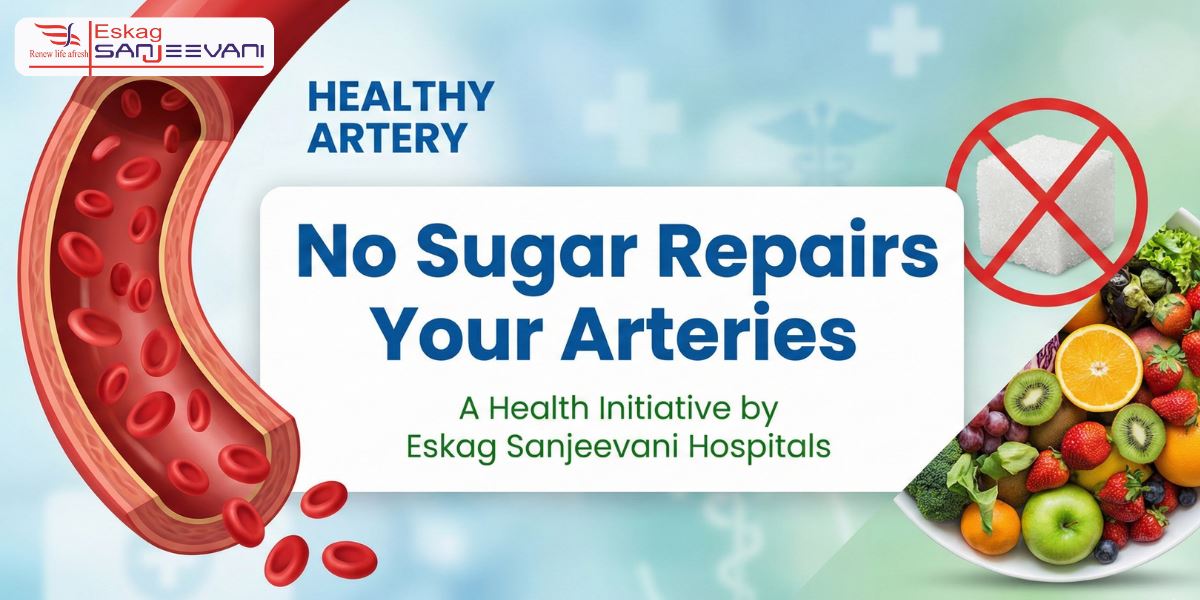
How Does Excess Added Sugar Affect Heart Health?
The relationship between sugar and cardiovascular health is more complex than simply saying that sugar “damages” or “scratches” arteries. Atherosclerosis develops through a combination of processes involving cholesterol-containing lipoproteins, inflammation, blood-vessel biology, blood pressure, smoking, diabetes, and other risk factors[1]. Excess dietary sugar can contribute indirectly to this overall risk profile, particularly when it contributes to excess calorie intake, weight gain, or poor metabolic health.
Regularly consuming large amounts of sugar-sweetened beverages and other foods high in added sugar can make it harder to maintain a balanced diet. In some people, high intake may also be associated with higher triglyceride levels and other cardiometabolic risk factors. Therefore, reducing excessive added sugar can be a useful dietary step, but it should be seen as one part of cardiovascular risk reduction, not a treatment that independently clears or repairs arteries.
What Is a Low-Sugar Diet?
The term “no sugar diet” can be misleading. A more practical approach is to reduce foods and drinks high in added or free sugars while continuing to eat nutritious foods that naturally contain sugar.
The following foods and drinks contain a large amount of added sugar:
- Table sugar
- Sweets and desserts
- Soft drinks and other sugary beverages
- Sweetened tea and coffee
- Biscuits and cakes
- Sweetened breakfast cereals
- Packaged snacks and energy bars
- Sweetened yoghurt and flavoured dairy products
- Sauces containing added sugar
- Syrups and other sweeteners
Whole fruits do not need to be eliminated simply because they contain natural sugar. Whole fruit also provides fibre, vitamins, minerals, and other nutrients. Honey, jaggery, and syrups may sound more natural than table sugar, but they still contribute sugars and calories.
What Can Happen When You Reduce Added Sugar?
No scientifically established Day 1-to-Year 5 arterial repair timeline applies to everyone. The effects of reducing added sugar depend on what a person was eating before, what replaces those foods, overall calorie intake, physical activity, body weight, metabolic health, and other individual factors.
In the Short Term
Replacing sugary drinks and highly sweetened foods with lower-sugar alternatives can reduce overall sugar and calorie intake. For some people, this may make it easier to maintain a balanced diet. Others may notice that their preference for very sweet foods gradually changes as they become accustomed to less sweetness. These changes do not mean that blocked arteries are immediately being repaired. Cardiovascular risk changes over time and depends on multiple factors.
Over the Longer Term
Consistently reducing excessive added sugar may support healthier eating patterns and make weight management easier when it reduces overall calorie intake. For people with excess weight or metabolic risk factors, sustainable improvements in diet, physical activity, and weight management can contribute to better cardiovascular health. Blood tests such as a lipid profile and blood glucose measurements can help doctors assess relevant risk factors when clinically appropriate.
Can Reducing Sugar Lower Cholesterol?
Reducing added sugar can be useful for cardiovascular health, but it should not be described as a direct cholesterol-lowering treatment. A diet high in added sugars may contribute to excess calorie intake and can be associated with higher triglyceride levels, particularly when sugar-sweetened foods and drinks replace healthier foods. For people with high LDL cholesterol, the overall dietary pattern matters. Depending on the individual, doctors and dietitians may recommend increasing fibre-rich foods, choosing healthier unsaturated fats, and reduce saturated & trans fats. It will help maintaining a healthy weight, and staying physically active.
If cholesterol levels remain high despite lifestyle changes, medication may also be recommended based on the person’s overall cardiovascular risk.
Reduced Sugar Benefits on Diabetes and Insulin?
When you eat carbohydrate-containing foods, blood glucose and insulin levels naturally change. These responses are part of normal human metabolism. It is therefore inaccurate to describe every rise in insulin as harmful or to suggest that keeping insulin permanently low is the goal of a healthy diet.
For example, instead of frequently consuming sugary drinks, sweets, or refined snack foods, you can choose meals containing vegetables, pulses, whole grains, protein-rich foods, and whole fruits. People with diabetes may need additional guidance because carbohydrate intake, medication, physical activity, and blood glucose levels interact.
Practical Ways to Reduce Added Sugar
You do not have to change your entire diet overnight.
- Start With Sugary Drinks: Soft drinks, sweetened juices, flavoured beverages, and heavily sweetened tea or coffee can add substantial sugar. Try replacing some of these with the following:
- Water
- Unsweetened tea or coffee
- Plain sparkling water
- Unsweetened buttermilk
- Other low- or no-added-sugar beverages
- Reduce Sugar in Tea and Coffee: If you regularly add several teaspoons of sugar, reduce the amount gradually. This can make the transition easier while allowing your taste preferences to adjust.
- Read Food Labels: Look at the nutrition information and ingredient list on packaged foods. Words such as sugar, syrup, glucose, fructose, sucrose, and other sweeteners can indicate added sugars.
- Choose Whole Fruit More Often: Instead of relying on sweets, desserts, or sugary beverages for sweetness, choose whole fruits such as the following:
- Guava
- Apple
- Orange
- Papaya
- Watermelon
- Berries when available
- Whole fruit provides fibre and other nutrients along with naturally occurring sugars.
- Be Careful With “Healthy” Snacks: Granola bars, breakfast cereals, flavoured yoghurt, protein bars, and packaged drinks can sometimes contain considerable amounts of added sugar.
What Can You Use Instead of Sugar?
You do not necessarily need to replace every sweet food with an artificial or non-sugar sweetener. A useful first step is simply to reduce the overall preference for very sweet foods.
A few alternatives to sugar are tabulated below:
| Option | How It Helps |
| Whole fruit | Adds natural sweetness along with fibre and nutrients. |
| Unsweetened dairy | Pair plain curd or yoghurt with fruit instead of added sugar. |
| Spices | Cinnamon, cardamom, ginger, and vanilla add flavour without sugar. |
| Non-sugar sweeteners | Ingredients such as stevia may help reduce sugar intake for some people. |
Final Thoughts
Reducing excessive added sugar can be a useful step toward a healthier diet, but it is not a standalone treatment for heart disease. There is no proven timeline in which avoiding sugar automatically repairs or clears the arteries. Cardiovascular health depends on a combination of factors, including cholesterol, blood pressure & glucose, body weight and other medical conditions. Rather than aiming for a rigid “no sugar” lifestyle, focus on reducing added sugar, choosing nutritious whole foods, and developing habits that you can maintain for years.
If you have diabetes, high cholesterol, cardiovascular disease, or other risk factors, speak with a qualified healthcare professional before making major dietary or medication changes. Contact Eskag Sanjeevani Hospitals for personalised medical and nutrition guidance.
References
- Rafieian-Kopaei M, Setorki M, Doudi M, Baradaran A, Nasri H. Atherosclerosis: process, indicators, risk factors and new hopes. Int J Prev Med. 2014 Aug;5(8):927-46.
Not necessarily, but moderation is key. A no sugar diet specifically targets added sugars (like sucrose and high fructose corn syrup). However, simple carbohydrates like white bread and white rice turn into glucose very quickly in the body. For the best heart health, we recommend switching to complex carbs like brown rice, oats, and whole grains while following a no sugar diet.
You will feel the difference in energy and mood within 2-3 weeks. However, significant anatomical changes, like the repair of heart arteries and reduction in arterial stiffness, are long-term processes that take months to years of consistent adherence to a no sugar diet.
This is a common myth. While honey and jaggery have some trace minerals, they are still sugar. They spike your blood glucose just like white sugar does. If you are strictly following a no sugar diet to reverse heart risk or diabetes, it is best to limit these natural sugars as well.
For Type 2 diabetes, yes, a no sugar diet combined with exercise and weight loss is often the most effective way to put the disease into remission. By removing the glucose load, you allow your body’s insulin sensitivity to return. We recommend consulting the best diabetes doctor in Kolkata at Eskag Sanjeevani to monitor this process safely.
The verdict is mixed. While they don’t spike blood sugar immediately, some studies suggest they may affect gut bacteria or stroke risk. Natural sugar alternatives like Stevia or monk fruit are generally considered safer options than chemical ones like aspartame for someone on a no sugar diet.
One piece of cake won’t ruin your progress. The danger is falling back into the habit of daily consumption. If you slip up, just get back on the no sugar diet the next meal. Consistency over the long term is what repairs heart arteries, not perfect streaks.