
Laser Skin Treatment: Uses, Safety and What to Expect
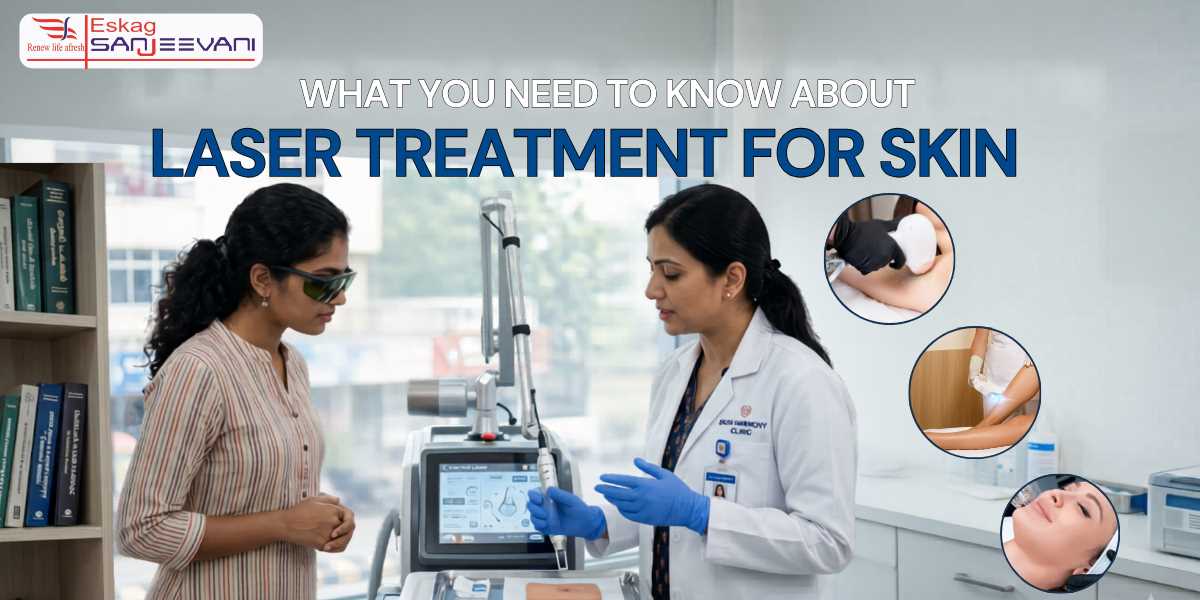
Dermatologists use laser treatments for a range of skin concerns, including acne scars, pigmentation problems, sun-related skin changes, wrinkles, and uneven skin texture. Unlike a single skincare product, laser treatment uses specific wavelengths of light to produce controlled effects. Different devices and settings target different conditions, and the best treatment depends on several factors. Laser treatment can help select patients, but it is not appropriate for every skin condition or every person. A dermatologist should assess the skin before recommending a particular procedure.
This blog explains the uses of laser skin treatments, their outcomes and safety measures.
Key Takeaways
- Laser treatments address several dermatological and cosmetic concerns, but different lasers serve different purposes.
- Treatment safety depends on the device, settings, skin type, medical history, and the treating professional’s expertise.
- Depending on the procedure, temporary redness, swelling, irritation, infection, and other complications can occur.
- Recovery time varies considerably between treatments and individuals.
Is Laser Treatment Safe for Skin?
Laser procedures can be performed safely when selected and performed by qualified dermatologists, but no laser treatment is completely risk-free. Possible effects depend on the treatment type and intensity.
Patients can experience the following effects:
- Redness
- Swelling
- Burning or discomfort
- Temporary changes in skin colour
- Peeling or crusting
- Infection
- Scarring in some circumstances
People with darker skin tones may have a greater risk of certain pigmentary complications after some laser procedures. Appropriate device selection, settings, preparation, and aftercare can help reduce these risks. A dermatologist should consider your skin type, the condition being treated, medications, scarring history, recent sun exposure, and other relevant factors before treatment.
Some laser systems also use cooling mechanisms to improve comfort and help protect the surrounding skin. However, cooling does not eliminate all potential adverse effects.
How Does Laser Skin Treatment Work?
Lasers deliver concentrated light energy to specific areas of the skin. Depending on the device and settings, the energy can do the following:
- Remove controlled layers of skin
- Heat targeted tissue without removing the surface
- Affect pigmentation or blood vessels
- Stimulate changes in collagen and other structural components
Some laser treatments create controlled thermal injury that can stimulate a wound-healing response and subsequent skin remodelling. This may improve the appearance of certain scars, wrinkles, or uneven texture over time. However, improvement varies by person and depends on the condition, laser type, treatment settings, and number of sessions. Laser treatment does not simply “replace” damaged skin with healthy skin, and results are not guaranteed.
When Might Laser Treatment Be Considered?
A dermatologist may consider laser treatment for selected patients with concerns such as the following:
- Certain acne scars
- Some forms of pigmentation
- Sun-related skin changes
- Uneven skin texture
- Accidental scars
- Certain wrinkles or signs of photoaging
- Some vascular or pigmented lesions
Not every mark, scar, pigmentation problem, or skin condition should be treated with a laser. For example, pigmentation can have many different causes. Correctly identifying the condition before treatment is important because some procedures may worsen pigmentation in some individuals.
What Should You Do Before Laser Treatment?
Your dermatologist may recommend specific preparation depending on the procedure.
Common considerations can include the following:
- Sun Protection: Recent tanning or significant sun exposure can affect treatment safety and increase the risk of pigmentation changes.
- Medication and Skincare Review: Tell your dermatologist about:
- Prescription medicines
- Retinoids and other active skincare products
- Previous cosmetic procedures
- Supplements
- A history of cold sores
- Previous problems with scarring or pigmentation
- Skin Assessment: A pre-treatment examination helps determine whether laser treatment is appropriate and which type of procedure may be suitable.
What Happens After Skin Laser Treatment?
Aftercare depends on the procedure. Your dermatologist may recommend the following practices based on your treatment:
- Gentle cleansing
- A suitable moisturiser or prescribed ointment
- Strict sun protection
- Avoiding picking or scratching treated areas
- Temporary avoidance of certain skincare ingredients
- Following activity restrictions when advised
Redness, swelling, warmth, peeling, or sensitivity may occur after some treatments. The recovery period can range from relatively short to several weeks depending on the procedure and how deeply the skin has been treated. There is no universal one- or two-week recovery timeline.
Choosing the Right Laser Treatment
Not all laser treatments work in the same way. They can be broadly grouped into ablative and non-ablative approaches, although many different devices and treatment techniques fall within these categories.
The important question isn’t which type is better, but which fits your specific skin concern and skin type. Here is an explanation:
| Feature | Ablative Laser | Non-Ablative Laser |
| How it works | Removes controlled layers of the skin | Delivers energy into the skin without removing the entire surface |
| Treatment intensity | Generally more intensive | Generally less disruptive to the skin surface |
| Common uses | Selected deeper scars, wrinkles, and textural concerns | Selected pigmentation, texture, and other skin concerns |
| Skin surface | Intentionally disrupted | Generally remains intact |
| Recovery | Often longer | Often shorter, depending on the treatment |
| Results | May produce more substantial remodelling for selected concerns | May provide gradual improvement and may require multiple sessions |
| Suitability | Depends on the condition, skin type, and medical assessment | Depends on the condition, skin type, and medical assessment |
Final Thoughts
Laser treatment has an established role in dermatology for selected skin conditions, but it is not a single treatment that works in the same way for everyone. Different lasers have different mechanisms, benefits, limitations, and risks. Skin type, medical history, the condition being treated, treatment settings, and aftercare can all influence the outcome. If you are considering laser treatment for acne scars, pigmentation, sun damage, wrinkles, or another skin concern, consult a qualified dermatologist first. Eskag Sanjeevani Hospitals provides comprehensive dermatological evaluation and treatment for a range of skin concerns.
Laser treatment for skin is a safe way to fix skin problems, using light beams to gently remove old skin and help new, healthy skin grow back.
There are various precautions that you should take. Avoid sun burn, smoking, certain medications. At Eskag Sanjeevani, our medical experts provide you with detailed plan and will let you know what other precautions to take.
If you face consistent acne problems, marks and pits, uneven skin texture and tone, sun damaged skin and for many other reasons. Consult a dermatologist at Eskag Sanjeevani to understand and know more about your own skin.
Most people say it feels like a rubber band snapping against the skin, and we often use a cooling gel or numbing cream to make sure you stay comfortable. Eskag Sanjeevani especially ensures that the entire process is pain-free and the patient feels comfortable.
You will notice your skin looking smoother and clearer in about one to two weeks, and it will keep getting even better over the next few months as your body grows new collagen.