

 Medically Reviewed
Pelvic Floor Dysfunction After Childbirth in Indian Mothers
Many women expect physical changes after childbirth. Tiredness, body aches, and sleep loss often become part of daily life during the first few months. Yet some symptoms receive far less attention. Urinary leakage, a feeling of heaviness in the vagina, bowel control issues, or discomfort during intimacy are often brushed aside as a normal part of motherhood.
While some changes improve with time, others may point to pelvic floor dysfunction. These symptoms can affect daily activities, confidence, and overall quality of life. Despite how common these concerns are, many Indian mothers hesitate to discuss them or seek medical advice. Pelvic floor disorders affect 11% to 35.5% of women globally, making them a significant but often overlooked health concern, particularly after pregnancy and childbirth [1].
Understanding the warning signs can help women receive support early and prevent symptoms from becoming more severe.
Key Takeaways
- Pelvic floor dysfunction can develop after childbirth due to strain on muscles and tissues that support pelvic organs.
- Symptoms such as urine leakage, pelvic heaviness, and bowel control issues should not be ignored.
- Early treatment, including pelvic floor exercises for women, may improve recovery and daily comfort.
Quick Answer: Pelvic floor dysfunction after childbirth can cause pelvic pressure, bowel changes, and discomfort. Early care may help improve symptoms.
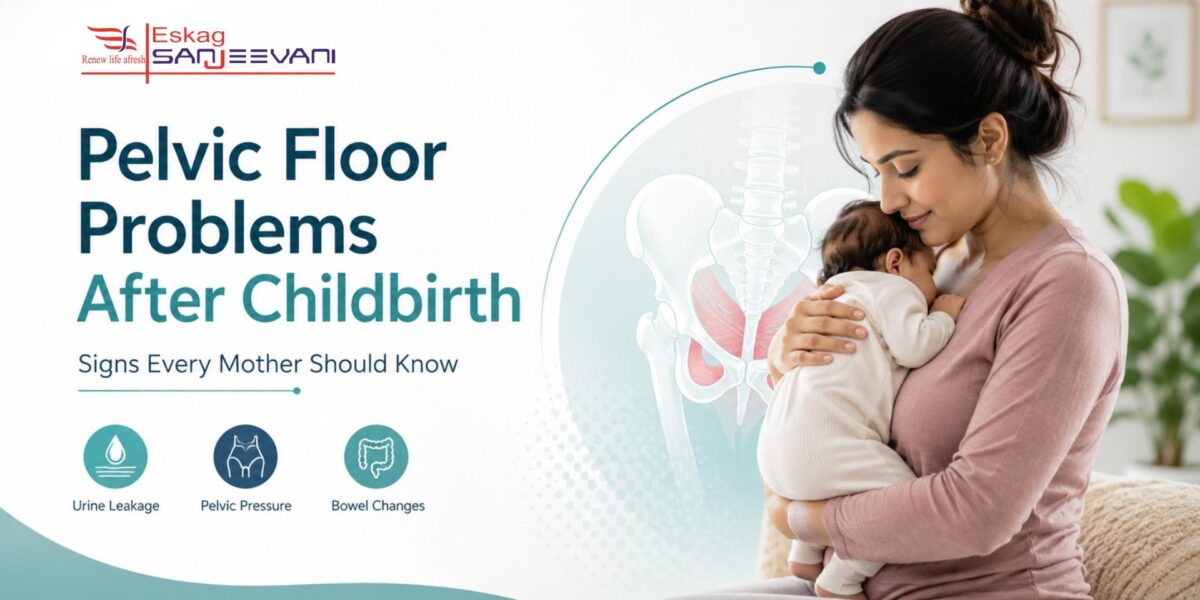
How Childbirth Can Lead to Pelvic Floor Dysfunction
The pelvic floor is a group of muscles and connective tissues at the base of the female pelvis. These structures support the bladder, uterus, and bowel. They also help control urination and bowel movements.
During pregnancy, the pelvic floor carries extra weight for several months. Labour and vaginal delivery can place further pressure on these muscles. In some cases, the tissues stretch beyond their usual capacity. This may weaken support around the pelvic organs and contribute to pelvic floor dysfunction.
A caesarean birth may reduce some risks, but it does not completely prevent pelvic floor problems after pregnancy. Often, pregnancy, too, places significant strain on the pelvic floor [2].
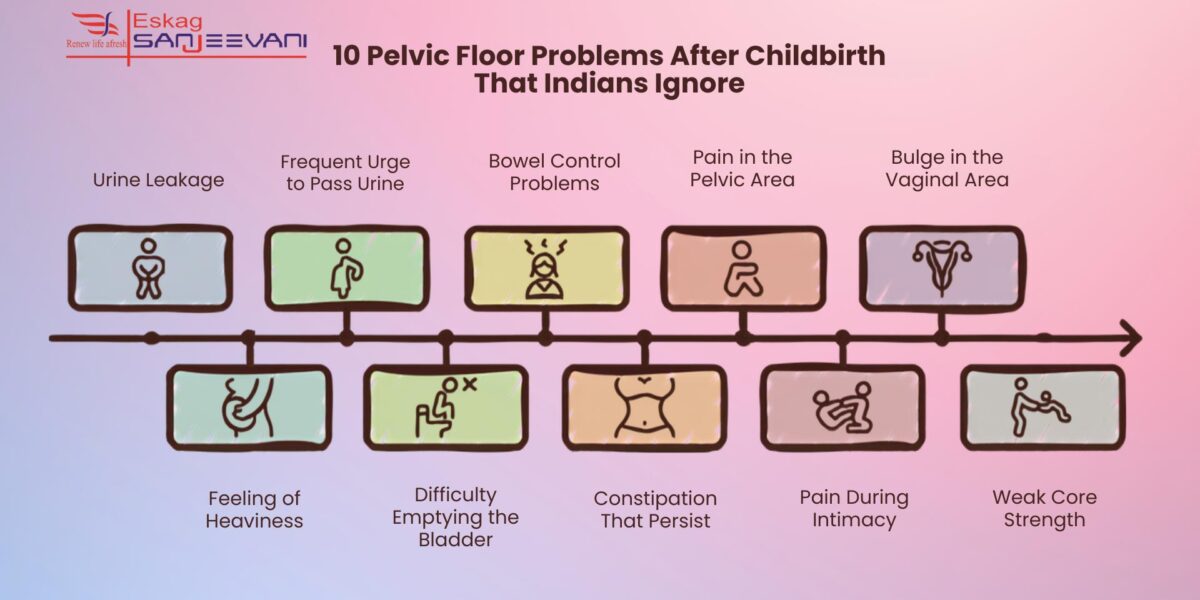
10 Pelvic Floor Problems After Childbirth That Indians Ignore
It is a common assumption that certain symptoms will disappear on their own. While a few symptoms may improve, ongoing problems need attention.
1. Urine Leakage During Daily Activities
Leaks while coughing, sneezing, laughing, or lifting the baby are common signs of pelvic floor dysfunction. This condition is known as stress urinary incontinence. It often occurs because the pelvic floor muscles are unable to provide adequate support to the bladder during sudden increases in abdominal pressure.
2. Feeling of Heaviness
Some women describe a pulling sensation in the lower pelvis. This feeling may become more prominent after standing for a long time due to work or other reasons. Many mothers report that the heaviness deteriorates by the end of the day and improves after resting.
3. Frequent Urge to Pass Urine
An uncontrollable urge to use the toilet, even when the bladder does not feel full, may indicate changes in pelvic floor muscle function. This symptom can interfere with daily activities and may make it difficult to reach the toilet in time.
4. Difficulty Emptying the Bladder
Some mothers feel that water remains in the bladder even after urination. This symptom may occur when pelvic floor muscles do not coordinate properly. In some cases, women may need to strain or return to the toilet shortly after urinating.
5. Bowel Control Problems
Difficulty controlling gas or bowel movements can occur after childbirth. Although several women feel embarrassed by these symptoms, medical advice can help. Early assessment can identify the cause and improve quality of life through appropriate treatment.
6. Constipation That Persists
Pelvic floor dysfunction may affect the muscles involved in bowel movements. As a result, some women struggle with constipation even after dietary changes. They may also experience excessive straining or a feeling of incomplete bowel emptying.
7. Pain in the Pelvic Area
Ongoing discomfort around the pelvis should not be dismissed as a normal postpartum symptom, especially when it affects routine activities. The pain may be mild or severe and can occur during walking, sitting, or physical activity.
8. Pain During Intimacy
Some women expect discomfort during intimacy after a few weeks of childbirth. But continued pain happens when the pelvic floor has not fully recovered after delivery. Persistent symptoms should be discussed with a healthcare professional rather than ignored.
9. A Bulge in the Vaginal Area
A visible or noticeable bulge may indicate pelvic organ prolapse. This condition develops when pelvic organs move from their usual position due to weakened support. Women may also experience pressure, discomfort, or a sensation that something is protruding from the vagina.
10. Weak Core Strength
Some women notice difficulty with posture, balance, or abdominal strength after childbirth. In some cases, pelvic floor weakness may contribute to these concerns. Since the pelvic floor works closely with the abdominal and back muscles, weakness in one area can affect overall stability and movement.
After getting to know what are 10 pelvic problems, let’s understand why childbirth also affects the female pelvis.
Why Childbirth Affects the Female Pelvis
Pregnancy and labour place significant stress on the female pelvis. Factors that can increase the risk of pelvic floor dysfunction after childbirth are discussed below.
Here is a tabular representation to understand the risk factors with the timeline to evaluate pelvic floor dysfunction.
| Timeline/Stage | Risk Factors | How It May Affect the Pelvic Floor |
| First Trimester (Weeks 1-12) | Multiple pregnancies | Repeated stress may weaken pelvic support over time. |
| Second Trimester (Weeks 13–26) | Chronic strains | Excessive intra-abdominal pressure due to lower progesterone levels and bowel movements increases muscle weakness, |
| Third Trimester (Weeks 27–40+) | Large baby | Places additional strain on pelvic support tissues. |
| Labor & Delivery (Intrapartum) | Prolonged labour | Can increase pressure on pelvic structures. |
| Labor & Delivery (Intrapartum) | Forceps or assisted delivery | May raise the risk of muscle and nerve injury. |
| Labor & Delivery (Intrapartum) Risk Factors: Vaginal delivery | Vaginal delivery | May stretch pelvic floor muscles and connective tissues. |
A recent study found that constipation during pregnancy was linked to a 55% higher risk of pelvic floor muscle weakness after delivery, making it a critical factor for postpartum recovery [3].
Also read: Understanding Women’s Health: Comprehensive Gynecological Care at Eskag Sanjeevani.
Pelvic Floor Exercises for Women After Delivery
Pelvic floor recovery often requires more than simply waiting for symptoms to improve. The following exercises can help someone suffering from such a condition.
1. Pelvic Floor Muscles Contraction
Most women are unsure whether they perform pelvic floor exercises correctly. Proper technique plays an important role in recovery. Learning to identify and engage the right muscles can improve the effectiveness of these exercises and support long-term pelvic health.
2. Start Gradually
Take baby steps even while exercising. Excessive strain on the body after delivery may worsen the symptoms. A gradual return to physical activity allows the muscles and tissues adequate time to heal and regain strength.
3. Focus on Breathing
Breath control and pelvic floor muscle activity work together. A healthcare professional can explain the correct approach. Coordinating breathing with exercise may help reduce unnecessary tension and improve muscle function.
4. Maintain Healthy Bowel Habits
Constipation may cause extra pressure on the pelvic floor. Adequate fibre and fluid intake may help reduce strain. Establishing regular bowel habits can also support recovery and prevent further weakening of the pelvic floor muscles.
5. Physiotherapy When Needed
Pelvic floor physiotherapy can help women who continue to experience symptoms despite home exercises. A trained physiotherapist can assess individual concerns and create a personalised treatment plan.
Here is the Kegel exercise guidance table to help strengthen your pelvic floor muscles.
| Parameter | Beginner (Weeks 1–4) | Intermediate (Weeks 5–8) | Ongoing Maintenance |
| Hold duration | 3.-5 seconds | 5-10 seconds | 10 seconds |
| Repetitions per set | 8-10 | 10-12 | 12–15 |
| Sets per day | 3 sets | 3-4 sets | 3–4 sets |
| Rest between reps | 5 seconds | 5-10 seconds | 10 seconds |
| Frequency | Daily | Daily | 5 days per week |
| Position | Lying down | Sitting or standing | Any position |
Clinical note: After or during the exercise, if you find worsening symptoms, stop immediately and seek proper physiotherapy.
When Should You See a Specialist?
Many women wait months or even years before discussing pelvic floor concerns. Early treatment can help identify the cause and guide appropriate treatment. Eskag Sanjeevani has the best team of gynaecologists in Kolkata who not only diagnose pelvic floor disorders but also provide personalised care plans to help women regain comfort, confidence, and quality of life after childbirth.
You should consider medical advice if:
- Urine leakage continues beyond the early recovery period.
- Pelvic pressure affects daily activities.
- A vaginal bulge becomes noticeable.
- Bowel control problems persist.
- Pain interferes with intimacy or daily movement.
Wrapping Up
Mostly, women focus on their baby’s health after delivery and often put their own concerns aside. As a result, symptoms such as urine leakage, pelvic heaviness, or bowel changes may go unnoticed or remain unspoken for months. While these problems are common after childbirth, they should not be accepted as a part of recovery.
Pelvic floor exercises for women, lifestyle changes, and medical care can often improve symptoms. If pelvic floor problems after pregnancy continue to affect your daily routine, it is worth speaking with a healthcare professional rather than waiting for them to settle on their own.

Microbiologist with over 2 years of experience in medical writing, specialising in evidence-based healthcare content.

Clinical experience in diagnosis, treatment, and evidence-based patient care across a range of conditions.
References
- Mittal, Ankur, et al. “Female Pelvic Floor Disorders in Northern India: Uncommon or Underreported?” Cureus, 22 Nov. 2024,
- Cleveland Clinic. “Pelvic Floor Dysfunction | Cleveland Clinic.” Cleveland Clinic, 2017, my.clevelandclinic.org/health/diseases/14459-pelvic-floor-dysfunction.
- Gao, Qian, et al. “Pelvic Floor Dysfunction in Postpartum Women: A Cross-Sectional Study.” PLoS ONE, vol. 19, no. 10, 3 Oct. 2024, pp. e0308563–e0308563,
Mild symptoms may improve with time, but persistent symptoms often require medical evaluation and targeted treatment.
Temporary leakage can occur after delivery. However, symptoms that continue for several months should be assessed by a healthcare professional.
Urine leakage, pelvic heaviness, bowel control issues, pelvic pain, and discomfort during intimacy are among the most common symptoms.
The ideal timing varies based on recovery and type of delivery. A healthcare professional can provide personalised guidance.
A caesarean birth may reduce some risks, but pregnancy itself can still affect pelvic floor muscles and support structures.