
Understanding Women’s Health: Complete Gynaecological Care
Women’s health changes throughout life. Menstrual concerns during adolescence & adulthood, pregnancy & maternity care, and conditions affecting reproductive health may all require different types of medical support. Regular contact with a healthcare professional provides an opportunity to discuss symptoms, reproductive goals, preventive care, and individual risk factors. However, not every woman needs the same tests or screening schedule. Providers generally select preventive services based on age, symptoms, medical and family history, reproductive plans, and other risk factors.
This guide explains common women’s health concerns, diagnostic approaches, treatment options and the role of preventive gynaecological care.
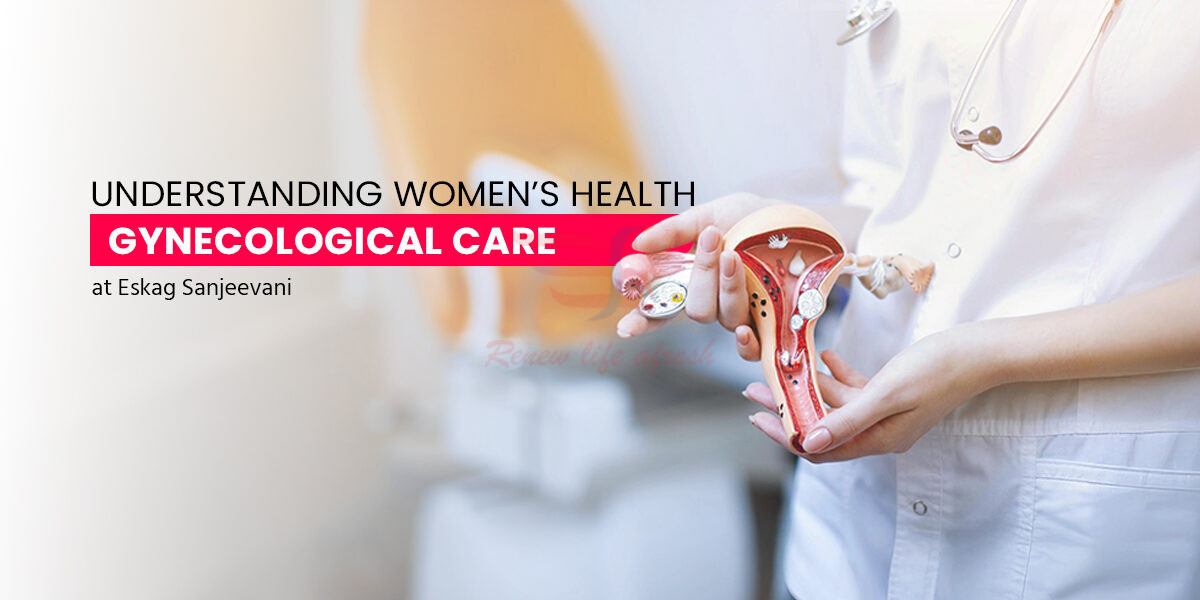
Introduction to Women’s Health and Gynecological Care
Women’s health needs can change considerably from puberty through the reproductive years, pregnancy, perimenopause and postmenopause. A well-woman or gynaecological visit can provide an opportunity to discuss menstrual patterns, contraception, child planning, menopause symptoms and other concerns. It can also be used to review recommended preventive services and vaccinations when appropriate. A gynaecological consultation does not automatically mean that a pelvic examination, ultrasound or blood test is required. The need for a particular examination or investigation depends on symptoms, medical history, age, reproductive plans and individual risk factors.
Why Regular Gynaecological Care Matters
Periodic women’s health visits can help you with the following:
- Discuss new or prolonged symptoms
- Review menstrual and reproductive health
- Discuss contraception and pregnancy planning
- Assess fertility concerns when appropriate
- Review recommended preventive screening
- Discuss menopause-related symptoms
- Address sexual or pelvic health concerns
- Review personal and family risk factors
- Receive vaccinations or preventive counselling when indicated
Visit timing and services can vary by individual. A routine visit should not be confused with a requirement for the same tests every year [1].
Common Women’s Health Issues and Their Management
Menstrual Health
Changes in menstrual patterns are common, but prolonged or significant changes require evaluation.
Here are a few common concerns:
- Irregular periods
- Heavy menstrual bleeding
- Painful periods
- Bleeding between periods
- Absent periods
- Changes in menstrual pattern around perimenopause
Possible causes vary and may include hormonal or ovulatory disorders, uterine fibroids, adenomyosis, endometriosis, pregnancy-related causes, thyroid disorders and other conditions. Treatment depends on the underlying cause. Depending on the situation, management may include medicines, hormonal treatment, treatment of an underlying condition or procedures.
PCOS and Hormonal Health
Polycystic ovary syndrome (PCOS) is a common condition involving reproductive, hormonal and metabolic features. Symptoms can include irregular menstrual cycles, signs of androgen excess such as excess facial or body hair or acne, and difficulties with ovulation or fertility. Not every woman with PCOS has the same symptoms [2].
Importantly, PCOS is not diagnosed simply because an ultrasound shows ovarian cysts.
For adults, the 2023 international evidence-based guideline uses a diagnostic approach based on two of three features: hyperandrogenism, ovulatory dysfunction and polycystic ovarian morphology or an appropriate alternative assessment such as AMH, after other causes have been considered. In adults with both irregular cycles and hyperandrogenism, ovarian ultrasound or AMH is not required for diagnosis [3]. This means an ultrasound may contribute to assessment in selected patients, but it is not a standalone test for PCOS.
Management is also individualised. Depending on symptoms and goals, treatment may address menstrual irregularity, androgen-related symptoms, metabolic risk, fertility or psychological wellbeing. Lifestyle measures can form part of care, but there is no single treatment plan suitable for every woman with PCOS [3].
Pregnancy and Maternity Care
Pregnancy requires care that changes according to the stage of pregnancy and the health of the mother and baby.
Prenatal care may include the following measures:
- Routine maternal health assessments
- Blood pressure and other clinical monitoring
- Recommended laboratory tests
- Ultrasound when clinically indicated
- Screening for conditions such as gestational diabetes or anaemia
- Assessment of fetal growth and wellbeing when appropriate
Women with conditions such as diabetes, hypertension, previous pregnancy complications or other health concerns may require additional monitoring. Postnatal care is also important.
Gynecological Infections and Pelvic Health
Reproductive health symptoms can have several causes, as follows:
- Vaginal discharge
- Itching or irritation
- Bacterial vaginosis
- Candidiasis
- Sexually transmitted infections
- Pelvic pain
- Pain during intercourse
- Urinary or vulvovaginal symptoms
Symptoms alone do not always identify the underlying cause. Depending on the presentation, a doctor may recommend an examination, laboratory testing or other investigations.
Good hygiene can support overall genital health, but excessive washing or fragranced products can sometimes cause irritation.
Diagnostic and Treatment Services
Gynaecological tests are selected based on symptoms, medical history, age, and individual risk, rather than used routinely for every woman.
Ultrasound
Pelvic ultrasound can assess the uterus and ovaries to investigate conditions such as fibroids, ovarian masses and other pelvic abnormalities. It may support PCOS assessment in selected adults, but ultrasound alone does not diagnose PCOS.
Cervical Cancer Screening
Cervical screening may involve HPV testing, cervical cytology or other guideline-supported methods. The recommended starting age and screening interval depend on the screening programme and individual circumstances.
Blood Tests
Hormonal and other blood tests may be considered for concerns such as irregular periods, suspected thyroid disorders, fertility issues, menopause-related symptoms or anaemia. A routine hormonal panel is not necessary for every woman.
Colposcopy and Hysteroscopy
- Colposcopy: Examines the cervix more closely, often after an abnormal screening result.
- Hysteroscopy: Examines the inside of the uterus and may help investigate abnormal bleeding or suspected uterine abnormalities.
These procedures are performed when clinically indicated, not as routine tests for everyone.
Lifestyle Measures That Support Women’s Health
Here are a few lifestyle measures that you can follow for better health:
1. Eat a Balanced Diet
A varied diet containing vegetables, fruits, whole grains, pulses, protein sources, nuts and other nutrient-rich foods can support overall health. Women with heavy menstrual bleeding may be at risk of iron deficiency, but iron supplementation should be based on individual assessment. Women planning pregnancy should also discuss folic acid supplementation with their gynaecologist.
2. Stay Physically Active
Regular physical activity supports cardiovascular health, bone health, muscle strength and general wellbeing. For women with PCOS, physical activity can also form part of broader lifestyle management. However, exercise should not be presented as a universal treatment for hormonal disorders. The type and amount of activity can be adapted to age, fitness, pregnancy status, medical conditions and personal preferences.
3. Support Sleep and Mental Wellbeing
Sleep needs vary by individual and life stage. Maintaining a consistent sleep routine, addressing sleep problems and seeking support for ongoing stress, anxiety or low mood can contribute to overall wellbeing. Meditation, breathing exercises and mindfulness may help some people manage stress, but they should complement appropriate medical or psychological care when a health condition is present.
Final Thoughts
Women’s health care is not about completing as many tests as possible. It is about identifying the right concerns, investigations and preventive measures for you. Regular contact with a healthcare professional provides an opportunity to discuss symptoms, reproductive goals, and age-appropriate preventive care. Screening recommendations can change with age, risk factors, and national guidelines, so avoid relying on a fixed checklist for every stage of life.
At Eskag Sanjeevani Hospitals, women can access gynaecology, obstetric, diagnostic and related services based on their individual healthcare needs. The most useful step is to seek appropriate medical advice when something changes, follow recommended care, and ask questions about why a particular test or treatment is recommended.
References
- Clark AM, Long MC, Magnusson BM. Barriers to Routine Gynecological Care in Young Adult Females in the United States. Women’s Health Rep (New Rochelle). 2025 May 19;6(1):586-598. doi: 10.1089/whr.2025.0015.
- Hoeger KM, Legro RS, Welt CK. A patient’s guide: polycystic ovary syndrome (PCOS). J Clin Endocrinol Metab. 2014 Jan;99(1):35A-36A. doi: 10.1210/jc.2014-v99i1-35A.
- Teede HJ et al. Recommendations From the 2023 International Evidence-based Guideline for the Assessment and Management of Polycystic Ovary Syndrome. J Clin Endocrinol Metab. 2023 Sep 18;108(10):2447-2469. doi: 10.1210/clinem/dgad463.
Women should visit a gynecologist in Kolkata at least once a year for regular checkups, screenings, and preventive care. Eskag Sanjeevani is one of the best gynecology hospitals in Kolkata where you can get the best and experienced gynaecologists.
Eskag Sanjeevani has some of the best lady gynecologist in Kolkata, offering expert care for all gynecological conditions.
Irregular periods, excessive facial hair, weight gain, and acne are common symptoms. PCOS treatment includes lifestyle changes and medication. Contact our gynaecologist doctor to get best treatment for PCOS/PCOD. It is always better to do the prevention when it comes to PCOS treatment. Don’t neglect your PCOS symptoms and contact the best gynecology hospital in Kolkata– Eskag Sanjeevani.
Treatment includes hormonal therapy, pain management, and diet modifications to regulate cycles and reduce discomfort.
Eskag Sanjeevani is known for affordable gynecology care, offering quality treatment at reasonable costs. Now, we offer you online consultancy every day.
Severe cramps, excessive bleeding, and high blood pressure are warning signs that require immediate medical attention at a gynecology hospital.
Hormone replacement therapy (HRT), dietary changes, and lifestyle adjustments help manage menopause symptoms.
Eskag Sanjeevani is recognized as the best hospital for gynecology, providing top-notch care for women’s health issues.
A checkup includes a physical examination, pelvic exam, Pap smear, ultrasound, and hormonal tests if necessary.
Regular exercise, a nutrient-rich diet, stress management, and proper sleep contribute to better reproductive health.
Eskag Sanjeevani is the best hospital for gunecology in Kolkata, offering comprehensive gynecological care with modern treatments and expert specialists.