

Fissure and Fistula: Symptoms, Treatment and Recovery
Rectal pain, bleeding, swelling or discharge can make everyday activities uncomfortable and difficult to discuss. Two conditions that are sometimes confused are anal fissures and anal fistulas. Although both affect the area around the anus, they are different conditions and require different approaches to diagnosis and treatment. An anal fissure is a tear in the lining of the anus, while an anal fistula is an abnormal tunnel connecting the anal canal or rectum with the skin near the anus. Understanding the difference can help you seek appropriate medical assessment rather than assuming that every anal symptom requires surgery.
This blog helps you understand the difference between the two conditions, their symptoms and treatments.
Highlights
- Anal fissures and fistulas are different conditions.
- Acute fissures may heal with conservative treatment. Chronic fissures may require medicines or procedures when symptoms persist.
- Fistula treatment depends on its anatomy, location and sphincter involvement. Laser techniques may suit selected fistulas.
- No procedure can guarantee zero risk of complications.
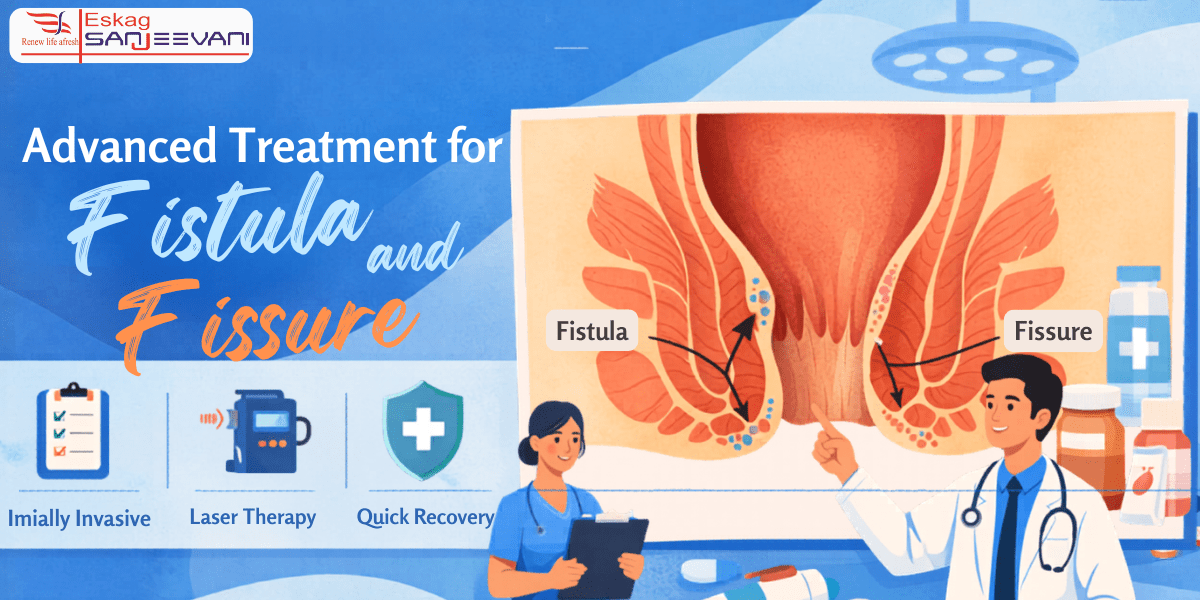
Fissure vs Fistula: What Is the Difference?
Before we dive into the surgical solutions, it is vital to clear up a common confusion. Many patients use these terms interchangeably, but they are biologically distinct.
The key differentiators between the two are tabulated below:
| Condition | What It Is | Common Effect |
| Anal fissure | A tear in the anal lining | Sharp pain and bleeding during bowel movements |
| Anal Fistula | An abnormal tunnel between the anal canal and skin | Recurrent swelling, drainage or an external opening |
Anal Fissure
An anal fissure is usually a small tear in the anal canal lining. It commonly occurs after passing hard stools or during constipation, although other factors can contribute.
Typical symptoms of anal fissure include the following:
- Sharp pain during bowel movements
- Burning or pain afterwards
- Bright-red bleeding
- Spasm or discomfort around the anus
Anal Fistula
An anal fistula is an abnormal connection between the anal canal or rectum and nearby skin. It can develop after an anal abscess, particularly when an abnormal tract remains after the infection has drained.
Symptoms of anal fistula include the following:
- Recurrent swelling
- Pus or other drainage
- Skin irritation
- Discomfort around the anus
- Repeated abscesses
The symptoms and anatomy need medical assessment before treatment is selected.
When Does an Anal Fissure Need Treatment?
Many acute anal fissures improve with conservative measures.
The following practices are included in a standard treatment plan:
- Increasing dietary fibre
- Adequate fluid intake
- Stool-softening measures when appropriate
- Warm sitz baths (warm-water soak to relieve rectal pain)
- Medicines prescribed to reduce pain or relax the anal sphincter
A fissure that persists or repeatedly returns may require further treatment.
Chronic Anal Fissures
Chronic fissures can involve increased tension in the internal anal sphincter, which may impair healing. Many patients receive medical treatment before surgery [1]. If symptoms continue despite appropriate medical treatment, or if the fissure is particularly troublesome, a proctologist or a colorectal surgeon can discuss procedural options.
Fissure Surgery
One surgical option is lateral internal sphincterotomy (LIS), which involves dividing a portion of the internal anal sphincter to reduce pressure and promote healing. LIS can be highly effective for appropriately selected patients, but it is not automatically required for every chronic fissure.
The decision to perform fissure surgery depends on the following factors:
- Duration and severity of symptoms
- Response to medical treatment
- Previous treatments
- Anal sphincter function
- Risk factors for continence problems
- Individual patient circumstances
Laser Treatment for Fissures
Laser-based techniques have been explored for selected anal fissure cases. However, the suitability and effectiveness of any laser procedure depend on the specific technique, patient and clinical circumstances. It should not be presented as automatically safer, faster or more effective than established treatments for every patient. A colorectal or general surgeon can explain the available options after assessing the fissure.
Fistula Treatment: Why Anatomy Matters
Unlike an uncomplicated acute fissure, an established anal fistula generally requires assessment for definitive treatment.
The treatment approach depends on the following parameters:
- Fistula location
- Length and course of the tract
- Whether the sphincter muscles are involved
- Previous procedures
- Presence of active infection or abscess
- Simple versus complex fistula anatomy
A fistula does not necessarily become progressively more complex in every untreated patient, but chronic fistulas can cause recurrent drainage or abscess formation and therefore warrant appropriate medical evaluation [2].
Fistula Surgery
Several procedures may be used to treat an anal fistula, as follows.
- Fistulotomy: Fistulotomy opens the fistula tract so it can heal from the inside outward. It may be appropriate for selected fistulas where dividing the involved tissue does not create an unacceptable risk to continence.
- Seton Placement: A seton (thin surgical thread, silk, or soft rubber) may be placed through a fistula tract in selected patients, particularly when the tract involves significant portions of the anal sphincter.
- Sphincter-Preserving Procedures: Depending on the anatomy, surgeons may consider procedures designed to treat the fistula while limiting damage to the anal sphincter.
What Is Laser Surgery for Fistula?
One minimally invasive approach is FiLaC (Fistula-tract Laser Closure). During the procedure, a laser fibre is introduced into the fistula tract and energy is used to treat the tract from within. Laser treatment may offer a sphincter-preserving option for selected patients, but outcomes vary with fistula complexity, anatomy, and other clinical factors. Evidence comparing laser closure with established fistula procedures is still developing [3].
A few benefits of laser fistula surgery are given below:
- Limit deliberate cutting of the sphincter
- Avoid a larger open wound in some cases
- Offer an alternative to selected conventional procedures
- Allow treatment through a relatively small access point
Importantly, laser treatment does not mean that the risk of bowel-control problems is completely eliminated.
Recovery After Fissure or Fistula Treatment
Recovery depends on the procedure, wound-healing process, fistula complexity and your overall health. No universal recovery timeline fits every patient.
Here is a summary of the recovery time for both conditions:
| Treatment | Recovery Considerations |
| Fissure surgery | Pain often improves after treatment, but soreness may continue for a while. |
| Fistulotomy | Healing can take several weeks because the wound heals gradually. |
| Seton placement | Recovery depends on the fistula and whether you plan further treatment. |
| Laser fistula treatment | Smaller wounds may support recovery, but outcomes vary by fistula complexity. |
For anal fissure surgery, studies show that lateral internal sphincterotomy generally has high healing rates, although complications such as continence changes can occur in some patients.
For fistula treatment, recovery and healing rates vary substantially according to fistula anatomy and procedure. Evidence on laser closure suggests that it can be a sphincter-preserving option for selected patients, but recurrence remains possible, and results vary between studies.
Final Thoughts
Anal fissures and fistulas can cause significant pain, bleeding, swelling or discharge, but they are different conditions and should not be treated in the same way. Many acute fissures improve with conservative or medical treatment, while chronic fissures may require a procedure. Anal fistulas generally need assessment to determine the most appropriate treatment, particularly when the fistula involves the anal sphincter.
Laser techniques such as FiLaC may be an option for selected fistulas, but they do not guarantee faster healing or eliminate the risk of complications. Treatment decisions should consider the fistula’s anatomy, complexity and the patient’s individual circumstances.
If you experience pain, bleeding, swelling or discharge, appropriate medical evaluation can help establish the cause and identify suitable treatment options. At Eskag Sanjeevani Hospitals, patients can access evaluation and treatment for anorectal conditions based on their clinical needs.
References
- Jahnny, B. and Ashurst, J.V. (2021). Anal fissures. [online] PubMed.
- Emile SH. Recurrent anal fistulas: When, why, and how to manage? World J Clin Cases. 2020 May 6;8(9):1586-1591. doi: 10.12998/wjcc.v8.i9.1586.
- Adegbola SO, Sahnan K, Tozer P, Warusavitarne J. Emerging Data on Fistula Laser Closure (FiLaC) for the Treatment of Perianal Fistulas; Patient Selection and Outcomes. Clin Exp Gastroenterol. 2021 Dec 6;14:467-475. doi: 10.2147/CEG.S269464.
In many cases, yes. Laser surgery for fistula is minimally invasive, preserves the sphincter muscle, and has a much faster recovery. However, the best approach depends on the complexity of the fistula track, which your colorectal surgeon in kolkata will determine after an examination.
Most fissure surgery procedures at Eskag Sanjeevani are “day-care” or require only a single overnight stay. Patients are typically back in their own beds within 24 hours.
The recurrence rate is very low if the surgery is performed correctly and the patient follows a high-fiber diet. At Eskag Sanjeevani, we focus on both the fistula surgery and lifestyle counseling to ensure long-term success.
Post-operative pain is typically much less than the pain of the fissure itself. We use advanced pain management protocols and local anesthetic blocks to ensure you are comfortable throughout the fissure surgery recovery time.