
Uterine Fibroids: Symptoms, Diagnosis and Treatment Options
Heavy periods, pelvic pressure, frequent urination or lower abdominal discomfort can sometimes be caused by uterine fibroids. However, these symptoms can also occur with other gynaecological conditions, so they should not automatically be attributed to fibroids. Uterine fibroids are common, non-cancerous growths that develop from the uterus’s muscle and connective tissue. Some women have no symptoms and may discover fibroids during an examination or imaging test for another reason.
For women experiencing troublesome symptoms, understanding where the fibroids are located, how large they are, and whether they affect the uterine cavity can help guide treatment decisions.
Summary
- Uterine fibroids are common benign growths of the uterus.
- Some fibroids cause symptoms, while others require no treatment.
- Symptoms can include heavy menstrual bleeding, pelvic pressure and urinary problems.
- Ultrasound is commonly used to identify and assess fibroids. Treatment depends on symptoms, fibroid characteristics, age and reproductive plans.
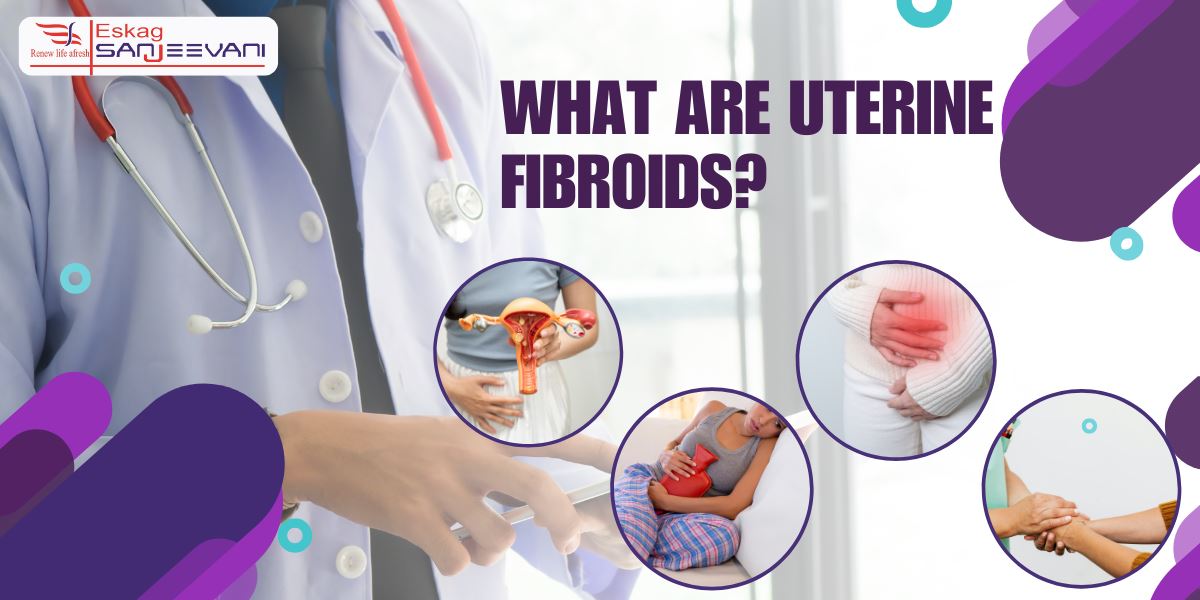
What Are Uterine Fibroids?
Uterine fibroids, also called leiomyomas or myomas, are benign tumours that develop from the smooth muscle and connective tissue of the uterus. They are not the same as uterine cancer, and most fibroids do not become cancerous. Fibroids can vary considerably in number and size. Some are very small and cause no symptoms, while larger or strategically located fibroids can affect menstrual bleeding, pelvic comfort, urination or fertility.
Where Can Fibroids Develop?
A fibroid’s location can influence its symptoms and potential impact.
- Intramural Fibroids: These develop within the uterus’s muscular wall and are among the most common types.
- Subserosal Fibroids: These develop toward the outer surface of the uterus. Larger fibroids may press on nearby structures such as the bladder or bowel.
- Submucosal Fibroids: These project toward or into the uterine cavity. Even relatively small submucosal fibroids can contribute to heavy menstrual bleeding and may affect fertility in some women.
The number, size, and location of fibroids matter when deciding whether treatment is needed.
What Causes Uterine Fibroids?
There is no single known cause of uterine fibroids. Their development appears to involve a combination of genetic, hormonal, cellular and other biological factors. Fibroid tissue is responsive to ovarian hormones such as oestrogen and progesterone, which can influence fibroid growth [1].
Fibroids are most common during the reproductive years and often shrink after menopause, although individual patterns vary [2].
Here are a few possible reasons mentioned that may cause uterine fibroids:
Factors Associated With Fibroids
Research has identified several factors associated with a higher likelihood of developing fibroids, including the following:
- Family history
- Age during the reproductive years
- Early onset of menstruation
- Certain genetic changes
- Obesity and metabolic factors
- Other reproductive and hormonal factors
These associations do not mean that a particular lifestyle choice directly causes fibroids. Having fibroids is not a sign that you have done something wrong.
Symptoms of Uterine Fibroids
Some women have no symptoms. When symptoms occur, they may include the following:
- Heavy Menstrual Bleeding: Fibroids can cause heavier or longer menstrual bleeding. Heavy bleeding may eventually contribute to iron-deficiency anaemia.
- Pelvic Pressure or Pain: Larger fibroids can cause pressure, fullness, or discomfort in the lower abdomen.
- Frequent Urination: A fibroid positioned near the bladder may contribute to urinary frequency or pressure.
- Constipation: Large fibroids can sometimes place pressure on the bowel and contribute to constipation or pelvic discomfort.
- Back or Leg Discomfort: Large fibroids may occasionally cause back or pelvic discomfort because of their size and position.
Symptoms vary considerably between women and do not always correspond directly to fibroid size.
Can Small Fibroids Be Left Alone?
Yes. A small fibroid does not automatically require treatment.
If a fibroid is not causing significant symptoms or complications, a doctor may recommend observation rather than immediate intervention.
The decision depends on factors such as:
- Symptoms
- Fibroid location
- Size and number
- Age
- Menstrual status
- Fertility plans
- Previous treatment
- Any associated complications
Follow-up may involve clinical review and imaging when appropriate. No universal monitoring schedule applies to every woman.
How Are Fibroids Diagnosed?
Diagnosis usually begins with a medical history and, when appropriate, a pelvic examination. Based on the findings, your gynaecologist may order the following tests:
Ultrasound
Ultrasound is commonly used as an initial imaging test for suspected uterine fibroids. It can provide information about the number, size and location of fibroids. However, ultrasound is not a universal “gold standard” for every fibroid-related clinical situation. The appropriate imaging method depends on the clinical question and the information required [1].
MRI (Magnetic Resonance Imaging)
MRI may provide more detailed information about the uterus and fibroids and can be useful in selected situations, including treatment planning or when ultrasound findings are unclear [3].
Hysteroscopy
Hysteroscopy allows a doctor to examine the inside of the uterine cavity and may be useful when a submucosal fibroid or another cavity abnormality is suspected.
Treatment Options for Uterine Fibroids
Treatment depends on the woman’s symptoms, fibroid characteristics, age, reproductive plans and personal preferences. Based on these parameters, treatment options include the following:
Observation
Women without significant symptoms may not need immediate treatment.
Medicines
Depending on the symptoms and individual circumstances, medicines may help manage heavy menstrual bleeding or pain. Options can include the following:
- Non-steroidal anti-inflammatory drugs (NSAIDs)
- Hormonal treatments
- Selected medicines that temporarily suppress ovarian hormone activity
Some medicines reduce symptoms but do not necessarily remove the fibroids.
Minimally Invasive Procedures
Depending on the location and characteristics of the fibroids, selected patients may be candidates for procedures designed to reduce fibroid-related symptoms without removing the uterus. Each procedure’s suitability requires individual assessment.
Final Thoughts
Uterine fibroids are common and are usually benign. Some women never experience symptoms, while others may develop heavy menstrual bleeding, pelvic pressure, pain, urinary symptoms or fertility-related concerns. A diagnosis of fibroids does not automatically mean that you need surgery. Likewise, a small fibroid does not necessarily require immediate treatment. The right approach depends on the size, number and location of the fibroids, your symptoms, reproductive plans and overall health. Treatment may range from observation and medication to minimally invasive procedures or surgery when appropriate.
If heavy bleeding, pelvic pain or other symptoms are affecting your daily life, a gynaecological assessment can help identify the cause and discuss suitable options. At Eskag Sanjeevani Hospitals, women can access gynaecological evaluation and treatment based on their individual clinical needs.
References
- Wang S, You W, Ding D, Liu F, Han F, Tang L. The estrogen-progestogen-oxidative stress network in uterine fibroids: mechanistic insights and therapeutic opportunities. Redox Rep. 2026 Dec;31(1):2622747. doi: 10.1080/13510002.2026.2622747. Epub 2026 Feb 4.
- Ulin M, Ali M, Chaudhry ZT, Al-Hendy A, Yang Q. Uterine fibroids in menopause and perimenopause. Menopause. 2020 Feb;27(2):238-242. doi: 10.1097/GME.0000000000001438.
- Aluwee SA, Kato H, Zhou X, Hara T, Fujita H, Kanematsu M, Furui T, Yano R, Miyai N, Morishige K. Magnetic resonance imaging of uterine fibroids: a preliminary investigation into the usefulness of 3D-rendered images for surgical planning. Springerplus. 2015 Jul 28;4:384. doi: 10.1186/s40064-015-1170-9.
No, they are not cancer. To answer what is uterine fibroids: they are benign (non-cancerous) growths of the muscle tissue of the uterus. While they can cause pain and bleeding, they almost never turn into cancer.
Sometimes. Fibroids rely on hormones to grow. After menopause, when hormone levels drop, a small uterine fibroid will often shrink and symptoms may disappear without treatment.
Hormonal surges are the main answer to what causes uterine fibroids to grow. Pregnancy, which brings high estrogen levels, can cause rapid growth. Sometimes, high stress or significant weight gain can also contribute to growth spurts.
Not necessarily. Uterine fibroids surgery is usually reserved for cases where symptoms are severe (heavy bleeding, pain, infertility). Many women manage their condition with medication and regular monitoring by a gyno doctor.
Yes, they can, but many women with fibroids have healthy pregnancies. It depends on the location. Submucosal fibroids (inside the cavity) are the most risky. It is best to consult a gyno doctor before planning a pregnancy if you know you have fibroids.
Always choose the experienced gynaecologists. The best gyno doctor in kolkata will have a track record of successful myomectomies (fibroid removal) and will offer you a range of options, not just a hysterectomy. Eskag Sanjeevani is home to such leading specialists.