

 Medically Reviewed
The Humble Methi Seed: A Diabetes Management & Digestive Aid
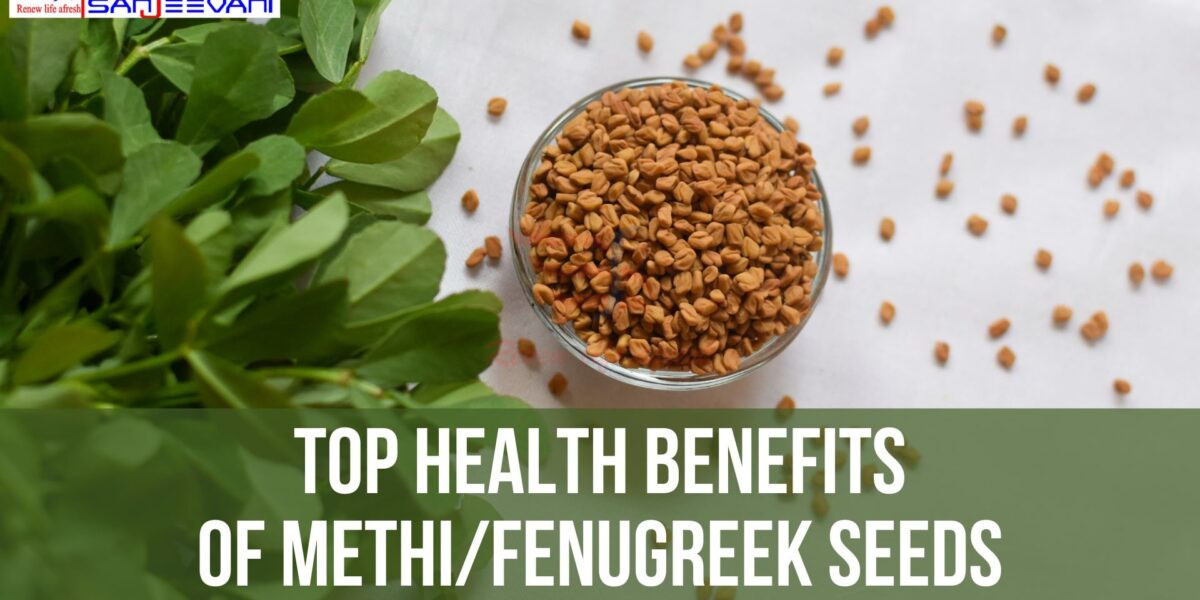
Indian kitchens use fenugreek seeds or methi dana to enhance the taste and smell of curries and pickles. People have relied on this seed for hundreds of years, not just in cooking but also as a key herb in Ayurvedic medicine.
Ancient wisdom recognized the health benefits of this small seed long ago. Modern researchers now confirm that fenugreek seeds have a great role in managing long-term illnesses like diabetes and improving digestion.
This blog shared by Eskag Sanjeevani Hospitals, dives into the science of fenugreek seeds highlighting their impressive advantages and offering simple tips to include them in your everyday life.
Fenugreek To Control Blood Sugar
The most studied advantage of fenugreek seeds lies in how they affect blood sugar levels. If you’re looking into “fenugreek for diabetes,” you’re heading the right way. These seeds contain a lot of soluble fiber galactomannan. This fiber helps slow the body’s absorption of sugars and carbs in the stomach and gut. It helps keep blood sugar levels from rising too after eating.
Fenugreek’s ability to lower blood sugar comes from more than just its fiber. A special amino acid called 4-hydroxyisoleucine plays a key role. This compound triggers the pancreas to produce insulin after eating. Its effect is similar to certain diabetes drugs, which is why scientists have studied the connection between fenugreek and diabetes .
Why do fenugreek seeds help lower blood sugar?
It’s the mix of their soluble fiber and the insulin-boosting ability of 4-hydroxyisoleucine that makes the whole seed effective. Eating these seeds can support stable blood sugar levels and better glycemic control. This makes them a useful addition to the diet of people with prediabetes or type 2 diabetes.
How can you use methi for diabetes?
People often ask about the best way to use these seeds to gain their benefits. Below are some easy and useful options:
- Drinking methi water is one of the simplest and most well-known methods to use fenugreek.
- Leave 1-2 teaspoons of fenugreek seeds in a glass of water overnight.
Strain the water the next morning and drink it before eating anything. Chewing the soaked seeds can add more fiber to your diet. - Lightly dry roast the seeds and grind them into a fine powder. Take one teaspoon of this powder mixed with warm water before you eat meals. This method provides a concentrated way to enjoy the benefits.
- Sprouting these seeds boosts their nutritional value. You can include sprouted fenugreek seeds in salads, wraps, or serve them as a side dish.
What happens if you drink methi water every day?
Drinking methi water every day often brings noticeable changes to your health. It can help manage blood sugar levels. Its rich fiber content supports digestion making your gut feel better. Some people notice a boost in how their body uses energy, and it can leave you feeling fuller, which might help with fenugreek for weight loss.
For individuals with diabetes, this daily habit could be an important part of their care plan. However, keeping track of blood sugar levels to see how it works for you is important.
How much time does fenugreek need to lower blood sugar?
This question comes up often, but the answer isn’t straightforward. The effects of fenugreek seeds take time and don’t work like medicine from a pharmacy. Their benefits build up . Research shows they might help lower blood sugar levels within weeks if taken , but real lasting changes may take one to several months. Staying consistent and pairing them with good food and exercise makes a big difference.
What’s the ideal time for diabetics to take fenugreek seeds?
To get the best results, people often advise taking fenugreek seeds in the morning on an empty stomach or right before eating your main meals. Consuming them ahead of meals slows how your body processes carbohydrates. This helps avoid a sudden rise in blood sugar after eating.
More Than Diabetes: Benefits for Digestion and Beyond
Fenugreek seeds offer more than just help with blood sugar levels. Their rich fiber and gel-like qualities support digestion . They ease stomach troubles, help with constipation, and reduce bloating. If you are asking, “Can I drink Jeera and methi water together?”
The answer is yes, you can. This blend often made into a kadha or healthy drink, supports digestion. Jeera (or cumin) helps relieve gas, while fenugreek acts as a mild laxative and calms the digestive system.
Fenugreek is also often used to lose weight. The soluble fiber in fenugreek absorbs water in the stomach making you feel full and less hungry. This can help control how many calories you eat.
You might wonder, “Is fenugreek helpful for the liver and kidneys?” Research shows that it might protect these organs because it contains antioxidants and fights inflammation. But you need to be careful. Taking too much could strain your liver and kidneys. People who already have problems with these organs should talk to a doctor before adding fenugreek to their meals.
What are the side effects of methi?
Though safe, you should know about the possible side effects. The most frequent ones are:
- Stomach Problems: Some individuals notice gas, bloating, or even diarrhea when they start using it.
- Maple Syrup Smell: A strange but harmless effect is that sweat or urine might smell like maple syrup.
- Low Blood Sugar: People with diabetes face a higher chance of low blood sugar if taking medications such as insulin or metformin. This can be dangerous and shows why a doctor’s advice is essential.
This raises the question, “What side effects does fenugreek have for diabetes?” The main issue lies in how it interacts with medicines you may already be taking. This interaction might cause blood sugar levels to fall too much. You must check your glucose and talk to your doctor to make any needed changes to your medication.
A Final Reminder: Talk to Your Doctor
Fenugreek seeds may have great promise as a natural option, but they are not a complete solution. Use them as part of a full diabetes care routine that includes healthy eating regular activity, and prescribed treatments. Do not stop taking your medications to try fenugreek without getting your doctor’s advice first.
To stay healthy and safe, talk to a certified doctor whenever needed. Eskag Sanjeevani Hospitals has a skilled team of diabetologists and endocrinologists who focus on giving top-notch care. If you are looking to consult the best diabetologist in Kolkata, you might want to visit our experts. Our diabetology and endocrinology department brings full care to patients led by seasoned professionals who treat diabetes and its other issues.
You should schedule an appointment with specialists such as Dr. Animesh Maity, Dr. Aniruddha De, or Dr. Arif Laskar to get a health plan designed just for you. Stop by Eskag Sanjeevani Hospitals to take a step toward managing diabetes better with advice from experts.

Expert medical content writer with a 3-year background in healthcare communications. Specializing in turning complex evidence into credible health content.

Expertise in clinical assessment, accurate diagnosis, and patient-centred treatment based on established medical guidelines.