

 Medically Reviewed
Thankuni Leaves: Uses, Benefits and What Research Says
Thankuni, also known as Gotu Kola or Indian Pennywort, is a leafy herb used in traditional medicine across parts of Asia for centuries. In Bengal, many people know thankuni pata and its use in traditional food and home practices. The plant contains naturally occurring compounds called triterpenoids, including asiaticoside, madecassoside, and asiatic acid. These compounds have attracted scientific interest because of their potential biological effects. However, it is important to differentiate traditional use and early research from established medical treatment. Studies on Centella asiatica have explored areas such as cognition, anxiety, skin health, wound healing, and circulation, but the evidence is not strong enough to consider Thankuni a proven treatment for these conditions.
This article explores the uses, nutritional characteristics, and areas of scientific research on Thankuni.
What is Thankuni Pata?
Thankuni is the common Bengali name for Centella asiatica, a small green herb that grows in warm and humid environments. People in parts of India, including Bengal, commonly use the leaves fresh or incorporate them into traditional preparations. In Ayurveda, the plant is known as Mandukaparni and has traditionally been associated with mental health and cognitive well-being. It has also been used traditionally in other Asian medical systems.
Traditional use provides valuable historical information, but it does not by itself establish that a herb can prevent or treat a medical condition.
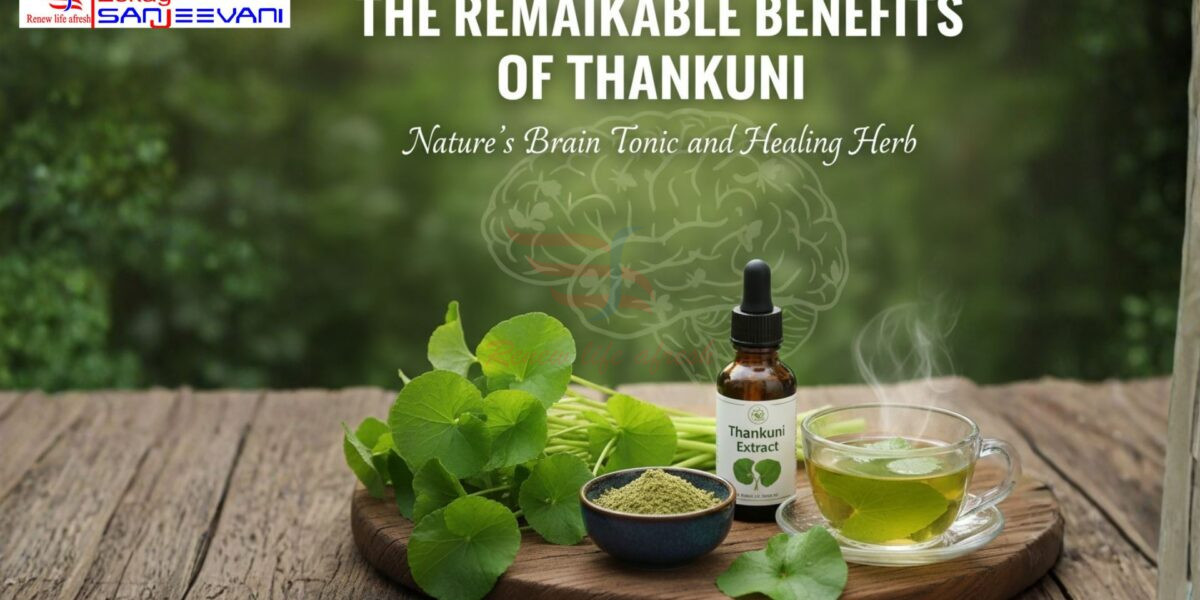
Nutritional and Bioactive Components of Thankuni
Thankuni contains a variety of naturally occurring plant compounds. Scientists are especially interested in its natural compounds called triterpenoids, including the following:
- Asiaticoside
- Madecassoside
- Asiatic acid
The plant also contains flavonoids and other phytochemicals. The exact nutritional composition can vary depending on the plant’s growing conditions, preparation, and how it is consumed. Instead of calling it a “superfood” or a proven healing herb, it is better to describe Thankuni as a traditional herb containing plant compounds.
Potential Benefits of Thankuni: What Does Research Say?
Research on Centella asiatica has investigated several possible health effects. However, evidence quality and quantity vary across studies.
1. Cognitive and Brain Health
Centella has traditionally been associated with memory, mental clarity, and cognitive well-being. Laboratory and animal research has investigated whether compounds in Centella asiatica may influence processes related to oxidative stress, inflammation, and nervous system function. Some human studies have also explored its effects on aspects of cognition and mood. However, the available evidence is not sufficient to describe Thankuni or Centella as a proven “brain booster” or to recommend it as a treatment for memory loss, dementia, or other neurological conditions.
Students and older adults should not rely on Thankuni as a substitute for adequate sleep, balanced nutrition, physical activity, or appropriate medical evaluation of cognitive problems.
2. Anxiety and Stress Relief
Centella asiatica has been studied for possible effects on anxiety and stress. Some preliminary human research has reported potential effects on anxiety-related measures. But the evidence remains limited and does not establish Thankuni as an alternative to prescribed treatment for anxiety, depression, or other mental-health conditions. People experiencing these problems, or significant changes in mood, should seek appropriate professional care rather than relying on herbal products alone.
3. Wound Healing and Skin Health
Centella asiatica is widely studied in dermatology and wound-care research, particularly because compounds such as asiaticoside have been investigated for their possible effects on collagen-related processes and tissue repair. Researchers have studied some topical preparations containing Centella-derived ingredients for wound healing and scar-related outcomes.
However, results can vary by formulation, concentration, wound type, and patient population. Fresh Thankuni leaves or homemade preparations should not replace proper wound cleaning, infection management, or medical treatment. For significant wounds, burns, surgical wounds, or wounds that are not healing normally, medical assessment is important.
4. Circulation and Venous Health
Researchers have investigated Centella asiatica for its possible effects on microcirculation and chronic venous disorders. Some clinical research has examined Centella preparations in people with chronic venous insufficiency and related symptoms. However, this does not mean that eating Thankuni leaves can treat varicose veins, prevent cardiovascular disease, or replace established medical treatment. People with constant leg swelling, skin changes, leg ulcers, chest pain, or unexplained shortness of breath should receive appropriate medical evaluation.
5. Liver Health and “Detox” Benefits
Experimental research has investigated Thankuni for possible effects on liver-related biological processes. However, there is not enough evidence to recommend Thankuni as a liver detoxifier or as a way to cleanse the body. The liver and kidneys already play major roles in processing and eliminating substances from the body. Herbal products should not be promoted as replacements for medical treatment of liver disease. If you have abnormal liver tests, jaundice, abdominal symptoms, or a diagnosed liver condition, speak with a doctor before using herbal supplements.
6. Antioxidant and Anti-Inflammatory Properties of Thankuni
Centella asiatica contains plant compounds that have demonstrated antioxidant and anti-inflammatory activity in laboratory and experimental research. These findings are scientifically interesting, but laboratory activity does not automatically mean that consuming Thankuni will reduce inflammation or prevent chronic diseases. More high-quality human research is needed to determine the clinical significance of these effects.
7. Digestive Health Support
Thankuni has traditional uses related to digestive health, and experimental research has examined some of its biological effects. However, there is insufficient evidence to say that eating Thankuni can reliably treat conditions such as gastritis, stomach ulcers, irritable bowel syndrome (IBS), or other digestive disorders. Prolonged abdominal pain, recurrent vomiting, blood in the stool, unexplained weight loss, or ongoing changes in bowel habits require medical evaluation.
8. Joint and Connective Tissue Health
The triterpenoid compounds found in Centella asiatica have been studied for their possible effects on connective-tissue and inflammatory pathways. These findings are preliminary and do not establish Thankuni as a treatment for arthritis or chronic joint pain. People with joint swelling, stiffness, or pain should be assessed to determine the underlying cause and appropriate treatment.
9. Immune and Infection-Related Benefits
Some laboratory studies have investigated the effects of Centella compounds on immune and microbial pathways. However, these findings do not demonstrate that having Thankuni can strengthen immunity or prevent or treat infections in humans. For suspected infections, appropriate diagnosis and evidence-based treatment remain important.
10. Hair Growth and Scalp Health
Centella asiatica has been included in some cosmetic and topical formulations, and researchers have investigated its effects on skin and tissue biology. However, clinical evidence is insufficient to claim that eating Thankuni promotes hair growth, prevents hair loss, strengthens hair roots, or delays premature greying.
Persistent or sudden hair loss can have many causes, including nutritional deficiencies, hormonal conditions, scalp disorders, and other medical problems, and may require a dermatologist’s evaluation.
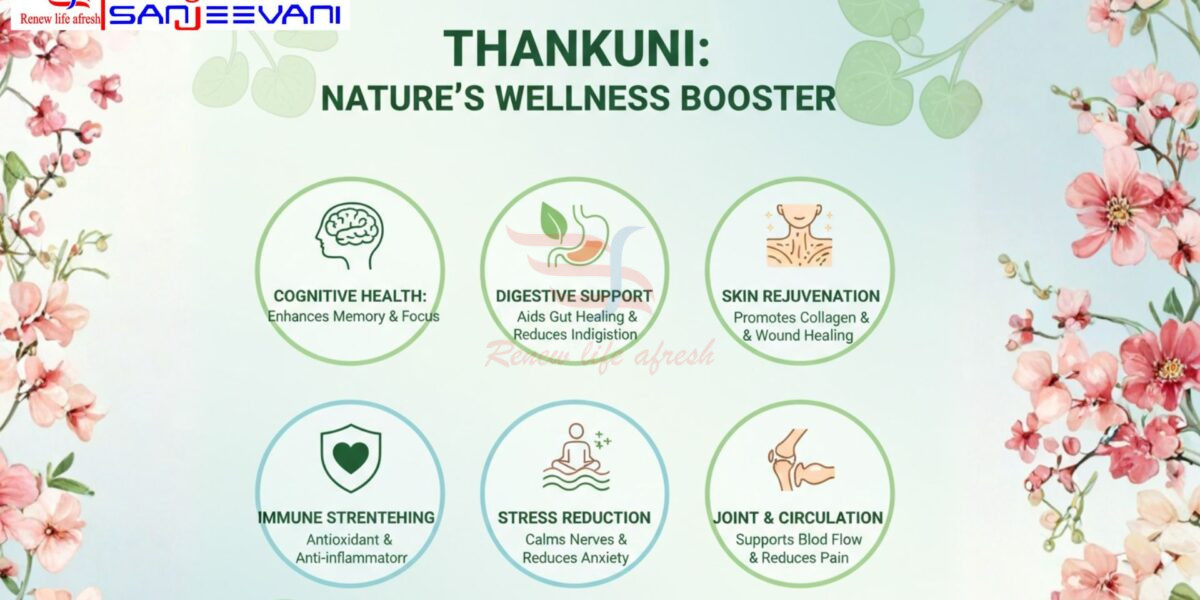
How to Eat Thankuni Pata: The Traditional Uses
In Bengal and other parts of India, people use Thankuni leaves in traditional preparations.
Common approaches include the following:
Fresh Leaves
Thoroughly wash fresh leaves, then add them to traditional dishes, chutneys, or salads. Because raw leafy herbs can carry soil or microorganisms, wash them thoroughly and prepare them hygienically.
Chutney
You can combine thankhuni leaves with ingredients such as green chilli, salt, or other traditional foods to make chutney.
Cooked Preparations
Some people incorporate the leaves into traditional vegetable or leafy-green preparations. No established daily amount guarantees a particular health benefit, so it is best not to treat a specific number of leaves, spoonfuls of juice, or a homemade preparation as a medical dose.
Traditional Uses in Ayurveda and Other Asian Medical Systems
Thankuni has a long history of traditional use. In Ayurveda, it is known as Mandukaparni and has traditionally been associated with mental clarity, cognition, and general vitality. Gotu Kola also has a history of use in traditional medical systems in other parts of Asia.
Safety Considerations
“Natural” does not automatically mean risk-free. Safety may depend on the amount consumed, the preparation used, the duration of use, and an individual’s health and medications.
Consult with your doctor before using concentrated Thankuni supplements if you have the following conditions:
- Pregnant or breastfeeding
- Have a liver condition
- Take regular prescription medicines
- Are preparing for surgery
- Have a history of allergies or reactions to herbal products
- Are considering long-term or high-dose supplementation
Concentrated extracts and supplements should not be assumed to have the same safety profile as small amounts of a culinary herb. If you develop unusual symptoms after taking Thankuni, stop using the product and seek medical advice.
Final Thoughts
Thankuni, or Centella asiatica, has a long history of traditional use in Bengal, Ayurveda, and other Asian medical systems. Its triterpenoids and other plant compounds have also attracted scientific interest in areas such as cognition, stress, skin health, wound research, and circulation. If you enjoy Thankuni as a traditional food, you can incorporate it into a balanced diet with safe, hygienic preparation. If you have persistent symptoms or a diagnosed medical condition, seek professional medical advice rather than relying on herbal remedies alone. At Eskag Sanjeevani Hospitals, appropriate medical evaluation and specialist care are available when symptoms require further investigation or treatment.

Expert medical content writer with a 3-year background in healthcare communications. Specializing in turning complex evidence into credible health content.

Expertise in clinical assessment, accurate diagnosis, and patient-centred treatment based on established medical guidelines.