

PCOS (Polycystic Ovary Syndrome): Symptoms and Treatment
Irregular periods, excess facial or body hair, and acne can have several possible causes. One of them is polycystic ovary syndrome (PCOS), a common hormonal and metabolic condition that can affect menstrual cycles, ovulation, androgen levels, fertility, and long-term health. PCOS looks different in each person. Some women have irregular periods and signs of higher androgen levels, while others may have metabolic or fertility concerns. Not everyone with PCOS has polycystic-appearing ovaries on ultrasound [1]. A proper diagnosis therefore requires more than a single symptom, blood test, or ultrasound finding.
This guide explains the symptoms, causes and contributing factors, diagnosis, treatment options, fertility considerations, and long-term health aspects of PCOS.
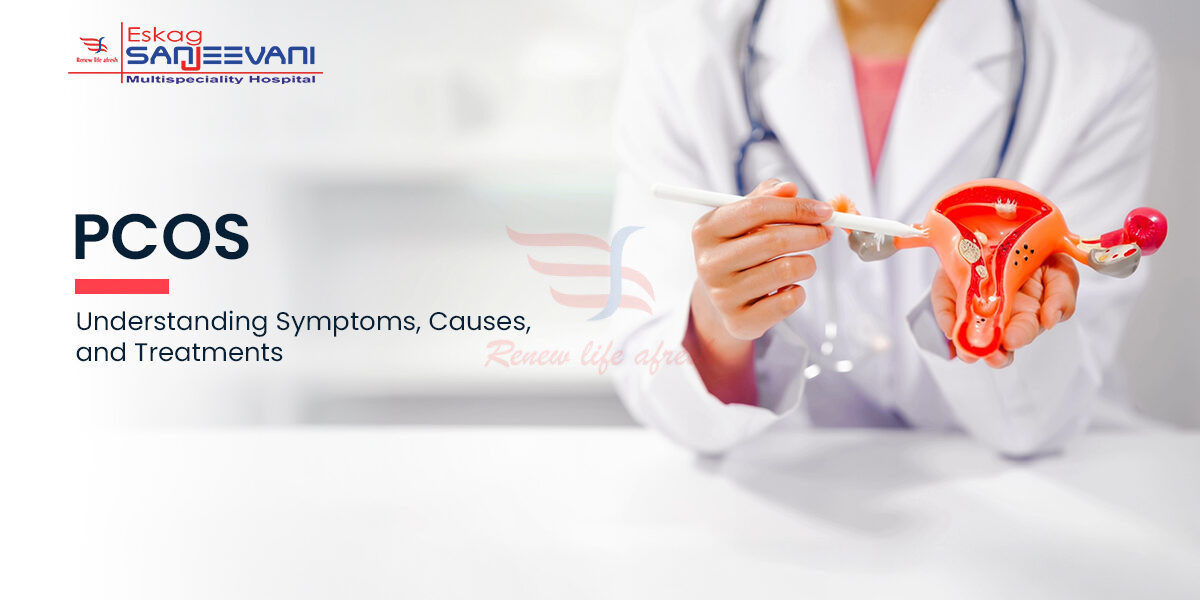
What is PCOS?
PCOS is a complex condition involving reproductive, hormonal, metabolic, and psychological aspects of health. The exact cause is not fully understood. Genetic susceptibility and multiple biological and environmental factors are also considered [1].
The following conditions are associated with PCOS:
- Irregular or absent ovulation
- Irregular menstrual cycles
- Clinical or biochemical signs of higher androgen levels
- Acne or excess facial/body hair
- Polycystic ovarian morphology on ultrasound
- Metabolic risk factors, including insulin resistance
- Fertility difficulties
- Psychological symptoms in some individuals
Importantly, the name “polycystic ovary syndrome” does not mean that ovarian cysts are required for diagnosis. The ovarian appearance seen in PCOS usually refers to an increased number of small follicles rather than conventional ovarian cysts [1].
PCOD vs PCOS: What Is the Difference?
The terms PCOD (polycystic ovarian disease) and PCOS (polycystic ovary syndrome) are sometimes used interchangeably in everyday healthcare conversations in India. However, PCOS is the established medical diagnosis used in international clinical guidelines. Rather than treating PCOD and PCOS as two clearly separate diseases with different levels of severity, it is more accurate to discuss the individual’s actual symptoms to distinguish them better. If someone has previously been told they have “PCOD,” it is reasonable to discuss the diagnosis with a qualified gynaecologist and clarify whether their clinical features meet current PCOS diagnostic criteria.
Common PCOS Symptoms to Watch For
PCOS can present differently from one person to another. Below are some of the most common symptoms patients experience.
Menstrual Irregularities
Possible menstrual irregularities include the following:
- Infrequent periods
- Irregular menstrual cycles
- Absence of periods
- Irregular ovulation
The definition of an irregular cycle varies with age and reproductive stage. In adults, the 2023 international guideline provides specific cycle criteria rather than relying simply on the phrase “irregular periods” [1].
Signs of Higher Androgen Levels
Androgens are hormones that are present in everyone, although typically at different levels.
Higher androgen activity may be associated with the following:
- Excess facial or body hair (hirsutism)
- Acne
- Female-pattern hair loss
Hirsutism is an important clinical sign when assessing PCOS, while acne or hair loss occurring alone is less specific for biochemical androgen excess.
Metabolic Features
PCOS is also associated with increased metabolic risk.
Depending on the individual, this may include the following:
- Insulin resistance
- Abnormal blood glucose
- Increased risk of impaired glucose tolerance or type 2 diabetes
- Abnormal cholesterol or triglyceride levels
- Higher cardiovascular risk over the long term
Fertility Difficulties
PCOS is a common cause of ovulatory dysfunction and can make conception more difficult for some women. However, having PCOS does not mean that pregnancy is impossible. Fertility treatment can be considered when pregnancy does not occur because of ovulatory dysfunction or other factors.
PCOS Causes and Risk Factors
No single factor causes PCOS. Research indicates that PCOS is influenced by a combination of genetic, hormonal, metabolic, and environmental factors [1].
- Genetic Factors: PCOS occurs more frequently in some families, suggesting a genetic contribution. Having a close relative with PCOS may therefore be associated with a higher likelihood of developing the condition.
- Insulin Resistance and Metabolic Factors: Insulin resistance is an important pathophysiological feature of PCOS, although it does not occur to the same degree in every woman. Higher insulin levels can interact with ovarian androgen production and other hormonal pathways.
- Lifestyle and Environmental Factors: Diet, physical activity, sleep, psychological well-being, body weight, and other environmental factors can influence overall metabolic health. However, it would be inaccurate to say that a sedentary lifestyle, stress, processed foods, or poor sleep independently “causes” PCOS.
Instead, consider these factors as part of broader metabolic and overall health management.
PCOS Diagnosis: Is There a Single Test?
There is no single test that diagnoses PCOS. In adults, after excluding other conditions with similar symptoms, the diagnosis is based on two of three features, as follows:
- Clinical or biochemical hyperandrogenism
- Ovulatory dysfunction or irregular menstrual cycles
- Polycystic ovarian morphology on ultrasound or an elevated AMH level, where appropriate
Other important points include the following:
- Ultrasound is not automatically required for every adult with suspected PCOS.
- If both irregular cycles and hyperandrogenism are present, ultrasound or AMH may not be necessary.
- Total and free testosterone are the main biochemical measures for assessing androgen excess.
- Consider thyroid function, prolactin, or screening for non-classic congenital adrenal hyperplasia when clinically indicated to exclude other causes.
- Ultrasound findings alone do not establish PCOS.
- AMH can be used as an alternative to ultrasound in appropriate adults, but should not be used as a single diagnostic test.
PCOS Treatment Options
There is no single treatment that is appropriate for every woman with PCOS.
Management depends on multiple factors as follows:
- The person’s symptoms
- Metabolic risk
- Menstrual and reproductive goals
- Whether pregnancy is desired
- Other medical conditions
- Individual preferences
The 2023 international guideline emphasises shared decision-making and individualised care.
Lifestyle and Physical Activity
Healthy lifestyle habits are an important part of PCOS management. The international guideline recommends healthy eating and physical activity for women with PCOS, with benefits extending beyond changes in body weight. Importantly, no single type of diet has been shown to be universally superior for PCOS [1].
The following practices are included in a healthy lifestyle:
- Regular physical activity
- A varied, nutritious diet
- Adequate sleep
- Limiting tobacco and excessive alcohol
- Managing cardiovascular and metabolic risk factors
For women who are overweight and wish to lose weight, gradual weight management may improve some metabolic and reproductive outcomes. However, lifestyle care should not be reduced to weight loss alone, and women who are not overweight can also have PCOS and benefit from healthy lifestyle measures.
Final Thoughts
PCOS is a complex condition that can affect menstrual cycles, androgen levels, metabolism, fertility, and psychological wellbeing. Because its presentation varies considerably, no single symptom or test can diagnose every case. Treatment should also be individualised. Healthy lifestyle measures are important, while medicines and fertility treatments may be appropriate depending on the person’s symptoms and goals. There is no need to rely on unproven “hormone-balancing” foods, supplements, or fixed treatment timelines. If you have menstrual irregularities, excess hair growth, or acne, a qualified healthcare professional can help determine whether PCOS or another condition may be responsible. Eskag Sanjeevani Hospitals provides women’s health and gynaecological care for patients experiencing menstrual, hormonal, reproductive, and fertility-related concerns.
References
- Teede HJ, Tay CT, Laven JJE, Dokras A, Moran LJ, Piltonen TT, Costello MF, Boivin J, Redman LM, Boyle JA, Norman RJ, Mousa A, Joham AE; International PCOS Network. Recommendations from the 2023 international evidence-based guideline for the assessment and management of polycystic ovary syndrome. Eur J Endocrinol. 2023 Aug 2;189(2):G43-G64. doi: 10.1093/ejendo/lvad096.
PCOS is a hormonal disorder affecting women, causing irregular periods, excess hair growth, and ovarian cysts. It impacts fertility and metabolism and needs timely treatment.
There is no permanent cure, but PCOS can be managed with lifestyle changes, medication, and regular monitoring by gynecologists.
Yes, with proper treatment and fertility guidance of gynaecologist in Kolkata, women with PCOS can conceive successfully.
It involves hormonal imbalance, ovarian cysts, and metabolic issues like insulin resistance, affecting menstruation and fertility.
PCOD is a condition where ovaries release immature eggs; PCOS is a more complex hormonal and metabolic disorder.
Irregular periods, acne, facial hair, and weight gain are often the earliest signs.
Yes, elevated androgens can lead to scalp hair thinning or hair loss in women.
It can delay periods for weeks to months depending on the severity of hormonal imbalance.
Treatment includes lifestyle changes, hormone therapy, and sometimes fertility medications to manage symptoms and improve quality of life.