
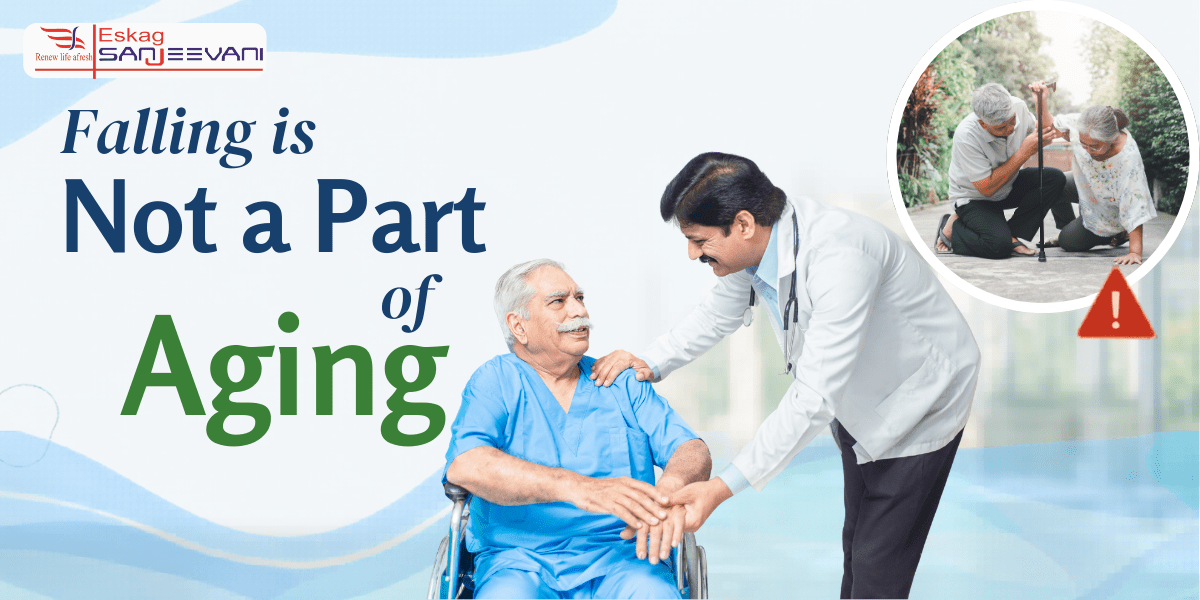
Fall Prevention for Seniors: Practical Ways to Reduce Risk
Falls become more common with age and can have consequences ranging from minor to major injuries. Affected persons can develop bruises, fractures, head injuries, loss of confidence, and reduced independence. For older adults, a fall is rarely caused by just one factor. Changes in balance and muscle strength, vision problems, certain medicines, chronic health conditions, and hazards around the home can all contribute. The good news is that many fall-risk factors can be identified and addressed. A combination of home-safety measures, appropriate physical activity, medication review, vision care, and individual medical assessment can help reduce the risk.
This blog explains the most common reasons older adults fall, including ways to reduce risk.
Key Takeaways
- Falls in older adults usually have multiple contributing factors rather than one single cause.
- Good lighting, clear walking areas, appropriate footwear, and bathroom safety modifications can reduce environmental hazards.
- Regular strength and balance activities can help improve physical function and may reduce fall risk.
Understanding Why Seniors Fall
As people age, several changes can affect balance and mobility. Muscle strength and physical function may decline, while conditions such as arthritis, neurological disorders, diabetes, thyroid issues, low blood pressure, or foot problems can make walking more difficult [1]. Vision and hearing changes may also affect how a person responds to obstacles and changes in their surroundings.
The home environment can add further risks. Common hazards include the following:
- Poor lighting
- Loose rugs
- Cluttered walkways
- Electrical cords
- Slippery floors
- Inadequate bathroom support
- Unsuitable footwear
- Stairs without appropriate handrails
Some medicines can also increase fall risk, particularly those that cause drowsiness, dizziness, impaired alertness, or a drop in blood pressure.
What About Polypharmacy?
Polypharmacy generally refers to the use of multiple medicines, but no single universally applicable number defines when it becomes clinically important. The risk of falling depends more on which medicines are being taken, their doses and combinations, and the person’s individual health status [2]. Older adults who take several prescription or over-the-counter medicines should have an appropriate healthcare professional review their medication list periodically.
Do not stop or reduce prescribed medicines without medical advice.
Essential Fall Prevention Tips for Seniors at Home
Making the home safer is an important part of fall prevention, but it is only one component of a broader strategy.
Tip no. 1: Improve Lighting
Make sure frequently used areas are well lit, especially:
- Bedrooms
- Stairways
- Hallways
- Bathrooms
- Routes between the bedroom and bathroom
Night lights can make it easier to see obstacles when getting up after dark.
Tip no. 2: Clear Walking Areas
Remove or secure potential tripping hazards such as:
- Loose rugs
- Electrical wires
- Clutter
- Small furniture in narrow pathways
Keep frequently used items within easy reach so older adults don’t need to climb on chairs or stools.
Tip no. 3: Improve Bathroom Safety
Bathrooms can present specific challenges because of the wet, slippery surfaces. Depending on an individual’s needs, useful modifications may include the following:
- Grab bars installed securely in appropriate locations
- Non-slip flooring or suitable bath surfaces
- Adequate lighting
- A shower chair when appropriate
- Hand-held shower equipment where useful
- Appropriate toilet-height modifications
These measures can reduce environmental hazards, but select and install them based on the person’s mobility and balance needs.
Tip no. 4: Choose Appropriate Footwear
Shoes should fit properly and provide adequate support. Avoid walking on slippery surfaces in socks or poorly fitting footwear.
Fall Prevention in Hospitals: A Clinical Priority
Older adults may face additional fall risks during a hospital stay because of illness, unfamiliar surroundings, medical equipment, and the need to get up more frequently. Hospitals can use structured fall-risk assessment and prevention measures to address these risks.
Depending on the patient’s needs, measures may include the following:
- Keeping the call bell within reach
- Providing assistance with walking and toileting
- Maintaining clear pathways
- Using appropriate bed positioning
- Ensuring adequate lighting
- Reviewing medicines that may contribute to falls
- Providing mobility aids when appropriate
Fall-risk assessment tools can support clinical decision-making, but they are not a substitute for individual assessment.
Medical Management and Fall Risk
Sometimes a fall is associated with an underlying medical or functional problem.
A doctor may consider factors such as the following:
- Previous falls
- Dizziness or fainting
- Blood-pressure changes
- Balance and gait
- Muscle strength
- Vision
- Foot problems
- Neurological symptoms
- Medication use
- Home hazards
- Other relevant medical conditions
Medication Review
Some medicines can increase the likelihood of dizziness, sedation, impaired alertness, or low blood pressure. A medication review can help determine whether any current medicines may be contributing to fall risk. Do not stop or taper medicines without professional guidance.
Vision Assessment
Poor vision can make it harder to identify obstacles and navigate safely. An eye examination may be appropriate when vision problems are suspected or when recommended as part of an individual’s health assessment.
Are Blood Tests Always Needed After a Fall?
No. Blood tests or investigations are not automatically required for every older adult who falls. A doctor may recommend specific tests when the history, symptoms, physical examination, or other clinical findings suggest an underlying problem. For example, testing may be considered when there is a concern about anaemia, metabolic abnormalities, infection, or other conditions. The appropriate investigations depend on the individual and are determined under the sole observation of a geriatrician.
Final Thoughts
Fall prevention is not about restricting an older person’s independence. It is about identifying risks and making everyday movement safer. Simple changes such as improving lighting, clearing walkways, making bathrooms safer, choosing appropriate footwear, and maintaining physical activity can help address some modifiable risks. At the same time, falls can have medical causes. Medication effects, vision problems, blood-pressure changes, and other health issues may require medical intervention.
No single fall-prevention method works for every senior, and no strategy can eliminate all risk. If an older adult experiences repeated falls, unexplained falls, dizziness, fainting, or a significant injury, seek appropriate medical advice. Contact Eskag Sanjeevani Hospitals for individualised assessment and fall-prevention support.
References
- Appeadu, M. and Bordoni, B. (2023). Falls and fall prevention in the elderly. [online] National Library of Medicine.
- Varghese, D., Koya, H.H., Ishida, C. and Patel, P. (2024). Polypharmacy. [online] National Library of Medicine.
Absolutely not. While physical changes happen, falling is usually a sign of an underlying risk factor that can be managed. Proper fall prevention can keep most seniors steady on their feet well into their 90s.
Seniors in hospitals are often confused by the new environment or weakened by medication. Fall prevention in hospitals ensures that their path to recovery isn’t interrupted by a new injury.
Seniors should wear sturdy, well-fitting shoes with non-skid soles. Avoid floppy slippers, high heels, or walking in stockings, as these are major triggers for slips.
Yes. A geriatric physician will perform a “Post-Fall Assessment” to find out why you fell—checking for things like heart arrhythmias, drop in blood pressure, or vitamin deficiencies—to prevent it from happening again.
Yes. For those with memory issues, keeping the environment consistent and removing all “busy” patterns from carpets (which can look like obstacles) is vital for elderly fall prevention.
We provide detailed counselling on fall-prevention tips for seniors during our geriatric OPD sessions, helping families identify hazards in their homes.