

All You Need to Know About Dysentery
India is known for its rich, diverse food culture, but concerns around hygiene, water quality, and sanitation often increase the risk of gastrointestinal infections. Dysentery is a condition associated with intestinal infection and inflammation, generally used to describe acute bloody diarrhoea. Although dysentery and ordinary diarrhoea are often used interchangeably, they are not the same. Blood in the stool can occur with several intestinal conditions, so appropriate medical assessment is needed to determine the underlying cause.
This guide will walk you through what dysentery is, how to spot its symptoms, and why timely treatment matters.
Key Takeaways
- Dysentery and diarrhoea are not identical. Dysentery generally refers to acute diarrhoea with visible blood in the stool.
- Bacterial infections such as Shigella and parasitic infections such as Entamoeba histolytica are among the possible causes of bloody diarrhoea.
- Treatment depends on the cause: Rehydration is an important part of care, while medication depends on the suspected or confirmed cause, severity, and individual clinical circumstances.
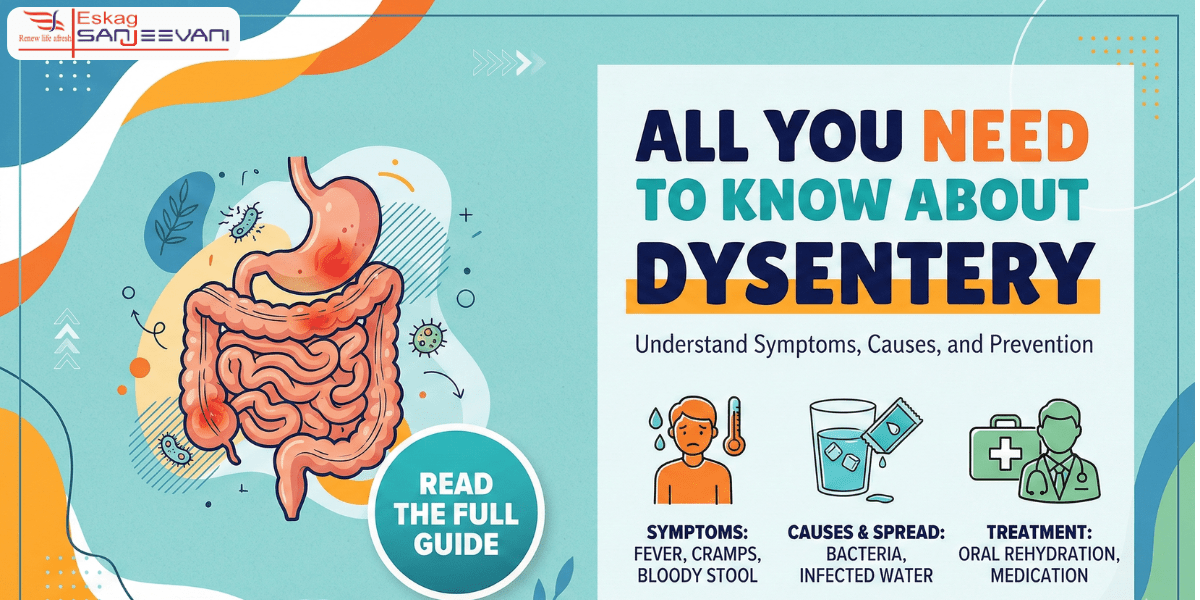
What is Dysentery? Beyond Regular Diarrhea
Dysentery generally refers to acute bloody diarrhoea, meaning loose or frequent stools with visible blood. Abdominal cramps, fever, mucus, or an urgent need to pass stool may also occur, depending on the underlying cause. Several infectious organisms can produce this pattern. These include bacteria such as Shigella and parasites such as Entamoeba histolytica [1]. Other infectious and non-infectious conditions can also cause blood in the stool, so symptoms alone may not establish the exact diagnosis. For this reason, prolonged or significant bloody diarrhoea should be medically evaluated rather than automatically attributed to dysentery.
What Causes Dysentery?
Two important infectious causes include bacterial infection and amoebiasis, as described below.
1. Bacillary Dysentery
Bacillary dysentery can be caused by bacteria such as Shigella. The infection can spread through contaminated food or water, or through contact with contaminated hands and surfaces. Good hand hygiene, safe drinking water, and appropriate food handling can help reduce transmission. Symptoms of bacillary dysentery include diarrhoea, accompanied by fever, abdominal cramps, and an urgent need to pass stool. Severity can vary from person to person.
2. Amoebic Dysentery
Amoebic dysentery is caused by infection with the parasite Entamoeba histolytica. It can spread through contaminated food or water. Some infections cause intestinal symptoms, while others cause few or no symptoms. In some cases, the infection can spread beyond the intestine and cause complications such as an amoebic liver abscess [2]. Because bacterial and parasitic infections require different approaches, identifying the likely cause is an important part of medical management.
Symptoms of Dysentery
Dysentery symptoms can vary depending on the underlying cause and severity.
Possible symptoms include the following:
- Blood in the stool: A defining feature of acute bloody diarrhoea, although blood in the stool can also occur with other conditions.
- Mucus in the stool: Mucus may occur with intestinal inflammation.
Abdominal cramps: Cramping or abdominal discomfort may accompany intestinal infections. - Urgency or tenesmus: Some people may experience a persistent or painful urge to pass stool even when the bowel is relatively empty.
- Fever: Fever can occur with infections caused by invasive intestinal pathogens such as Shigella.
- Nausea or vomiting: These symptoms may occur with gastrointestinal infections and can make it harder to maintain adequate fluid intake.
Blood in the stool should not automatically be taken as proof of a particular infection. Clinical assessment may be necessary to determine the underlying cause.
Dysentery Treatment & Care
Treatment depends on the cause, severity, symptom duration, and overall clinical condition. There is no single medication that is appropriate for every person with bloody diarrhoea.
1. Rehydration
Replacing lost fluids and electrolytes is an important part of managing diarrheal illness. Oral Rehydration Solution (ORS) helps replace water and electrolytes lost through diarrhoea. In cases of severe dehydration or shock, intravenous fluids may be required. Maintaining adequate hydration is particularly important when diarrhoea is frequent or accompanied by vomiting.
2. Treatment According to the Cause
Consider medication when a specific bacterial or parasitic infection is suspected or confirmed.
- Bacterial infections: Some bacterial infections may require antibiotics, particularly when illness is severe or clinically indicated. The choice of antibiotic may depend on the organism and local antibiotic resistance patterns.
- Amoebiasis: Infection caused by Entamoeba histolytica requires appropriate antiparasitic treatment when clinically indicated. Treatment depends on the type and extent of infection.
Not every person with diarrhoea requires antimicrobial medication. Management should be based on the likely or confirmed cause and the individual’s clinical condition.
3. Anti-Diarrheal Medicines
Medicines that slow bowel movements are not appropriate in every situation. In particular, doctors advise that people with bloody diarrhoea should not use anti-diarrheal medicines without appropriate medical guidance, as these medicines may make symptoms worse in certain infections. The reason is not simply “trapping toxins inside the gut.” The suitability of these medicines depends on the clinical situation and suspected cause.
Conclusion
Dysentery refers to acute bloody diarrhoea and can have different causes, including bacterial and parasitic infections. However, blood in the stool can also occur with other conditions, so it should not automatically be assumed to indicate a particular infection. Maintaining hydration is an important part of care, and medication should be selected based on the suspected or confirmed cause and the individual’s clinical condition. Avoid self-medication when there is blood in the stool, significant fever, severe abdominal pain, repeated vomiting, or signs of dehydration. Eskag Sanjeevani Hospitals provides medical consultation and diagnostic services to help evaluate gastrointestinal symptoms and guide appropriate care when required.
References
- World Health Organization (2024): Diarrhoeal disease fact sheet.
- Cleveland Clinic (2025): Dysentery: Causes, Symptoms & Treatment.
- Mayo Clinic (2025): Amebiasis and Shigellosis Overview.
- National Health Mission, India (2025): STOP Diarrhoea Campaign Guidelines.
- ResearchGate (2024): Exploring the burden of diarrheal disease in West Bengal.
- Institut Pasteur (2026): Shigellosis: Symptoms and Treatment.
- World Gastroenterology Organisation (2024): Acute Diarrhea in Adults and Children: A Global Perspective.
- Current Medical Diagnosis & Treatment (2025): Section on Inflammatory Diarrhea.
- Journal of Clinical Microbiology (2025): Diagnostic Trends in Enteric Pathogens in India.
- CDC (2025): Yellow Book: Health Information for International Travel – Shigellosis.
No. Stomach flu (viral gastroenteritis) usually causes watery diarrhea and resolves on its own. Dysentery involves intestinal inflammation and presents with blood/mucus, requiring specific dysentery treatment.
Most patients feel better within 3 to 7 days of starting the correct dysentery medication, provided they follow the full course prescribed by their gastroenterologist in Kolkata.
Taking “stop-motion” pills can be dangerous. If the infection is bacterial, stopping the diarrhea traps the bacteria in your system, which can lead to a perforated bowel or systemic infection (sepsis).
While ORS helps with dehydration, it does not kill the bacteria or parasites. You need a formal diagnosis and proper dysentery medication to clear the infection entirely.