

Appendicitis or Just a Stomach Ache?
Abdominal pain can have many causes. Sometimes it is related to indigestion, gas, constipation, or a stomach infection and settles with time. But severe, constant, or worsening pain can also indicate a condition that needs urgent medical assessment. Appendicitis is inflammation of the appendix, a small pouch attached to the large intestine. If the inflammation progresses, the appendix can perforate, potentially causing infection inside the abdomen. Recognising concerning symptoms is important, but symptoms alone cannot confirm appendicitis. Other conditions can cause similar abdominal pain, so medical evaluation is often necessary.
This blog covers the differences between appendicitis and stomach ache.
Key Takeaways
- Appendicitis commonly causes abdominal pain that may begin around the navel and later become more localised, often in the lower right abdomen.
- Pain may become worse with movement, coughing, or other activity, but symptoms vary between individuals.
- Nausea, vomiting, loss of appetite, fever, and abdominal tenderness can occur.
- Blood tests and imaging may help doctors evaluate suspected appendicitis, but no single test confirms every case.
What Is the Difference Between a Stomach Ache and Appendicitis?
“Stomach ache” is a general term for abdominal discomfort or pain. It can result from many conditions, including indigestion, constipation, gastroenteritis, urinary problems, gallbladder disease, and menstrual or reproductive conditions. Appendicitis specifically refers to inflammation of the appendix. A common pattern is pain that begins around the belly button and later becomes more noticeable in the lower right abdomen. However, this pattern does not occur in every patient. Some people may have pain in a different location, particularly children, pregnant women, older adults, or people whose appendix is positioned differently.
For this reason, the location and pattern of pain are useful clues but are not enough to diagnose appendicitis.
What Causes Appendicitis?
Appendicitis commonly occurs when the opening of the appendix becomes blocked. Possible causes or contributing factors of appendicitis include the following:
- A hardened piece of stool, sometimes called a fecalith
- Swelling of lymphoid tissue
- Less commonly, parasites or other causes of obstruction
When the appendix becomes inflamed, the inflammation can progress and, in some cases, lead to perforation.
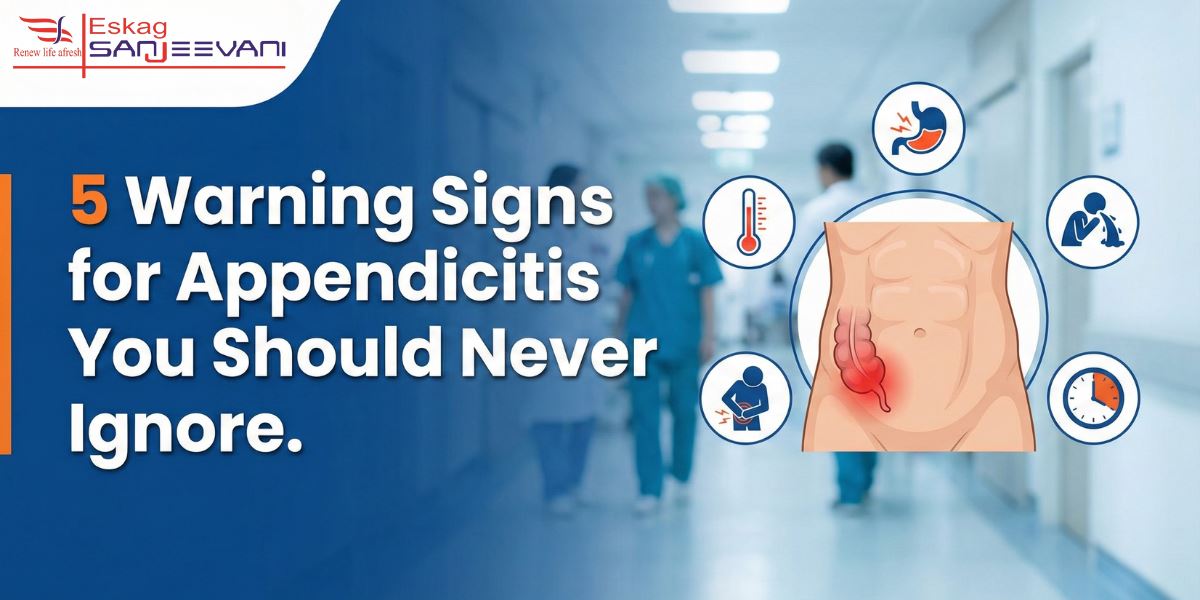
5 Possible Warning Signs of Appendicitis
If you are unsure whether your pain is serious, check for these five red flags. These are the classic signs of appendicitis that doctors look for.
1. Abdominal Pain That Becomes More Localised
Appendicitis often begins with discomfort around the belly button before becoming more noticeable in the lower right abdomen. The pain may become progressively stronger over time. However, not everyone experiences this classic pattern. The location can vary depending on the position of the appendix and individual circumstances. Constant or worsening abdominal pain should be medically assessed rather than diagnosed at home.
2. Pain That Becomes Worse With Movement
Some people with appendicitis experience increased abdominal pain when walking, coughing, or moving. This can occur because inflammation may irritate tissues lining the abdominal cavity. However, pain with movement is not specific to appendicitis and can occur with other abdominal conditions as well.
3. Abdominal Tenderness
A doctor may examine the abdomen for areas of tenderness and other physical findings that can help assess possible appendicitis. You should not repeatedly press, poke, or release your abdomen to test yourself for “rebound tenderness.” A home examination cannot reliably diagnose appendicitis and may cause unnecessary pain or delay professional assessment.
4. Nausea, Vomiting or Loss of Appetite
Nausea, vomiting, and reduced appetite can occur with appendicitis. Some people experience abdominal pain before nausea or vomiting, while others may have a different sequence of symptoms. These symptoms are also common in gastroenteritis and several other conditions, so they cannot confirm appendicitis on their own.
5. Fever and Feeling Unwell
Fever can occur when appendicitis progresses, although not everyone with appendicitis develops a fever. Other symptoms may include weakness, chills, or a general feeling of illness. A very high fever, severe abdominal pain, confusion, fainting, or rapidly worsening symptoms require urgent medical attention.
Can Appendicitis Rupture?
Yes. Untreated appendicitis can sometimes progress to perforation or rupture. However, no reliable 48- or 72-hour deadline applies to every patient. The speed of progression varies, and it is not possible to predict from symptoms alone exactly when an appendix will perforate. A perforated appendix can cause an abscess or infection within the abdominal cavity and may require more complex treatment. This is why suspected appendicitis should be evaluated promptly rather than waiting for symptoms to become severe.
How Is Appendicitis Diagnosed?
No single test confirms appendicitis in every patient. Doctors generally combine several types of information.
1. Medical History and Physical Examination:
- Your doctor will ask about:
- Where the pain started
- Where it is now located
- How long it has been present
- Whether it is getting worse
- Nausea or vomiting
- Fever
- Bowel or urinary symptoms
- Other relevant medical history
The abdomen may then be examined for tenderness and other findings.
2. Blood Tests:
Blood tests may include a complete blood count and inflammatory markers. An increased white blood cell count can support the clinical assessment of inflammation or infection, but it does not confirm appendicitis on its own.
3. Imaging:
Depending on the patient and clinical situation, doctors may use:
- Ultrasound
- CT scan
- MRI in selected circumstances
Imaging can help identify an inflamed appendix and can also help evaluate other possible causes of abdominal pain.
The Gold Standard Treatment: Laparoscopic Appendectomy
Laparoscopic appendectomy is a minimally invasive procedure used to remove an inflamed appendix. The surgeon usually makes several small abdominal incisions and uses a camera and specialised instruments to remove the appendix. Compared with an open operation in appropriate patients, laparoscopic surgery can offer advantages such as smaller incisions and potentially less postoperative discomfort.
How Long Does Recovery Take?
Recovery varies from person to person. The following factors can affect recovery:
- Whether the appendix was uncomplicated or perforated
- Type of surgery
- Overall health
- Presence of an abscess or other complications
- Postoperative infection
- Individual healing
Some patients with uncomplicated appendicitis may return home relatively quickly, while patients with perforation or other complications may require a longer hospital stay.
Final Thoughts
Abdominal pain does not always mean appendicitis, but persistent or worsening pain should not be dismissed as simple indigestion or gas. Appendicitis can present with pain around the navel, lower-right abdominal pain, nausea, loss of appetite, fever, and other symptoms, but not every patient experiences the same pattern. Because several abdominal conditions can produce similar symptoms, proper medical assessment is more reliable than self-diagnosis. If you develop severe or worsening abdominal pain, seek prompt medical attention. Early evaluation allows doctors to identify the cause and decide whether observation, medication, surgery, or another treatment is appropriate. At Eskag Sanjeevani Hospitals, our emergency and surgical teams are available to assess patients with acute abdominal symptoms and provide appropriate care.
Generally, no. While some very mild cases might settle with antibiotics, acute appendicitis has a high recurrence rate. Surgery is the standard and safest treatment to prevent rupture. Relying solely on medication requires strict hospital monitoring and is not always effective.
If acute appendicitis leads to a rupture, infectious pus spreads throughout the abdomen (peritonitis). This is life-threatening. The surgeon will have to perform a more extensive cleaning of the abdominal cavity, and you may need to stay in the hospital for 3–5 days for IV antibiotics.
Yes, an appendectomy for acute appendicitis is a medical emergency and is covered by almost all health insurance policies. Eskag Sanjeevani Hospitals accepts all major TPA and insurance providers to make your admission process cashless and hassle-free.
Look for a surgeon with extensive experience in laparoscopic (keyhole) surgery. Eskag Sanjeevani Hospitals hosts some of the best general surgeons in Kolkata, renowned for their success rates in emergency abdominal surgeries. You can book an appointment or visit our 24/7 emergency unit directly.
A laparoscopic appendectomy usually takes about 30 to 60 minutes. Most patients at Eskag Sanjeevani are discharged within 24 to 48 hours after the procedure, provided there are no complications like a rupture.
No. If you have signs of appendicitis, stop eating or drinking immediately. Having an empty stomach is safer if you need emergency surgery. Eating can also aggravate the nausea and vomiting.
There is a slight genetic link. If family members have had acute appendicitis, your risk might be slightly higher, but it is primarily caused by random blockages (like what causes appendicitis generally—hard stool or lymphoid swelling).