

 Medically Reviewed
10 Tips for Managing Diabetes: A Beginner’s Guide
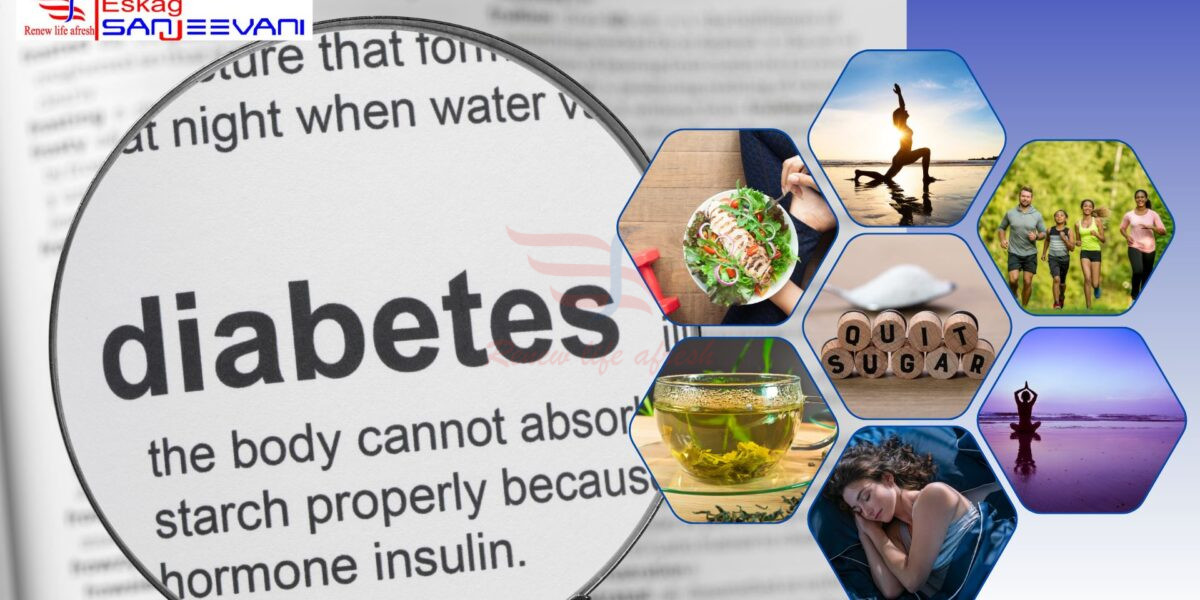
Living with diabetes involves more than keeping an eye on blood sugar. Food choices, physical activity, medicines, sleep, stress, smoking, and regular medical follow-up can all affect long-term health. But diabetes management looks different for everyone. The right glucose targets, medication plan, diet, exercise routine, and monitoring depend on factors such as diabetes type, age, other health conditions, and treatment. If you are newly diagnosed, it can be difficult to know where to start. These 10 practical tips can help you build healthier routines while working with your healthcare team.
Highlights
- Diabetes management combines lifestyle measures, prescribed medicines, and regular medical care.
- Blood-glucose targets are individualised rather than one universal “normal range.”
- Not everyone with diabetes needs to check glucose every day. Monitoring depends on the type of diabetes and treatment plan.
- 1. Understand Your Type of Diabetes
- 2. Build a Balanced Eating Pattern
- 3. Pay Attention to Carbohydrate Intake
- 4. Stay Physically Active
- 5. Work Towards a Healthy Weight If Appropriate
- 6. Monitor Blood Glucose According to Your Treatment Plan
- 7. Learn to Recognise High and Low Blood Glucose
- 8. Manage Stress and Protect Your Sleep
- 9. Avoid Tobacco and Be Careful With Alcohol
- 10. Stay Connected With Your Healthcare Team
- A Simple Daily Diabetes Checklist
- What Is the “Normal” Blood Sugar Range in Diabetes?
1. Understand Your Type of Diabetes
Diabetes is a group of conditions in which blood glucose becomes elevated because the body does not produce enough insulin, does not use insulin effectively, or both. Here are the common types of diabetes, listed below:
- Type 1 diabetes: The immune system attacks the pancreas’s insulin-producing cells. People with type 1 diabetes require insulin treatment.
- Type 2 diabetes: The body becomes less responsive to insulin and, over time, may not produce enough insulin to maintain normal glucose levels. Genetics, body composition, lifestyle, and other factors can contribute.
- Gestational diabetes: Diabetes diagnosed during pregnancy requires appropriate monitoring and management. It can also be associated with an increased future risk of type 2 diabetes.
2. Build a Balanced Eating Pattern
No single “diabetic diet” works for everyone. A balanced eating pattern can have the following food items:
- Vegetables and leafy greens
- Pulses and legumes
- Whole grains
- Nuts and seeds
- Eggs, fish, dairy, or other suitable protein sources
- Whole fruits in appropriate portions
Do not completely avoid carbohydrates, but focus on the type, amount, and distribution of carbohydrate-containing foods within your overall eating pattern. Portion size, meal composition, medication, activity, and individual glucose response can all affect blood glucose after eating.
A practical Indian meal can be a combination of the following:
- Half a plate of non-starchy vegetables
- A quarter (¼) plate of protein-rich foods
- A quarter (¼) plate of whole grains or other carbohydrate-containing foods
You may need to adjust portions based on your nutritional needs and treatment plan.
3. Pay Attention to Carbohydrate Intake
Carbohydrates strongly affect blood glucose, but that does not mean you need to eliminate them.
A few carbohydrate-containing foods are listed below:
- Rice
- Roti
- Bread
- Potatoes
- Pulses
- Milk and yoghurt
- Fruits
- Sweets and sugary drinks
Choosing higher-fibre carbohydrate sources and watching portions may help manage glucose. If you use insulin or certain diabetes medicines, you may also need to coordinate carbohydrate intake with medication and meal timing. A registered dietitian or diabetologist can help develop an eating plan that fits your routine and treatment.
4. Stay Physically Active
Regular physical activity can improve insulin sensitivity, cardiovascular fitness, strength, and overall well-being. It can also help manage blood glucose.
You can do the following activities:
- Walking
- Cycling
- Swimming
- Strength exercises
- Yoga
- Other activities that you enjoy and can maintain
However, exercise is not a universal treatment for an immediately high blood-glucose reading. If your glucose is very high, you are unwell, or you use insulin and have concerns about glucose or ketone levels, ask your healthcare team whether exercise is appropriate. People new to exercise, or those with heart or kidney disease, neuropathy, vision problems, or other complications, may also need an individually assessed activity plan.
5. Work Towards a Healthy Weight If Appropriate
For people with overweight or obesity and type 2 diabetes, weight management can improve insulin sensitivity and several metabolic risk factors. But weight management should be individualised.
A healthy approach focuses on the following parameters:
- Balanced meals
- Appropriate portions
- Regular activity
- Adequate sleep
- Sustainable changes rather than crash diets
You do not need to follow an extreme diet to manage diabetes.
If you take glucose-lowering medicines, significant changes in food intake or body weight may affect your glucose levels and medication needs. Discuss major changes with your healthcare professional.
6. Monitor Blood Glucose According to Your Treatment Plan
Blood-glucose monitoring can provide useful information about how your body responds to food, activity, illness, stress, and medicines. But daily testing is not necessary for every person with diabetes.
Monitoring frequency depends on the factors listed below:
- Type of diabetes
- Insulin use
- Other glucose-lowering medicines
- Pregnancy
- Recent glucose control
- Risk of hypoglycaemia
- Use of a continuous glucose monitor
- Your healthcare professional’s recommendations
Some people use a glucometer, while others may use continuous glucose monitoring. Your healthcare team can explain when to test, how often to test, and what the results mean for you.
7. Learn to Recognise High and Low Blood Glucose
Knowing common symptoms can help you respond appropriately.
Possible symptoms of high blood glucose include:
- Increased thirst
- Frequent urination
- Fatigue
- Blurred vision
Some people may have few or no noticeable symptoms despite elevated glucose.
The below-mentioned pointers include the possible symptoms of low blood glucose:
- Shaking
- Sweating
- Hunger
- Dizziness
- Irritability
- Confusion
If you use insulin or medicines that can cause hypoglycaemia, ask your healthcare team how to recognise and manage low glucose. Severe confusion, loss of consciousness, difficulty breathing, vomiting, or other serious symptoms require urgent medical attention.
8. Manage Stress and Protect Your Sleep
Stress and inadequate sleep can affect eating patterns, activity, wellbeing, and blood-glucose management.
Useful habits include the following:
- Maintaining a reasonably consistent sleep schedule
- Creating a relaxing bedtime routine
- Limiting excessive screen use before sleep
- Taking regular breaks during stressful days
- Practising relaxation techniques
- Staying physically active when appropriate
Meditation, breathing exercises, walking, or yoga may help some people manage stress and wellbeing. View them as supportive habits rather than treatments that directly correct diabetes.
9. Avoid Tobacco and Be Careful With Alcohol
Smoking increases cardiovascular and other health risks. Hence, stopping tobacco use is an important part of diabetes care. If you smoke, ask your healthcare professional about evidence-based ways to quit. Alcohol can affect blood glucose and may increase the risk of hypoglycaemia in people taking insulin or certain diabetes medicines. It can also contribute significant calories. If you drink alcohol, discuss what is appropriate for you with your healthcare team, especially if you use glucose-lowering medicines or have liver, kidney, or other health problems.
10. Stay Connected With Your Healthcare Team
Diabetes management often changes over time.
Regular medical care may include assessment of the following factors:
- Blood glucose and HbA1c
- Blood pressure
- Cholesterol and cardiovascular risk
- Kidney health
- Eye health
- Foot health
- Diabetes medicines
- Lifestyle and nutrition
- Other medical conditions
Do not change, stop, or increase diabetes medicines simply because a glucose reading is higher or lower than expected.
A Simple Daily Diabetes Checklist
Here is a simple checklist you can follow to manage diabetes.
| Area | A Practical Question |
| Food | Did I follow a balanced eating pattern that suits my treatment plan? |
| Activity | Did I include appropriate physical activity today? |
| Medicines | Did I take my prescribed medicines as directed? |
| Glucose | Did I monitor my glucose as directed in my care plan? |
| Sleep | Did I get enough rest? |
| Stress | Did I make time for a healthy way to manage stress? |
| Tobacco | Did I avoid smoking and second-hand smoke? |
| Follow-up | Am I keeping up with the medical reviews recommended for me? |
What Is the “Normal” Blood Sugar Range in Diabetes?
No single glucose range should be labelled the “diabetes normal range” for every patient. In one study, a random blood sugar (RBS) level between 79 and 140 mg/dL was considered normal [1]. In the same study, an RBS of 140-200 mg/dl was considered prediabetic, and RBS over 200 mg/dl was considered diabetic. The appropriate goal depends on factors such as age, duration of diabetes, hypoglycaemic risk, other health conditions, and personal circumstances. HbA1c is also commonly used to assess longer-term glucose control. Your doctor should determine the targets that apply to you rather than relying on a universal number.
Final Thoughts
Managing diabetes is not about following one perfect diet, checking your glucose constantly, or trying to keep every reading within a single “normal range.” It is about building a suitable, individualised care plan. Balanced nutrition, appropriate physical activity, taking prescribed medicines, and regular medical follow-up can all contribute to better diabetes management. The most important step is to understand what applies to your type of diabetes and treatment plan. Eskag Sanjeevani Hospitals provides medical care for people with diabetes and related health concerns. Our healthcare team sets appropriate glucose targets, decides how often you need monitoring, and makes lifestyle changes that you can maintain over time.

Expert medical content writer with a 3-year background in healthcare communications. Specializing in turning complex evidence into credible health content.

Expertise in clinical assessment, accurate diagnosis, and patient-centred treatment based on established medical guidelines.
References
- Thomas T, Prabhata S, Valsangkar S. Diabetes screening and the distribution of blood glucose levels in rural areas of North India. J Family Community Med. 2015 Sep-Dec;22(3):140-4. doi: 10.4103/2230-8229.163026.