

 Medically Reviewed
Do’s and Don’ts: Chickenpox Care
Chickenpox is a contagious viral infection caused by the varicella-zoster virus (VZV). It commonly causes an itchy rash that develops into fluid-filled blisters and then scabs. Most healthy children recover without serious problems, but infants, adolescents, adults, pregnant women and people with weakened immune systems have a higher risk of complications. For parents, the combination of fever, itching and blisters can be difficult to manage. Knowing what to do at home, which medicines to avoid and when to seek medical advice can make recovery safer and more comfortable.
This guide explains practical chickenpox care based on established medical guidance.
Key Takeaways
- Chickenpox is highly contagious. Keep the affected person away from people who are not immune until the lesions have dried over.
- Cool baths, oatmeal baths and calamine lotion may help relieve itching. Keeping fingernails short can also reduce scratching and the risk of skin infection.
- Infants, adults, pregnant women and people with weakened immune systems should have a lower threshold for contacting a healthcare professional.
- Seek medical care promptly for breathing difficulty, confusion, severe weakness, dehydration, persistent high fever or signs of bacterial infection.
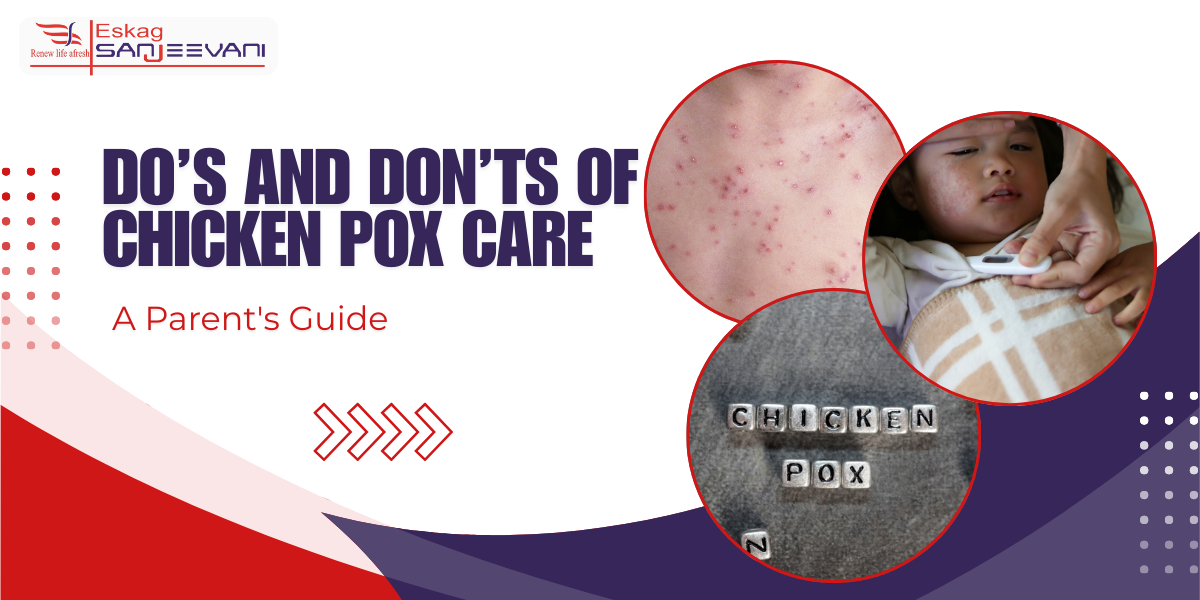
What is Chickenpox and Its Causes
Chickenpox is caused by the varicella-zoster virus. It is highly contagious and spreads mainly through close contact with an infected person and through respiratory particles. Direct contact with fluid from chickenpox blisters can also spread the virus. The rash usually starts on the chest, back or face before spreading to other parts of the body. The spots can develop rapidly from small red areas into itchy, fluid-filled blisters and then scabs. In uncomplicated cases, symptoms usually last around 4 to 7 days, although the skin may take longer to fully heal.
A person can spread chickenpox before all the blisters appear. They remain contagious until the lesions have dried and hardened.
The Chickenpox Care Plan: What to Do
When the diagnosis is confirmed, your home becomes a mini-hospital. Here is a step-by-step chicken pox care plan to ensure comfort and speed up healing.
1. Keep the Person At Home
Avoid school, childcare, social gatherings and close contact with people who may not be immune. Continue isolation until the chickenpox lesions have dried and crusted over. This generally happens several days after the rash begins. Extra care is important around the following group of people:
- Newborns and infants
- Pregnant women who are not immune
- People with weakened immune systems
- Adults who have never had chickenpox or been vaccinated
2. Use Cool Baths to Relieve Itching
You don’t need to avoid bathing during chickenpox. A cool or lukewarm bath may help soothe irritated skin. Options that may provide relief include the following:
- Plain cool or lukewarm baths
- Oatmeal or colloidal oatmeal baths
- Calamine lotion for itchy areas
- Pat the skin dry gently rather than rubbing it.
These measures are intended to relieve itching and discomfort. They do not treat the chickenpox virus itself. Avoid relying on unproven herbal or traditional preparations. There is not enough clinical evidence to recommend neem baths or neem preparations as a standard chickenpox treatment.
3. Keep the Person Hydrated
Fever and reduced fluid intake can contribute to dehydration. Mouth sores can also make drinking uncomfortable. Offer fluids regularly and encourage small, frequent amounts if drinking large quantities is difficult. If the person has painful mouth lesions, softer foods and non-irritating fluids may be easier to tolerate.
Watch for signs of dehydration such as:
- Reduced urination
- Dry mouth
- Excessive thirst
- Unusual tiredness
- Few or no tears when crying in young children
Seek medical advice if adequate fluid intake becomes difficult.
4. Keep Fingernails Short
Chickenpox can cause intense itching, particularly while the blisters are developing.
To reduce scratching:
- Keep fingernails short and clean.
- File sharp edges.
- Encourage children not to scratch the blisters.
- Consider cotton mittens for young children who scratch during sleep.
Scratching can damage the skin and increase the risk of bacterial infection and scarring.
If a blister is accidentally scratched, wash the affected area gently and wash your hands with soap and water.
5. Choose Comfortable Clothing
Loose, breathable clothing can make irritated skin more comfortable. Avoid clothing that is excessively tight or likely to rub against the lesions. Change clothing and bedding when they become sweaty or uncomfortable. You don’t need to change bedsheets every day specifically to prevent chickenpox transmission. Instead, focus on keeping the environment clean and comfortable, and avoid direct contact with the lesions.
The Critical Don’ts: Mistakes to Avoid
Managing chicken pox causes stress, and in that stress, parents sometimes make errors. Here are the red lines you should never cross.
1. Don’t Give Self Medication
Do not give medicine to children or teenagers with chickenpox. Aspirin use during chickenpox has been associated with Reye syndrome, a rare but potentially life-threatening condition affecting the liver and brain. For fever or discomfort, a healthcare professional can advise whether an appropriate non-aspirin medicine is suitable.
Any medicine given to a child should be used according to the child’s age, weight, medical history and recommended dose.
2. Don’t Scratch or Break the Blisters
- Do not intentionally pop or remove chickenpox blisters.
- Breaking the skin can increase the risk of bacterial infection and may contribute to scarring.
- Keep the affected areas clean and use appropriate measures to control itching instead.
3. Don’t Self-Medicate with Antibiotics
Chickenpox is caused by a virus, so antibiotics do not treat the underlying infection. Antibiotics may sometimes be required if a bacterial infection develops in the skin or another bacterial complication occurs. Signs can include skin that becomes increasingly red, warm, swollen or tender, or lesions that begin producing pus. Use antibiotics only when prescribed by a healthcare professional.
4. Don’t Rely on Unproven Home Remedies
Many traditional remedies are used for itchy skin, but not all have been adequately studied for chickenpox. Avoid presenting herbal preparations, oils or supplements as proven treatments unless there is appropriate clinical evidence. For example, do not describe neem baths as an established treatment for chickenpox or a proven way to prevent secondary infection. Similarly, standard chickenpox guidance provides no evidence that applying vitamin E oil after scabs fall off prevents or treats chickenpox scars.
Chickenpox Treatment for Babies
Chickenpox can be more serious in infants than in otherwise healthy older children. Infants under 1 year are among the groups at increased risk of complications. If a baby develops a chickenpox-like rash, contact a healthcare professional for advice rather than relying solely on home treatment.
Parents should pay particular attention to the following:
- Fluid intake and signs of dehydration
- Fever and changes in behaviour
- Difficulty feeding
- Increasing redness or swelling around skin lesions
- Breathing difficulties
- Unusual sleepiness or difficulty waking
- Persistent vomiting
Very young infants and babies with other medical conditions may require individual assessment.
Important: A baby under 3 months with chickenpox should not automatically be labelled an emergency solely because of age. However, because very young infants can become seriously ill and the diagnosis may require confirmation, parents should seek prompt medical advice.
Can Chicken Pox Happen Twice?
A second episode of chickenpox is uncommon because infection usually provides long-lasting immunity. However, a second episode can occur, particularly in people with weakened immune systems. It is also important to distinguish chickenpox from shingles.
After a person recovers from chickenpox, the varicella-zoster virus remains dormant in nerve tissue. It can reactivate years later and cause shingles, which usually produces a painful, localised rash rather than the widespread rash associated with chickenpox.
Having chickenpox does not mean that a person will definitely develop shingles.
Chicken Pox Self-Care for Adults
Chickenpox is often mild in healthy children, but adults have a higher risk of complications. Pneumonia is an important complication of chickenpox in adults.
Adults with chickenpox should contact a healthcare professional, particularly if they develop:
- Persistent or severe cough
- Difficulty breathing
- Chest discomfort
- Severe weakness
- Persistent high fever
- Confusion or unusual drowsiness
Some adults and other higher-risk patients may be considered for antiviral treatment. Antiviral medicines work best when started early, so people at increased risk should contact a healthcare professional promptly after symptoms or rash develop.
Complications: When to Seek Medical Care
Most healthy children recover from chickenpox without serious complications. However, seek medical attention if symptoms become severe or the affected person belongs to a higher-risk group.
Contact a healthcare professional if the patient experiences any of the following:
- Fever lasts longer than 4 days.
- Fever rises above the normal level.
- A blister or area of skin becomes increasingly red, warm, swollen or tender.
- Lesions begin producing pus.
- The child is difficult to wake or becomes confused.
- There is difficulty walking.
- A stiff neck develops.
- Frequent vomiting occurs.
- Severe coughing or difficulty breathing occurs.
- There are signs of dehydration.
- The person has a weakened immune system.
- The affected person is an infant, adolescent or adult.
These symptoms can indicate a complication requiring medical assessment.
Final Thoughts
Chickenpox usually gets better with supportive care, but it is important to manage symptoms safely and recognise warning signs. Avoid unproven remedies as substitutes for medical care. Cool baths, oatmeal baths and appropriate anti-itch measures can help relieve discomfort, while keeping nails short can reduce skin damage and the risk of infection. For severe symptoms or signs of a serious complication, seek emergency medical care.
If you need medical evaluation or treatment, Eskag Sanjeevani Hospitals provides paediatric, emergency, and multispecialty healthcare services across its NABH-accredited hospital locations in Kolkata. Patients can consult a healthcare professional for assessment and guidance based on their symptoms and risk factors.

Expert medical content writer with a 3-year background in healthcare communications. Specializing in turning complex evidence into credible health content.

Expertise in clinical assessment, accurate diagnosis, and patient-centred treatment based on established medical guidelines.
According to the standard chicken pox definition, a person is contagious from 1 to 2 days before the rash appears until all the blisters have dried and crusted over. This usually takes about 5 to 7 days after the first spot appears.
Yes, absolutely. Neem has natural antiviral and antibacterial properties. You can boil neem leaves in water, let it cool, and use it for bathing. You can also use a soft neem branch to gently fan the itchy areas, a traditional practice that helps soothe the skin.
The chicken pox care plan regarding diet should focus on hydration and easy digestion. Offer cool, soft foods like yogurt, khichdi, mashed bananas, and clear soups. Avoid spicy, salty, or crunchy foods that can hurt mouth blisters.
Chicken pox treatment for babies focuses on comfort. Keep breastfeeding frequently to prevent dehydration. Use cotton mittens to prevent scratching. Do not give any medication without a pediatrician’s approval. If the baby has a high fever, bring them to Eskag Sanjeevani immediately.
It is very rare. Usually, one infection gives lifelong immunity. However, if the first infection was very mild or happened extremely early in infancy, can chicken pox happen twice? Yes, it is possible but uncommon. The virus can also reactivate later as Shingles.
Most marks fade over 6-12 months. However, deep scars caused by scratching or bacterial infection can be permanent. This is why the chicken pox care plan emphasizes trimming nails and using calamine to reduce itching. Vitamin E oil can be applied after the scabs have fallen off to help healing.
It is generally advised to avoid Ibuprofen during chicken pox as some studies suggest it may increase the risk of severe skin infections. Paracetamol is the safest choice for fever in your chicken pox self-care routine. Always avoid Aspirin.
Yes. Our pediatrics department provides the Varicella vaccine. It is recommended in two doses. If your child has not been vaccinated or had the disease, booking an appointment for vaccination is the best way to prevent the illness and understand chicken pox causes and prevention better.