Best Oncologist in Kolkata at Eskag Sanjeevani Hospital
Why Eskag Sanjeevani is the Best Oncology Hospital in Kolkata
Cancer treatment demands a highly coordinated, multidisciplinary medical strategy. Eskag Sanjeevani offers dedicated oncology support, equipped to handle the most complex malignant conditions. The units integrate advanced cellular therapies with operative interventions, bringing together the medical and surgical sides of cancer care under one roof.
Rather than standardised protocols, the focus remains on maximising tumour eradication while preserving healthy tissue and quality of life. Across all units, the medical staff delivers evidence-based cancer care with precision and genuine compassion for every patient and their family.
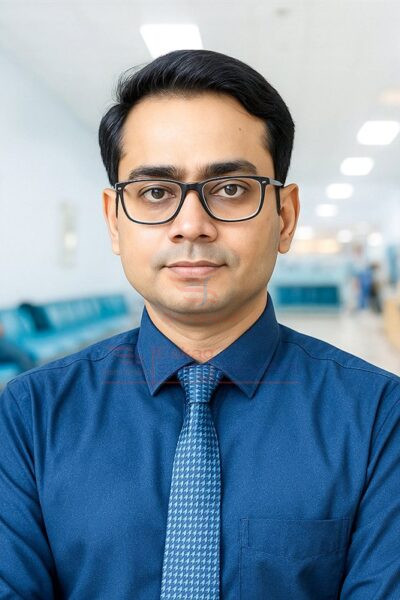
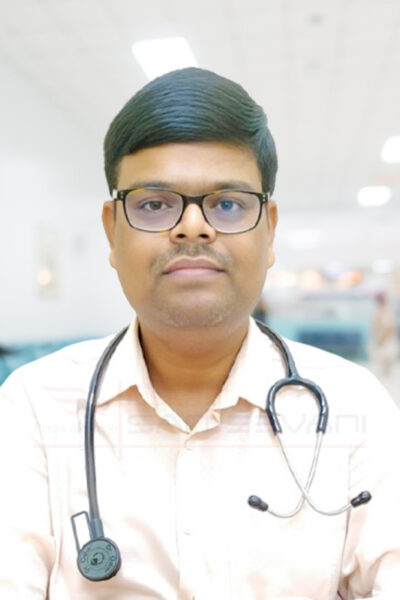
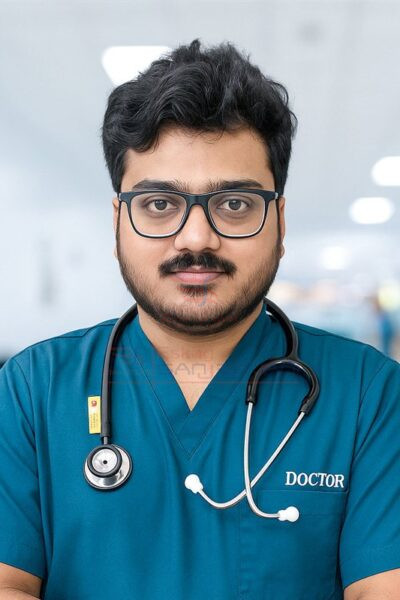
Meet Our Top Oncologists in Kolkata
The oncology department provides expertise for complex malignant diseases. Our doctors execute tumour resections with absolute precision. Every patient receives highly individualised care from our doctors to maximise long-term survival rates.
Specialised Treatments in Medical and Surgical Oncology
Malignant cellular growth requires aggressive, highly specific therapeutic protocols. The oncology department routinely manages complex cancers using a combination of clinical modalities.
Medical Oncology & Chemotherapy: Advanced pharmacological regimens destroy systemic cancer cells. Specialists calculate precise drug combinations to maximise tumour reduction and minimise severe systemic toxicity.
Surgical Tumour Resection: A dedicated surgical oncologist performs exact physical excisions of solid tumours. Minimally invasive techniques remove malignant tissue while sparing adjacent functional organs.
Targeted Therapy: Medicine targets specific genetic mutations in cancer cells. This method disrupts the exact molecular pathways that fuel malignant replication.
Immunotherapy: Biological treatments stimulate the natural human immune system. These therapies train white blood cells to recognise and attack hidden cancer cells effectively.
Palliative Care: Symptom management provides essential relief for patients with advanced-stage disease. Clinical protocols control severe pain and maintain patient dignity.
Advanced Oncology Diagnostics & Services
Cancer treatment relies entirely on exact cellular identification and precise tumour staging. The diagnostic wing utilises high-fidelity scanners and microscopic evaluations.
Image-Guided Biopsies: Radiologists use ultrasound or CT scans to guide the removal of precise tissue samples from suspicious masses.
Histopathology: Laboratory specialists analyse tumour tissues under powerful microscopes. They identify specific cancer cell types and receptor statuses to guide targeted therapies.
Tumour Marker Blood Tests: Detailed serological panels detect specific proteins shed by malignant cells. These markers track disease progression and measure overall treatment success.
When Should a Patient Consult an Oncology Expert?
Early cancer detection drastically increases survival rates. Immediate evaluation prevents localised tumours from spreading to distant organs. Warning signs that mandate an urgent medical consultation include:
Unexplained Weight Drop: Rapid, unintentional weight loss without dietary changes often indicates a hidden metabolic drain from malignant cells.
Persistent Lumps or Masses: Any newly discovered, painless lump in the breast, neck, or groin requires immediate ultrasound and biopsy evaluations.
Chronic Pain or Fatigue: Severe exhaustion that resists rest, or deep, unyielding bone pain, necessitates thorough radiological scans.
Atypical Bleeds: Unexplained blood in the urine, stool, or chronic severe coughs act as critical red flags for internal malignancies.
Specialized Medical Care
Expert Care in Our Oncology Department
Our experienced specialists combine clinical expertise,
advanced diagnostics, and patient-centric care to ensure
accurate treatment and better health outcomes.
A cancer diagnosis changes everything, but where you receive care matters more than most people realise. Early evaluation, accurate staging, and a coordinated treatment plan can significantly alter outcomes. If you have noticed something that does not feel right, do not wait for certainty before seeking an opinion. Our hospitals are available for consultations. Come in and let the team give you a clear picture.
Patient Testimonials
Rajiv Mahato, Kolkata
Severe abdominal pain led to the discovery of a complex colon tumour. The integrated approach at this oncology hospital saved my life. Dr Makhan Lal Saha helped with targeted chemotherapy, which was helpful. The entire hospital staff delivered exceptional post-operative support.
Reshma Banerjee, Kolkata
When I was diagnosed with breast cancer, I did not know where to start. A friend recommended Dr Avik Mondal, and from the first consultation, the Sanjeevani team was helpful. I am now in remission, and I genuinely believe the early, coordinated care made the difference
Subhash Dutta, Kolkata
My father was diagnosed with colon cancer at a fairly advanced stage. We had already visited two hospitals and felt lost. At Eskag Sanjeevani, Dr Makhan Lal Saha reviewed everything from scratch, explained the options honestly, and did not give us false hope or unnecessary fear.
Frequently Asked Questions on: Oncology
What is the difference between medical oncology and surgical oncology?
Medical oncology utilises systemic drugs like chemotherapy and immunotherapy to destroy cancer cells throughout the entire body. A surgical oncologist performs physical and operative procedures to remove solid tumours and surrounding tissues directly.
What is the primary role of an oncology hospital?
An oncology hospital provides a centralised, multidisciplinary environment for cancer care. It houses specialised diagnostic scanners, dedicated chemotherapy suites, and advanced surgical theatres to manage every phase of a malignant disease.
How do doctors determine the exact stage of a cancer?
Oncologists rely on a combination of PET-CT scans, MRI imaging, and surgical biopsies. These tools determine the size of the primary tumour and identify any spread to the lymph nodes or distant organs.
Does chemotherapy always cause severe side effects?
Modern pharmacological advancements have drastically reduced the severity of traditional side effects. Clinical specialists now use highly targeted anti-nausea medications and precise drug calibrations to maintain patient comfort during treatments.