
Colonoscopy in Kolkata at Eskag Sanjeevani Hospitals
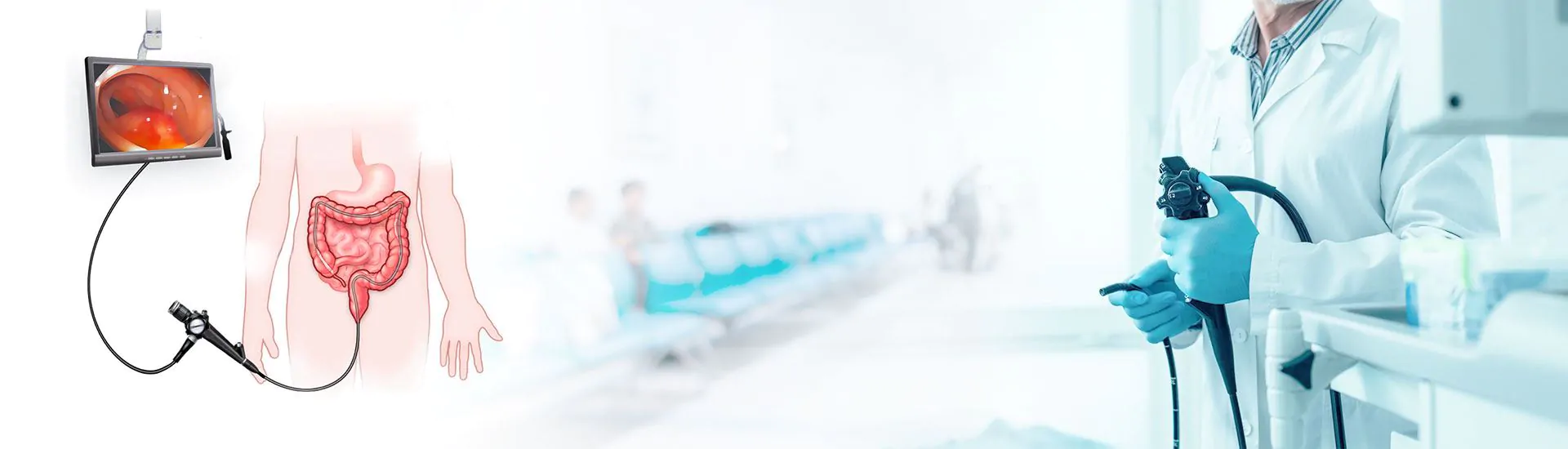
A colonoscopy allows doctors to examine the inner lining of the large intestine to investigate digestive symptoms, detect abnormalities and identify conditions such as polyps or inflammation. The procedure involves inserting a thin, flexible tube with a camera through the rectum to view the colon. Understanding the preparation, procedure, possible findings and cost can help you plan your examination. Eskag Sanjeevani Hospitals helps patients access information about colonoscopy services and the next steps recommended by their treating doctor.
When Might You Need a Colonoscopy?
Your doctor may recommend a colonoscopy to investigate symptoms or monitor certain bowel conditions. These may include:
- Blood in the stool or rectal bleeding.
- Changes in bowel habits, including diarrhoea.
- Unexplained abdominal pain or weight loss.
- Suspected inflammatory bowel disease, such as Crohn’s disease or ulcerative colitis.
- Follow-up of previously detected polyps or other bowel abnormalities.
- Colorectal cancer screening based on your age, risk factors and medical history.
A colonoscopy can help identify abnormalities, but your doctor will determine whether the test is appropriate based on your symptoms and clinical assessment.
What Happens During a Colonoscopy Procedure?
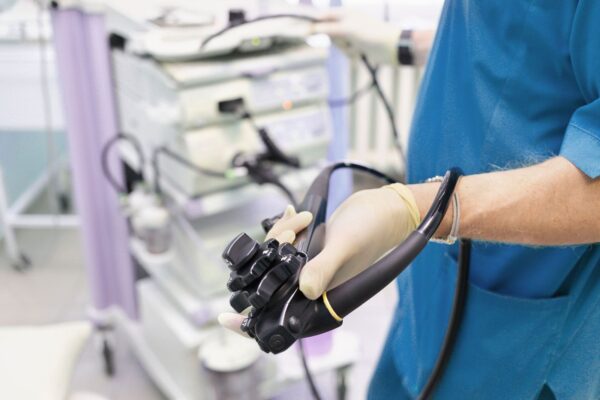
During a colonoscopy, a doctor passes a thin, flexible tube with a small camera through the anus to examine the rectum and colon.
Preparation: You receive instructions to empty your bowel before the examination.
- Before the test: Our medical team reviews your health history, medicines and relevant risks.
- Examination: The doctor guides the colonoscope through the large intestine and examines its lining.
- Biopsy or polyp removal: If needed, the doctor may collect a tissue sample or remove certain polyps for further assessment.
- Recovery: You are monitored after the procedure, especially if sedation is used.
The examination roughly takes around 30-45 minutes, although your total visit may take longer. The duration depends on the findings and whether additional procedures are required.
How to Prepare for a Colonoscopy
Proper bowel preparation helps the doctor clearly examine the intestinal lining. Follow the instructions provided by your treating team.
- Follow the prescribed diet and bowel-cleansing instructions.
- Tell your doctor about your medicines, supplements, allergies and existing medical conditions.
- Ask what to do about blood thinners, diabetes medicines and other regular medication. Do not stop any medicine without medical advice.
- Confirm when you should stop eating and drinking.
- Arrange for someone to accompany you home if sedation is planned.
Is Colonoscopy Painful? Are There Any Risks?
You may experience pressure, bloating or abdominal cramps during or after the procedure. Your treating team may discuss sedation or other comfort measures, depending on your clinical needs and available facilities.
Colonoscopy is generally considered safe, but complications can occur. These include bleeding, a tear in the bowel wall and reactions to sedative medicines. The risks may vary depending on your health and whether a biopsy or polyp removal is performed.
Seek urgent medical attention if you develop severe or worsening abdominal pain, heavy rectal bleeding, fever or other concerning symptoms after the procedure.
Book a Colonoscopy at Eskag Sanjeevani Hospitals
If you need a colonoscopy in Kolkata, contact our team to enquire about appointment availability, preparation instructions and the applicable test price. We can help you understand the booking process and the information you need before your visit.
Explore Our Colonoscopy at Eskag Sanjeevani Hospitals Kolkata
Trusted care and convenient access for all your healthcare needs.
Visit us at: www.eskagsanjeevani.com
Call to learn more about our Colonoscopy
Frequently Asked Questions on: Colonoscopy
Your doctor may recommend a colonoscopy after reviewing your symptoms and medical history. Contact our team to confirm the appointment and referral requirements.
The examination commonly takes around 30-45 minutes. Preparation, recovery and additional procedures can increase the total time required.
A colonoscopy can help identify suspicious abnormalities and polyps. If needed, a biopsy can be sent for laboratory examination to determine whether the tissue is cancerous.
The price depends on the procedure, sedation and any additional interventions or tests. Contact our team for the current charges.
Not everyone needs to consult a colorectal surgeon. A gastroenterologist or another appropriate doctor may recommend the test. A colorectal surgeon may be involved if a surgical condition or further treatment needs assessment.